Conceptual illustration of a home amidst extreme weather icons, representing the impact of climate change on home insurance policies and resilience strategies.

Climate Change Is Transforming Home Insurance – Here’s What Homeowners Need to Know

Climate disasters are reshaping home insurance at an unprecedented rate, forcing homeowners to confront a stark new reality: traditional coverage may no longer be enough. As extreme weather events intensify, insurance companies are dramatically adjusting their policies, rates, and coverage areas, leaving many properties vulnerable to devastating financial losses. The emergence of climate resilience insurance offers a crucial adaptation strategy, but navigating this evolving landscape requires understanding…

A resilient home fortified against natural disasters, featuring protective elements like storm shutters and reinforced roofing, surrounded by representations of hurricanes, wildfires, and floods.

Smart Financing Strategies That Shield Your Real Estate From Natural Disasters

Harness today’s diverse real estate financing landscape by combining traditional mortgages with strategic pre-disaster recovery strategies to maximize property investments. Smart financing structures now demand a multi-layered approach: leverage conventional loans for baseline funding, tap into specialized disaster-resilient property programs offering reduced rates, and secure bridge financing options that provide flexibility during property hardening improvements. Modern real estate success hinges on …

Conceptual illustration showing a streamlined health insurance claims process enhanced by digital technologies, featuring a flowchart with AI, blockchain, and cloud symbols.

How Health Insurance Claims Get Processed (A Real Timeline You Can Trust)

Navigating the maze of health insurance basics starts with understanding claims processing – a critical yet often misunderstood aspect of healthcare management. Every year, millions of claims flow through insurance systems, with processing times varying from a few days to several months depending on complexity and accuracy of submission.
Claims processing directly impacts both your healthcare access and financial well-being. When insurance companies receive claims, they initiate a…

A split-image showing a traditional property assessor with a clipboard next to a futuristic digital assessment interface representing AI-powered property valuation methods.

AI Property Valuation: How Machine Learning is Revolutionizing Insurance Assessments

In today’s dynamic real estate market, accurate property valuation stands as the cornerstone of sound insurance coverage. When insurers assess a property’s worth, they’re not just calculating replacement costs—they’re safeguarding your financial future against potential losses. Recent data shows that up to 64% of American homes are underinsured, largely due to outdated or inaccurate valuations that fail to account for modern construction costs, local market dynamics, and property improvements.
Professional property valuation for insurance purposes goes far beyond basic market appraisals, incorporating detailed analysis of …

A modern commercial building with smart technology integration, showcasing smart glass windows, solar panels, and digital data elements representing AI, blockchain, and IoT.

Smart Buildings Are Transforming Commercial Real Estate (Here’s How)

The commercial real estate landscape is undergoing its most dramatic transformation since the advent of steel-frame construction. From AI-powered property management systems that slash operational costs by 40% to blockchain-enabled smart contracts revolutionizing transactions, technology is redefining what’s possible in commercial properties. Today’s most successful real estate ventures aren’t just about location – they’re about innovation that drives tangible returns.
Property owners who embrace these technological advances are seeing remarkable results: 30% reduction in energy costs through IoT-enabled building systems, …

A calculator with financial documents, property keys, and subtle currency symbols representing smart tax strategies for real estate investors.

Smart Tax Strategies That Save Real Estate Investors Thousands

Strategic tax planning transforms real estate investing from a simple wealth-building tool into a powerful vehicle for financial optimization. Maximize deductions, minimize liabilities, and create sustainable wealth through sophisticated yet accessible tax strategies designed specifically for property investors. From leveraging cost segregation studies to implementing 1031 exchanges, today’s real estate investors have unprecedented opportunities to protect their earnings while building long-term wealth. Understanding these strategies isn’t just about saving money—it’s about creating a robust financial foundation that can weather …

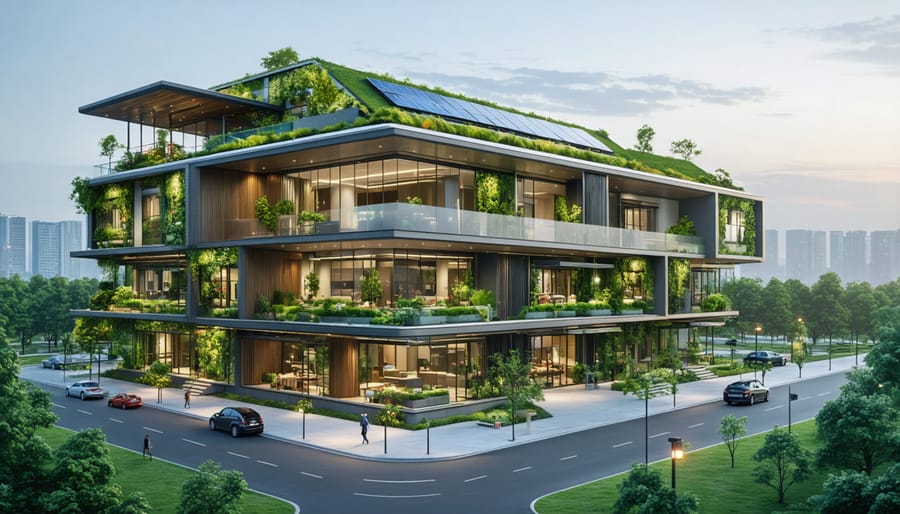
A modern eco-friendly building representing circular economy principles in real estate, showcasing solar panels, reclaimed materials, and innovative waste management systems that highlight sustainability and profitability.

How Circular Economy Insurance Is Transforming Real Estate Risk Management

In a world drowning in waste and environmental challenges, circular economy initiatives are revolutionizing how real estate businesses approach sustainability and profitability. Leading property developers and investors are discovering that circular principles don’t just protect the environment—they create significant competitive advantages and unlock new revenue streams.
From adaptive reuse of materials in construction to innovative waste management systems, the real estate sector is perfectly positioned to capitalize on circular economy opportunities. Property owners implementing these strategies report up to 40% reduction in …

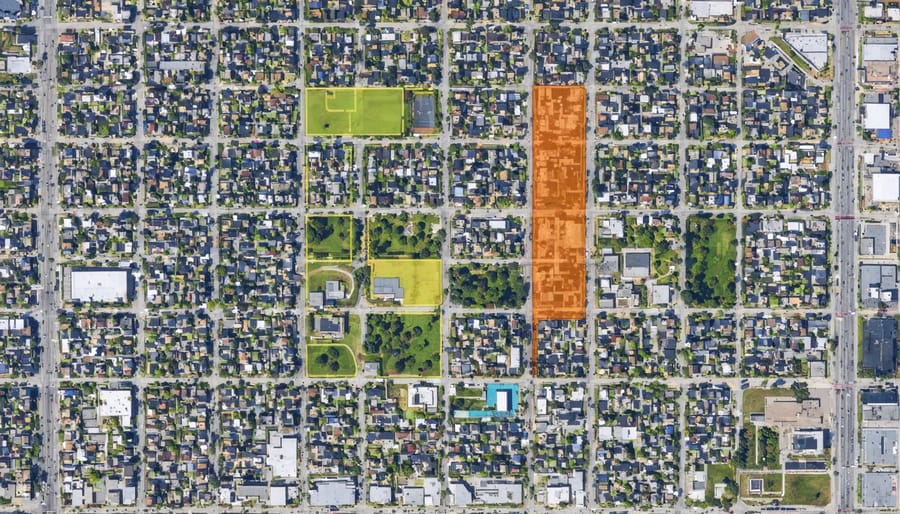
Aerial view of an urban neighborhood with distinct micro-markets, showcasing varied property types and amenities including parks and schools.

Real Estate Micro-Markets: The Secret to Precision Property Valuation

Mastering real estate valuation requires deep analysis of both macro and micro-market dynamics to make smarter property investment decisions. Beyond simple comparables and basic metrics, today’s market demands a sophisticated understanding of hyperlocal trends, demographic shifts, and economic indicators that drive property values.
The intersection of big data analytics and traditional valuation methods has revolutionized how we assess real estate worth. By combining artificial…

Conceptual illustration of a digital globe with interconnected nodes and real estate icons, symbolizing blockchain's decentralized impact on the global real estate market.

Decentralized Real Estate: How Blockchain is Reshaping Property Transactions

The real estate industry stands at the cusp of its biggest transformation since the digital revolution, as blockchain technology reshapes how we buy, sell, and manage property. Decentralized real estate – powered by smart contracts and tokenization – eliminates traditional intermediaries, reduces transaction costs, and enables fractional ownership of premium properties that were once accessible only to elite investors.
Imagine purchasing a beachfront villa by simply transferring digital tokens, or owning a share of a Manhattan skyscraper with the same ease as buying stocks. This isn’t science fiction – it’s happening now. …

Conceptual depiction of various green building financing methods including digital crowdfunding, financial graphs, and eco-friendly buildings with solar panels, interconnected by elements of nature and growth.

Smart Money Moves: How Green Building Loans Are Reshaping Real Estate Finance

Transform traditional real estate financing barriers into strategic opportunities by leveraging innovative funding sources beyond conventional mortgages. Smart investors today combine private lending partnerships, crowdfunding platforms, and eco-friendly home financing options to maximize their property investment potential. Creative financing structures, including seller financing, lease options, and real estate investment trusts (REITs), open doors previously locked by traditional lending restrictions.