
Understand that stormwater management systems directly impact your property’s value, insurance premiums, and long-term maintenance costs. These engineered solutions—ranging from retention ponds and bioswales to permeable pavement and underground detention tanks—control water runoff during heavy rainfall, preventing flooding and environmental damage. For property owners, the financial stakes are substantial: inadequate systems can trigger flood damage averaging $25,000 per incident, while proper infrastructure may reduce insurance costs by 10-30% and increase property values by 5-15% in flood-prone areas.
Evaluate your property’s existing stormwater infrastructure before closing any real estate transaction. Request documentation of system maintenance records, drainage easements, and any municipality compliance requirements. Properties in designated floodplains or areas with poor drainage often carry hidden costs—annual maintenance runs $500-$3,000 for residential systems and significantly more for commercial properties. Meanwhile, newer developments with integrated green infrastructure appeal to environmentally conscious buyers and command premium prices.
Calculate the return on investment for system upgrades by comparing installation costs against potential insurance savings and property value appreciation. Modern permeable systems cost $5-$15 per square foot installed but qualify for tax incentives in many jurisdictions. Factor these infrastructure elements into your due diligence process—they’re not just environmental features but critical financial assets that protect your investment while ensuring regulatory compliance and long-term property resilience.
What Stormwater Management Systems Actually Do (And Why They Matter to Your Bottom Line)
Think of stormwater management systems as your property’s defense network against water damage. These engineered systems capture, redirect, and treat rainwater and melted snow before it can wreak havoc on your investment. Rather than letting water pool around foundations or rush across your land unchecked, these systems work quietly behind the scenes to protect what matters most—your property’s structural integrity and market value.
At their core, stormwater management systems include components like retention ponds, drainage pipes, permeable pavements, rain gardens, and underground storage chambers. Each element serves a specific purpose: some slow water down, others filter out pollutants like oil and sediment, and many store excess water temporarily to prevent overwhelming local drainage systems during heavy rainfall.
Here’s where it gets interesting for your bottom line. Properties with effective stormwater management typically command higher values because they demonstrate lower risk profiles. Insurance companies take notice too—inadequate drainage can lead to denied claims for water damage, while well-maintained systems often qualify properties for better coverage terms. Some insurers even offer premium reductions when proper stormwater infrastructure is in place and documented.
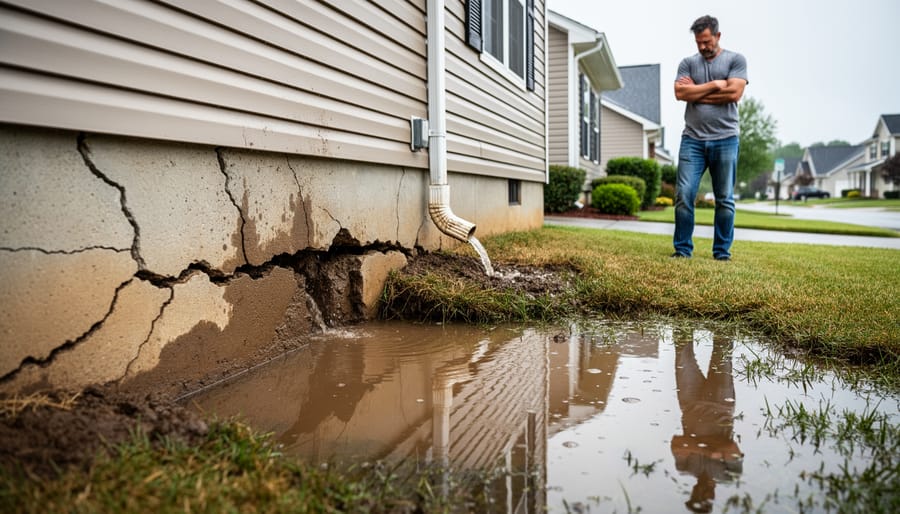
These systems also shield you from costly problems down the road. Without proper stormwater management, you’re looking at potential foundation damage (repairs averaging $4,500 to $12,000), erosion that can literally wash away usable land, and basement flooding that destroys belongings and creates health hazards from mold. Municipal fines for stormwater violations can add thousands more to your expenses.
Beyond protecting your investment, functional stormwater systems help communities meet environmental regulations by preventing pollutants from entering local waterways. This compliance matters increasingly to buyers, particularly as climate patterns shift and severe weather events become more common. Properties that can handle tomorrow’s weather challenges maintain their value better than those stuck with yesterday’s infrastructure.
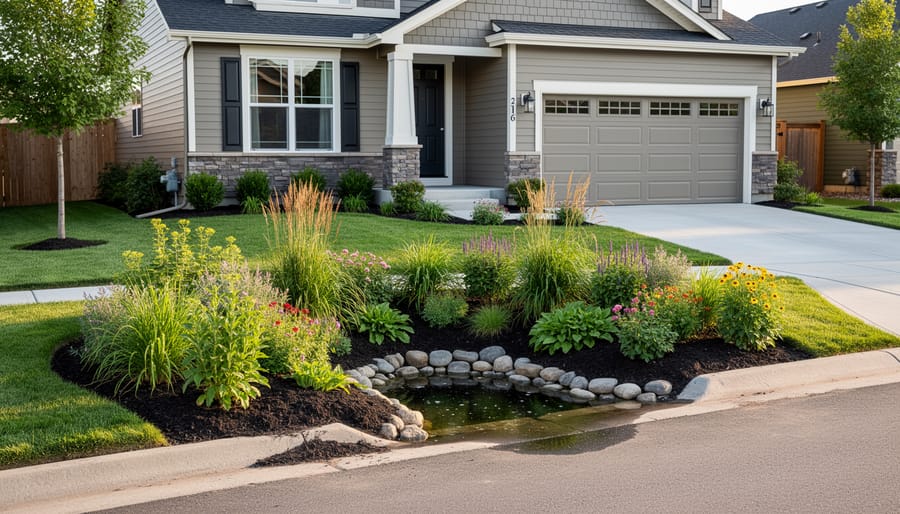
The Real Estate Impact: How Stormwater Systems Affect Property Values
What Buyers and Appraisers Look For
When evaluating properties, buyers and appraisers pay close attention to stormwater management features that demonstrate both functionality and regulatory compliance. Modern, well-maintained systems signal to prospective buyers that a property has been properly cared for and won’t present costly surprises down the road.
Appraisers specifically look for visible drainage infrastructure such as French drains, permeable paving, bioswales, and properly graded landscapes that direct water away from foundations. These features join other property value improvements that enhance marketability and can positively influence final appraisal figures. Documentation is equally critical. Properties with permits, inspection reports, and maintenance records for stormwater systems demonstrate compliance with local regulations and reduce liability concerns for both buyers and their lenders.
Contemporary buyers increasingly value eco-friendly features like rain gardens and retention ponds, which manage runoff while adding aesthetic appeal. These sustainable solutions can differentiate your property in competitive markets. Smart buyers also request documentation showing the system meets current municipal stormwater ordinances, as non-compliance can lead to fines or mandatory upgrades that affect financing approval.
For insurance purposes, effective stormwater management directly impacts flood risk assessments and premium calculations. Properties with comprehensive drainage solutions and documented flood mitigation measures often qualify for better insurance rates, making them more attractive investments. When selling or refinancing, having professional assessments and warranties for your stormwater infrastructure provides valuable assurance that protects transaction timelines and property values.
The Hidden Costs of Inadequate Systems
Poor stormwater management isn’t just an inconvenience—it’s a financial liability that can drain thousands from your property investment. Understanding these hidden costs helps property owners and buyers make informed decisions about system upgrades and maintenance priorities.
Foundation damage ranks as the most expensive consequence of inadequate stormwater systems. When water pools around your property’s perimeter, it gradually compromises structural integrity. Repair costs typically range from $2,000 for minor crack sealing to over $40,000 for extensive foundation reconstruction. Real estate professionals report that visible foundation issues can reduce property values by 10-15% and trigger buyer concerns that derail transactions entirely.
Landscape erosion represents another significant expense. Without proper drainage, soil gradually washes away, undermining driveways, patios, and retaining walls. Restoration projects often exceed $5,000-$15,000, depending on affected areas. More concerning for sellers, eroded landscapes create immediate negative impressions during property showings, potentially reducing offers by 3-5% below market value.
Failed property inspections create domino effects throughout real estate transactions. Inspectors flagging inadequate stormwater management typically recommend system upgrades costing $3,000-$12,000. Buyers frequently negotiate these amounts off purchase prices or request repairs as closing conditions, delaying transactions and increasing holding costs for sellers.
Property insurance implications compound these challenges. Insurers increasingly scrutinize stormwater management in flood-prone areas, and inadequate systems can trigger premium increases of 15-25% or coverage limitations. Some carriers now require system certifications before issuing policies, making preventive maintenance strategies essential for protecting both property values and insurability. The total financial impact of neglecting stormwater systems often reaches $25,000-$75,000 when combining immediate repairs, reduced sale prices, and increased insurance costs—making proper management a crucial investment protection strategy.
Types of Stormwater Management Systems Every Property Owner Should Know
Traditional Systems: Gutters, Drains, and Detention Basins
Traditional stormwater systems have been the backbone of water management for decades, and understanding them is crucial when evaluating property investments. Gutters and downspouts typically cost between $3 to $30 per linear foot installed, depending on materials—aluminum being the budget-friendly option while copper commands premium prices. These systems channel water away from foundations, protecting your property’s structural integrity and potentially saving thousands in future repairs.
Underground drainage systems, including French drains and catch basins, run $50 to $150 per linear foot installed. While the upfront cost seems steep, they’re often required by local codes and directly impact property insurability. Many insurance carriers offer lower premiums for homes with proper drainage documentation.
Detention and retention basins represent the heavy-duty option, costing $5,000 to $50,000 depending on size and engineering requirements. These are particularly relevant for commercial properties or large residential developments. Maintenance runs approximately 3-5% of installation costs annually—budget for sediment removal, vegetation management, and structural inspections. From a financing perspective, lenders increasingly scrutinize stormwater compliance during underwriting, making properly maintained traditional systems a non-negotiable component of property value.
Green Infrastructure Solutions
Green infrastructure solutions represent a paradigm shift in stormwater management, offering property owners innovative ways to handle runoff while potentially boosting property values. These nature-based systems work with the environment rather than against it, creating functional landscapes that double as water management tools.
Rain gardens are shallow, planted depressions that capture and filter stormwater runoff from roofs, driveways, and lawns. They typically cost between $3-$5 per square foot to install and can reduce runoff by up to 30%, potentially lowering municipal stormwater fees in participating jurisdictions. Property owners often see immediate aesthetic benefits alongside long-term savings on water bills and reduced erosion repair costs.
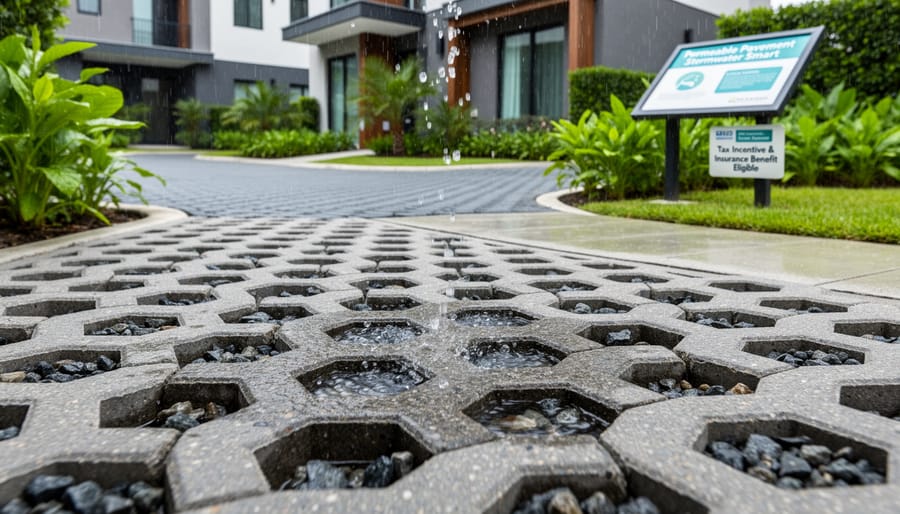
Permeable pavement allows water to seep through surfaces into the ground below, reducing runoff by 80% or more. While initial installation costs run 10-20% higher than traditional pavement, many municipalities offer tax credits or rebates that can offset 25-50% of expenses. These systems typically last 20-25 years with proper maintenance, making them competitive with conventional options over their lifetime.
Bioswales, vegetated channels that slow and filter water, cost roughly $15-25 per linear foot and can handle significant water volumes. Green roofs, though more expensive at $15-25 per square foot, provide insulation benefits that reduce energy costs by up to 30% annually.
Federal and provincial tax incentives increasingly favor these installations as part of broader eco-friendly property maintenance strategies. Many jurisdictions now offer accelerated depreciation schedules, stormwater fee reductions, and density bonuses for commercial properties. Insurance providers are also beginning to recognize these systems, with some offering premium reductions for properties demonstrating proactive flood mitigation measures.
Which System Makes Sense for Your Property Type
Choosing the right stormwater management system depends heavily on your property type and financial situation. For single-family residential properties, simpler solutions like rain gardens, permeable driveways, and rain barrels typically range from $500 to $5,000 and often qualify for municipal rebates. These systems add curb appeal while meeting compliance requirements, potentially increasing property value by 3-7%.
Commercial properties face stricter regulations and benefit from larger-scale solutions like bioswales, detention ponds, or underground storage systems. Budget expectations run $15,000 to $100,000+, but these investments protect against costly fines and demonstrate environmental responsibility to tenants and customers. Many municipalities offer property tax incentives or stormwater fee reductions for compliant commercial properties.
Multi-family developments require comprehensive approaches, often combining green roofs, permeable parking areas, and retention systems. Initial costs of $50,000 to $250,000+ can seem daunting, but they spread across multiple units and frequently unlock financing opportunities through green building certifications. These systems reduce long-term maintenance costs and insurance premiums while meeting increasingly stringent development codes.
Consider working with a stormwater engineer who can assess your specific site conditions, local requirements, and budget constraints to recommend the most cost-effective solution that protects your investment.
Insurance and Liability: Protecting Your Investment
What Your Property Insurance Actually Covers
Here’s the reality many property owners discover too late: your standard homeowners insurance policy likely doesn’t cover what you think it does when it comes to stormwater issues. Understanding these coverage gaps is essential for protecting your real estate investment.
Most homeowners policies cover sudden and accidental water damage, such as a burst pipe inside your home. However, they typically exclude damage from water that enters from outside the property, including surface water and overland flooding. This means if a failed or overwhelmed stormwater management system causes water to back up into your home, you may find yourself without coverage.
The distinction matters significantly. Water damage from a malfunctioning sump pump might be covered, but damage from stormwater runoff flooding your basement generally isn’t. Similarly, if your property’s retention pond overflows during a storm, the resulting damage usually falls outside standard policy protection.
This is where flood insurance becomes critical. Offered through the National Flood Insurance Program or private insurers, flood policies specifically cover rising water and surface runoff. If your property relies on stormwater management systems or sits in an area with drainage concerns, flood insurance isn’t optional—it’s a financial necessity.
Some policies offer optional endorsements for water backup coverage, which can help with certain stormwater-related issues. Before purchasing property with stormwater systems, review your insurance options carefully and consider the additional premium costs as part of your overall investment analysis. The few hundred dollars annually for proper coverage beats facing tens of thousands in uninsured repairs.
Reducing Premiums Through Proper Stormwater Management
Property insurers increasingly reward homeowners who demonstrate proactive stormwater management practices. By maintaining detailed records of system inspections, cleanings, and upgrades, property owners can often negotiate reduced premiums or enhanced coverage options. Insurance companies recognize that well-maintained stormwater systems significantly reduce the risk of water damage claims, foundation issues, and liability concerns related to runoff affecting neighboring properties.
Documentation is key to unlocking these savings. Regularly photographing your system components, keeping receipts for professional services, and using maintenance tracking software creates a comprehensive maintenance history that insurers value. Some carriers offer premium discounts ranging from 5-15% for properties with documented stormwater management programs.
System upgrades can provide even greater benefits. Installing modern features like rain gardens, permeable pavement, or enhanced detention basins may qualify your property for specialty green building insurance policies with better rates. Additionally, municipalities in flood-prone areas sometimes offer tax credits or reduced stormwater utility fees for properties with certified management systems, creating a dual benefit that impacts both insurance costs and overall property expenses. When shopping for coverage, always highlight your stormwater management investments to maximize potential savings.
Financing Stormwater System Improvements
Home Equity and Property Improvement Loans
If your property requires significant stormwater improvements—whether mandated by local regulations or to prevent flooding issues—tapping into your home equity might be a smart financing strategy. Home equity loans and home equity lines of credit (HELOCs) typically offer lower interest rates than personal loans or credit cards, making them attractive options for substantial stormwater projects.
Home equity loans provide a lump sum with fixed interest rates, usually ranging from 6% to 9%, with repayment terms extending 5 to 30 years. HELOCs function more like credit cards, allowing you to draw funds as needed during your project, which works well if you’re phasing improvements over time. Most lenders allow you to borrow up to 85% of your home’s equity.
This financing route makes particular sense when stormwater improvements directly increase property value or prevent costly damage. Installing a comprehensive drainage system, rain gardens, or permeable driveways can boost your home’s marketability while solving practical problems. Additionally, the interest on home equity loans may be tax-deductible if the improvements qualify as substantial home renovations—consult your tax advisor to confirm.
However, remember you’re using your home as collateral. This strategy works best when you’re confident the investment protects or enhances your property’s long-term value, not just meeting minimum compliance requirements.
Grants, Rebates, and Tax Credits You Might Qualify For
Installing a stormwater management system can be expensive, but various financial incentives can significantly reduce your out-of-pocket costs. Many municipalities offer rebate programs for property owners who implement green infrastructure solutions like rain gardens, permeable pavement, or bioswales. These rebates typically cover 25-75% of installation costs, depending on your location and project scope.
At the federal level, certain stormwater management improvements may qualify for the Energy Efficient Home Improvement Credit, particularly if they’re integrated with other sustainable features. Additionally, some states provide tax credits or deductions for water conservation infrastructure that reduces runoff and protects local watersheds.
Your local stormwater utility district might also offer credits on your monthly stormwater fees if your system reduces the burden on public infrastructure. These credits can generate ongoing savings that improve your property’s long-term financial performance. Before starting your project, contact your city’s environmental or public works department to identify available programs. Many utilities maintain online databases of eligible improvements and application processes. Keep detailed records of all expenses and certifications, as you’ll need documentation for both rebate applications and potential tax benefits. Working with contractors experienced in incentive programs can streamline the approval process and maximize your financial returns.
Compliance and Legal Considerations
Understanding your legal obligations around stormwater management isn’t just about avoiding fines—it’s about protecting your property investment and ensuring smooth real estate transactions. Most jurisdictions require property owners to comply with local stormwater ordinances, which can include maintaining existing systems, implementing new solutions during renovations, or adhering to specific discharge limits.
The permitting process typically involves submitting site plans to your municipality before installing or significantly modifying stormwater infrastructure. These permits ensure your system meets environmental standards and integrates properly with municipal drainage networks. Costs for permits generally range from $500 to $5,000, depending on project scope and location. Failure to obtain proper permits can result in stop-work orders, fines averaging $1,000 to $10,000, and complications during property sales.
For real estate transactions, disclosure requirements are increasingly stringent. Many states now mandate sellers to inform buyers about existing stormwater management systems, any associated maintenance agreements, and known deficiencies. These disclosures must appear in property inspection reports and seller disclosure statements. Undisclosed stormwater issues can lead to post-sale litigation, with buyers potentially recovering remediation costs plus damages.
Property owners should also understand homeowner association covenants and deed restrictions that may impose additional stormwater management obligations beyond municipal requirements. These private agreements often require specific maintenance schedules or prohibit certain modifications.
Smart buyers review stormwater compliance records during due diligence, just as they examine property safety standards. Working with real estate attorneys familiar with environmental regulations protects your interests and ensures compliance documents transfer properly at closing. Remember, non-compliance issues discovered after purchase become your financial responsibility, making thorough pre-purchase investigation essential for protecting your investment.
Protecting your property investment starts with understanding how stormwater management systems directly impact your bottom line. As we’ve explored, these systems aren’t just regulatory checkboxes—they’re critical infrastructure that influences insurance premiums, property valuations, and long-term maintenance costs. Properties with outdated or inadequate stormwater solutions face higher flood risk, potential liability issues, and diminished market appeal.
For property owners and real estate professionals, the path forward is clear: conduct a comprehensive assessment of existing stormwater infrastructure on your properties. Schedule inspections with qualified engineers, review your insurance policies to ensure adequate coverage for water-related damages, and budget for necessary upgrades before they become emergency expenses. When evaluating potential acquisitions, factor stormwater system quality into your due diligence process alongside traditional considerations like roof condition and HVAC systems.
The intersection of proper stormwater management, insurance protection, and property value creates a compelling case for proactive investment. Properties equipped with modern, compliant systems command premium pricing, attract quality tenants, and provide peace of mind that extends well beyond the next rainstorm. By prioritizing these systems today, you’re not just managing water—you’re safeguarding your financial future and building resilience into your real estate portfolio.