
Finding the right home insurance broker in Calgary takes three essential steps: verify their Alberta insurance license, confirm they represent multiple insurers (not just one), and ask specific questions about replacement cost coverage for your property’s unique risks. A qualified broker saves you money and protects your investment by comparing policies across carriers, something captive agents and direct insurers can’t offer.
Calgary’s real estate market in 2026 presents distinct challenges. Hailstorms cause millions in property damage annually, and the city’s mix of older character homes and new developments requires different coverage approaches. Your broker needs expertise in Alberta’s regulatory environment and access to insurers who understand local risks like sewer backup, wildfire proximity in communities near the foothills, and the freeze-thaw cycles that plague foundations and roofing.
The stakes are high. Underinsured homeowners discover coverage gaps only after disaster strikes, often learning too late that their policy’s dwelling limit falls short of actual rebuilding costs or excludes flood damage from overland water. Calgary buyers closing on properties worth $600,000 to $2 million can’t afford to guess at coverage adequacy or trust boilerplate policies that ignore regional hazards.
This guide walks you through the selection process with a clear framework. You’ll learn what separates brokers from agents and direct writers, which questions expose weak coverage or inflated premiums, and how to recognize red flags that signal an inexperienced or unethical broker. By understanding key factors like licensing requirements, carrier access, and local market knowledge, you’ll make an informed choice that protects your largest asset without overpaying for unnecessary riders.

Key Factors When Choosing a Home Insurance Broker in Calgary
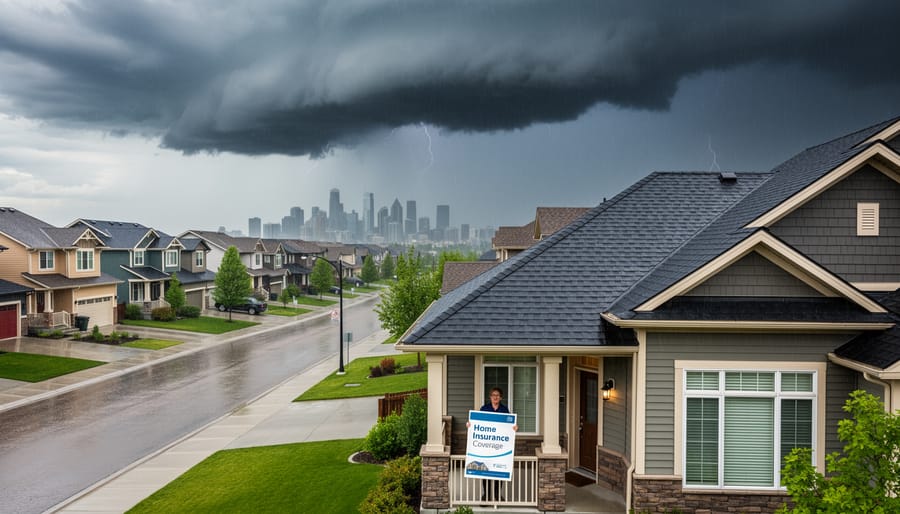
Licensing and Regulatory Compliance
In Alberta, providing insurance services is a regulated occupation, which means your broker must hold a valid license from the Alberta Insurance Council (AIC) before they can legally sell or advise on home insurance. This isn’t optional, individuals and businesses need AIC authorization to operate.
Before you commit to working with any broker, verify their credentials directly through AIC’s online registry. Look for active status and any disciplinary history. The AIC licensing requirements ensure brokers have completed mandatory education and maintain ongoing professional standards, so checking this protects you from working with unlicensed operators who lack accountability.
Don’t skip this step. A licensed broker carries errors and omissions insurance and operates under regulatory oversight, which matters significantly if a coverage dispute arises after you’ve purchased your Calgary home. Ask to see their license number and verify it yourself, legitimate brokers expect this and won’t hesitate to provide it. If someone deflects or makes excuses, walk away.
Local Market Knowledge and Experience
Calgary isn’t just another Canadian city when it comes to home insurance risk. A broker who treats it like one could leave you dangerously underinsured.
The city faces unique weather hazards that directly impact coverage needs and premiums. Hailstorms rank as the most financially significant threat. A single 2020 event generated Calgary hailstorm insured losses approaching $2.8 billion, making it Canada’s fourth-costliest natural disaster. A broker without Calgary experience may not adequately price hail risk into your policy or recommend appropriate impact-resistant roofing discounts.
Flooding presents another localized concern. The 2013 southern Alberta floods fundamentally changed how insurers assess water damage risk across the city. Brokers familiar with Calgary understand which neighborhoods sit in higher-risk zones and which properties might struggle to secure overland flood coverage at reasonable rates.
Property values vary dramatically between communities. A broker serving Beltline condos needs different insurer relationships than one specializing in Mahogany detached homes or older Inglewood properties. Local expertise means understanding replacement costs for Calgary’s construction standards and knowing which insurers offer the best rates for specific property types in specific postal codes.
This granular knowledge translates directly into better coverage recommendations and more competitive pricing for your particular property and location.
Access to Multiple Insurance Providers
A broker with access to multiple insurance providers can shop your coverage across several companies simultaneously, comparing both pricing and policy features. This matters in Calgary’s competitive market because premiums for the same property can vary significantly between insurers, sometimes by hundreds of dollars annually, based on each company’s risk assessment models and claims history in your specific neighborhood.
Limited-access brokers restrict your options from the start, potentially missing better coverage or pricing that exists elsewhere in the market. When a broker represents five or more insurers, they can match your property’s specific characteristics and risk profile to the companies most likely to offer favorable terms. This becomes especially valuable if your home has unique features, such as an older roof, proximity to the Bow or Elbow River, or recent renovations, that different insurers evaluate differently.
Types of Home Insurance Professionals Compared
When you’re shopping for home insurance in Calgary, you’ll encounter three distinct types of professionals, each operating under different business models that affect your options and experience. Understanding these differences helps you choose the right partner for your needs.
Insurance brokers work independently and represent multiple insurance companies. They compare policies across several providers to find coverage that matches your situation and budget. Because brokers aren’t tied to a single insurer, they can shop around on your behalf, which often means more competitive pricing and broader coverage choices. For Calgary homebuyers dealing with unique regional risks like hail damage or basement flooding, this flexibility proves valuable. All brokers must be licensed through the Alberta Insurance Council (AIC), since providing insurance services is a regulated occupation in Alberta.
Captive agents represent a single insurance company. They know their company’s products deeply and can often provide faster service since they’re working within one system. If you already have a relationship with a particular insurer or prefer the simplicity of dealing directly with one company, a captive agent might suit you. The trade-off is limited product selection, you’re seeing only what that one company offers, which may not always align perfectly with Calgary-specific needs.
Direct insurers cut out the middleman entirely. You purchase policies online or by phone directly from the insurance company. This model typically offers the lowest premiums since there’s no commission structure, and it appeals to buyers who know exactly what coverage they want. However, you’re responsible for understanding policy details, coverage gaps, and how to structure your protection without professional guidance.
| Professional Type | Who They Represent | Best For | Key Advantage | Potential Limitation |
|---|---|---|---|---|
| Insurance Broker | Multiple insurers | Buyers wanting options and expert advice | Compares multiple providers; tailored recommendations | May take longer to gather quotes |
| Captive Agent | Single insurance company | Buyers loyal to a specific brand | Deep product knowledge; streamlined service | Limited to one company’s offerings |
| Direct Insurer | Themselves (no intermediary) | Experienced buyers seeking lowest cost | Often lowest premiums; fast online purchase | No personalized guidance or advocacy |
For first-time homebuyers in Calgary, brokers typically offer the most value. You benefit from their market knowledge, their ability to explain regional considerations, and their ongoing support if you need to file a claim. The broker acts as your advocate with the insurer, which matters when you’re navigating complex coverage decisions for a significant investment.
Critical Questions to Ask Before You Buy
Coverage Amount and Structure Questions
When vetting a Calgary broker’s policy proposal, start by drilling down on dwelling coverage. Ask how much coverage was quoted on the home and whether that figure reflects full replacement cost or actual cash value. Replacement cost coverage rebuilds your home at today’s construction prices without depreciation, which matters tremendously in Calgary’s fluctuating building cost environment. Actual cash value policies deduct depreciation, leaving you underinsured if disaster strikes.
Next, confirm whether detached garages, sheds, or fences fall under other structures coverage and what percentage of your dwelling limit applies. Many Calgary properties include detached garages that need explicit protection. Finally, verify that your coverage limit accounts for local construction costs specific to your neighborhood, not generic provincial averages. A qualified broker should justify their recommended dwelling amount with recent rebuild cost data for Calgary properties similar to yours. If they can’t, ask these questions until you get concrete answers tied to your specific property and its replacement realities.
Personal Property and Contents Questions
Your personal belongings represent a significant investment, so understanding exactly how they’re protected matters. Ask your broker what dollar amount they’ve quoted for personal property coverage and confirm whether that limit feels adequate for your household. A one-bedroom condo owner needs far less coverage than a family in a four-bedroom house filled with furniture, electronics, and sporting equipment.
The crucial follow-up question: are your contents insured for replacement cost or actual cash value? Replacement cost coverage pays what it costs to buy new items today, while actual cash value deducts depreciation and leaves you with far less after a claim. A five-year-old laptop might be worth $200 on the used market, but replacing it with a comparable new model costs $800. That $600 gap comes out of your pocket under an actual cash value policy.
If you’ve completed major renovations and coverage updates, mention any high-value additions like custom built-ins or expensive flooring, since standard personal property limits might not fully cover upgraded finishes.
Water and Specific Peril Questions
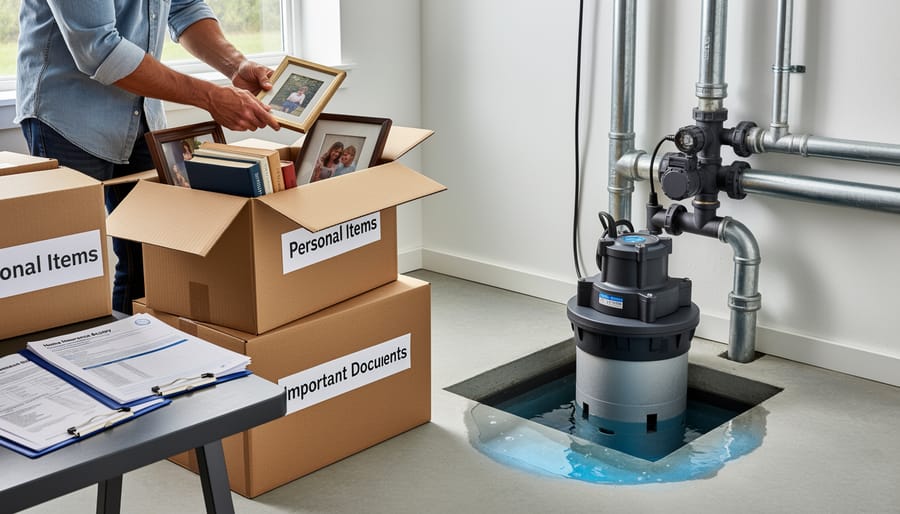
Water damage ranks among the most expensive claims Calgary homeowners face, making these questions non-negotiable. Start by asking whether water and sewer backup coverage is included in your base policy or if it requires an additional endorsement. Many standard policies exclude this protection, yet Calgary’s aging infrastructure and intense summer storms create real risk of basement flooding through drain backups.
Next, clarify the distinction between sewer backup and overland flooding coverage. These are separate perils. Overland flooding, water entering your home from surface runoff during heavy rainfall or rapid snowmelt, typically requires a specific endorsement that many Calgary homeowners overlook. Ask your broker which scenarios are covered and which aren’t, because understanding what insurance covers prevents costly surprises after a claim.
Finally, ask about coverage limits for water-related perils. Some policies cap sewer backup coverage at amounts like $15,000 or $25,000, which may prove inadequate for extensive basement damage. Request specific dollar limits for each type of water coverage, and if hail damage is explicitly covered given Calgary’s severe hailstorm history. Your broker should explain these distinctions clearly without requiring you to decode policy language yourself.
Deductibles, Discounts, and Claims Process
Start by asking what deductible options are available and how choosing a higher deductible affects your premium. Many Calgary homebuyers don’t realize that increasing your deductible from $500 to $1,000 can reduce monthly costs significantly, but you need to ensure you can cover that amount if you file a claim.
Next, inquire about available discounts for new homeowners. Brokers often have access to discounts for bundling home and auto insurance, installing security systems, or purchasing a recently renovated property. Some insurers also offer reduced rates if you’re a first-time buyer or if your home has been professionally inspected within the past year.
Finally, understand the claims process before you need it. Ask your broker how to file a claim, what documentation you’ll need, and what the typical response timeline looks like. Clarify whether you’ll work directly with the insurer or through the broker, and whether the broker assists with claim follow-up. Knowing these details upfront means you won’t be scrambling for answers during a stressful situation like hail damage or a basement flood.
Recommended Approach for Calgary Homebuyers
When to Start Your Search
Start your broker search as soon as you have an accepted offer on a Calgary home, ideally three to four weeks before your closing date. This timeline gives you room to verify licensing through the Alberta Insurance Council, compare proposals from multiple brokers, and ask the critical coverage questions without rushing. Lenders typically require proof of insurance before they’ll release funds, and waiting until the week before closing leaves you vulnerable to accepting whatever quote you can get quickly rather than the coverage you actually need. If you’re in a competitive market and your closing window is tight, contact brokers even earlier. Calgary’s hail and flood risks mean you can’t afford a coverage gap, so build in time for thorough broker evaluation rather than treating insurance as a last-minute checkbox.
How to Compare Multiple Broker Proposals
Comparing broker proposals requires a structured approach that looks beyond the bottom-line premium. Start by creating a side-by-side comparison spreadsheet with identical coverage scenarios, same dwelling amount, deductible, and coverage limits, so you’re evaluating apples to apples. Many homebuyers mistakenly compare proposals with different coverage structures, making one appear cheaper when it actually offers less protection.
Pay attention to specific coverage differences that matter in Calgary. Does one broker include water and sewer backup coverage while another excludes it? Are contents insured for replacement cost across all proposals, or does one use actual cash value? These distinctions directly affect what you’ll receive after a claim.
Evaluate the broker’s responsiveness and communication style during the quoting process. The broker who takes three days to return your call now will likely do the same when you need to file a claim. Ask each broker to explain their claims support process and whether they advocate for clients during disputes.
Request information about each insurer’s financial strength rating and claims settlement reputation. A low premium from a company with poor claims handling creates headaches you don’t want. Finally, confirm that each broker holds a current license from AIC, this verification protects you from working with unlicensed individuals offering cut-rate quotes.
Common Mistakes Calgary Homebuyers Make
Calgary homebuyers make several costly mistakes when selecting insurance brokers, often driven by time pressure and unfamiliarity with the local market. Waiting until the last minute stands out as the most common error, scrambling to secure coverage days before closing leaves no time to compare brokers, verify credentials, or identify coverage gaps. This rush typically leads to accepting the first available policy without asking essential questions about water backup protection or replacement cost coverage.
Choosing based solely on price creates another significant problem. The cheapest premium often signals inadequate coverage limits, higher deductibles, or exclusions for Calgary-specific risks like hail damage and overland flooding. What appears as savings upfront can cost thousands when you file a claim and discover your policy falls short. Price matters, but it should never be the only factor in your decision.
Many buyers skip the crucial step of verifying their broker’s licensing through the Alberta Insurance Council. Since providing insurance services is a regulated occupation in Alberta, working with an unlicensed individual exposes you to invalid policies and zero consumer protection. A quick credential check takes minutes but protects your entire investment.
Failing to understand coverage gaps specific to Calgary risks compounds these errors. New homebuyers often assume standard policies automatically cover water damage, but sewer backup and overland flooding require separate endorsements, particularly important given Calgary’s flood history and aging infrastructure. Others overlook the distinction between actual cash value and replacement cost coverage, only discovering during a claim that depreciation reduces their payout significantly.
Accepting a broker’s recommendations without asking detailed questions about deductibles, claims history requirements, and non-renewal reasons leaves you vulnerable to unpleasant surprises. Your broker should explain every coverage component and exclusion in plain language before you sign. If they rush you or dodge questions, that’s your signal to find someone else.
Key buying factors
When selecting a home insurance broker in Calgary, prioritize five core factors that directly impact your coverage quality and long-term satisfaction.
Verified Licensing and Credentials
Confirm your broker holds a valid license from the Alberta Insurance Council (AIC). Providing insurance services is a regulated occupation in Alberta, and all brokers must meet specific certification requirements. Request their license number and verify it directly through AIC’s public registry before discussing any policy details.
Calgary-Specific Risk Expertise
Your broker should demonstrate clear understanding of regional perils, hail damage, basement flooding from heavy rainfall, and winter-related claims. Ask for specific examples of how they’ve helped Calgary homeowners navigate these local risks and what coverage adjustments they typically recommend.
Access to Multiple Insurance Carriers
Brokers who represent multiple insurers give you genuine comparison options rather than a single company’s products. Request a proposal from at least three different carriers to evaluate coverage variations and pricing.
Transparent Communication and Availability
You need a broker who explains coverage gaps in plain language and responds promptly during the claims process. Test their responsiveness during your initial consultations, if they’re slow to answer basic questions now, expect worse when you need urgent help.
Clear Fee Structure
Understand exactly how your broker gets paid, whether through insurer commissions, client fees, or both, so there are no surprises.
Mistakes to avoid
Waiting until the final days before your closing date ranks among the costliest mistakes Calgary homebuyers make. You need time to verify credentials through AIC, compare multiple proposals, and understand what you’re actually buying. Rushing this process often means accepting whatever coverage a broker offers without questioning gaps or alternatives.
Selecting a broker based solely on the lowest premium is another trap. Cheap policies typically come with higher deductibles, limited coverage for Calgary-specific risks like hail damage or sewer backup, and exclusions you won’t discover until you file a claim. The broker offering rock-bottom pricing may represent only one or two insurers, giving you no real choice.
Failing to verify licensing creates serious risk. Anyone can claim expertise, but only those licensed through Alberta’s regulatory body can legally sell insurance in this province. Check AIC’s public registry before sharing personal information or financial details.
Many homebuyers also skip asking whether their home and contents are insured for replacement cost versus actual cash value. That distinction determines whether you receive enough money to rebuild after a major loss or just a depreciated payout that leaves you short. Ask explicitly about this coverage structure, water and sewer backup protection, and how much dwelling coverage the quote actually includes.
Key Points
- Verify your broker’s licensing through Alberta Insurance Council, providing insurance services requires AIC certification in Alberta
- Choose brokers with Calgary-specific expertise who understand local weather risks like hail damage and flooding patterns
- Compare proposals from at least three brokers who access multiple insurers, not just captive agents representing one company
- Ask whether your home is insured for replacement cost versus actual cash value, the difference affects your payout after a claim
- Confirm water and sewer backup coverage is included, as this protection isn’t automatic in many Calgary policies
- Start your broker search at least three weeks before closing to avoid rushed decisions and coverage you might miss
- Review deductible options and available discounts for new homebuyers, security systems, and bundled policies
- Request clarity on personal property limits and whether contents use replacement cost or actual cash value calculations
Selecting the right Calgary home insurance broker protects your investment long after closing day. The questions you ask upfront determine whether you’re adequately covered for the risks your property actually faces, from Alberta’s severe hailstorms to basement flooding from aging infrastructure. Working with a properly licensed broker who compares multiple carriers gives you leverage to secure comprehensive protection at competitive rates while avoiding the common pitfall of choosing based solely on the lowest premium.
Selecting the right home insurance broker in Calgary is more than a transaction, it’s establishing a partnership with someone who understands both your property and the risks specific to this market. The broker you choose will help you navigate hail seasons, flooding concerns, and the coverage nuances that matter most to Calgary homeowners. Taking the time to ask the essential questions about coverage limits, deductibles, water backup protection, and replacement cost provisions saves you from costly surprises when you actually need to file a claim.
Before your closing date, verify your broker’s licensing through the Alberta Insurance Council and compare proposals from at least two or three qualified professionals. The investment you make in due diligence now protects your largest financial asset for years to come.