
Ethical issues in supply chain management encompass the labor rights violations, environmental damage, corruption, and human rights abuses that can occur at any stage of producing and delivering goods and services. For real estate developers, lenders, and insurers, these issues translate directly into project delays, regulatory fines, reputational damage, and significant financial exposure when materials sourcing or contractor practices fail to meet ESG standards.
The stakes have never been higher. Construction materials like steel, concrete, and timber often originate from supply chains with documented concerns around forced labor, unsafe working conditions, and ecological destruction. When a residential development sources timber from illegally logged forests or uses suppliers that exploit workers, the property owner inherits compliance risk, faces potential legal action, and jeopardizes financing relationships with ESG-conscious lenders. Insurance carriers are now factoring supply chain ethics into underwriting decisions, recognizing that projects with poorly vetted suppliers face higher claims probability.
This matters because the real estate and finance sectors can no longer treat supply chain ethics as someone else’s problem. Due diligence requirements have expanded beyond your immediate contractors to encompass their suppliers, sub-suppliers, and the entire value chain. Regulatory frameworks in 2026 increasingly hold property developers and financiers accountable for third-party conduct, particularly regarding environmental stewardship and labor standards.
This article breaks down the specific ethical issues that surface in supply chain management, explains how they manifest in real estate and property finance contexts, and provides practical frameworks for identifying and mitigating these risks before they threaten your projects or portfolio value.
Understanding Supply Chain Ethics: Definition and Core Principles
Supply chain ethics refers to the application of moral principles and responsible practices throughout the entire network of suppliers, manufacturers, distributors, and service providers involved in producing and delivering goods or services. For real estate professionals, this encompasses everything from the quarries where stone is extracted to the factories producing windows and the contractors installing electrical systems. In banking and insurance, it extends to evaluating how borrowers and policyholders manage their own supplier relationships and procurement decisions.
At its core, supply chain ethics rests on four fundamental principles that directly impact property development, lending, and insurance operations. Transparency requires clear visibility into where materials come from and under what conditions they’re produced, essential when developers specify construction materials or when lenders assess a borrower’s operational risks. Accountability means establishing clear responsibility for ethical standards at every link in the chain, from the timber supplier to the general contractor, ensuring someone can answer for labor practices and material authenticity.
Fair labor practices demand that workers throughout the supply chain receive safe working conditions, fair wages, and freedom from exploitation. When a real estate developer sources cabinetry or a homeowner selects flooring, the conditions under which those products were manufactured carry both moral weight and practical implications for liability and project delays. Environmental responsibility addresses how supply chain activities impact natural resources, emissions, and waste generation, factors that increasingly affect property values, insurance premiums, and financing terms as ESG considerations become standard in underwriting decisions.
- Supply Chain Ethics
- The practice of ensuring all participants in the production and distribution network adhere to moral standards, legal requirements, and responsible business conduct that protects workers, communities, and the environment.
- ESG Criteria
- Environmental, Social, and Governance standards used to evaluate the ethical and sustainability performance of businesses and their supply chains, increasingly factored into lending decisions and insurance risk assessments.
- Due Diligence
- The systematic process of investigating and verifying supplier practices, certifications, and compliance records before entering business relationships, particularly critical in construction projects where material quality and sourcing affect property liability.
- Ethical Sourcing
- The deliberate selection of suppliers and materials based on verified labor standards, environmental practices, and transparent operations rather than price alone, directly impacting project timelines, costs, and long-term property performance.
These principles aren’t abstract ideals, they translate into concrete business realities. A bank evaluating a construction loan examines whether the developer’s material suppliers carry proper certifications and maintain transparent practices, as supply chain failures can derail projects and default risk. Insurance underwriters adjust premiums based on the ethical profile of a policyholder’s suppliers, recognizing that substandard materials or exploitative labor practices increase the likelihood of claims. For property developers, ethical supply chain management affects everything from securing financing to achieving green building certifications that command premium sale prices.
Understanding these foundations helps real estate professionals, lenders, and insurers recognize that supply chain ethics isn’t a peripheral concern but a central factor in risk management, valuation, and long-term asset performance in today’s market.
How Supply Chain Ethics Work in Practice
The Role of ESG Frameworks
ESG frameworks provide a standardized approach for evaluating ethical performance across supply chains, offering property developers and financial institutions consistent criteria for assessing vendors and contractors. Organizations increasingly rely on established reporting standards, such as the Global Reporting Initiative (GRI), Sustainability Accounting Standards Board (SASB), and Task Force on Climate-related Financial Disclosures (TCFD), to measure and disclose supply chain impacts. These frameworks guide businesses in tracking key environmental factors like carbon emissions from materials transportation and manufacturing processes, social considerations including labor conditions at supplier facilities, and governance elements such as anti-corruption policies and board oversight of supplier relationships.
For real estate and finance professionals, ESG metrics derived from these frameworks inform critical decisions about managing supply chain ESG risks. Banks reviewing construction loan applications evaluate whether developers source materials from suppliers with verified ESG credentials. Insurance underwriters adjust premiums based on a project’s supply chain risk profile, with third-party certifications like B Corp or ISO 14001 signaling lower liability exposure. Property valuations increasingly reflect ESG performance, as buyers and tenants prioritize buildings with transparent, ethical supply chains that meet recognized sustainability benchmarks.
Monitoring and Enforcement Mechanisms
Monitoring ethical compliance in supply chains requires multiple verification layers. On-site audits remain fundamental, with independent inspectors visiting factories, quarries, and manufacturing facilities to verify working conditions, environmental controls, and safety protocols. For real estate projects, this means physically inspecting where steel, lumber, concrete, and other materials originate before they reach the construction site.
Technology has expanded monitoring capabilities significantly. Digital supply chain platforms now track materials from source to delivery, recording custody changes and certifications at each step. Some construction material suppliers use blockchain systems to create immutable records of product origins, labor practices, and environmental compliance data. GPS tracking and IoT sensors monitor transportation conditions and verify routing to prevent substitution of certified materials with uncertified alternatives.
Third-party certification bodies conduct periodic reviews of supplier facilities and audit documentation. Real estate developers increasingly require vendors to maintain current certifications like Fair Trade, Responsible Sourcing, or industry-specific environmental standards. Lenders and insurers may request audit reports and certification documentation during underwriting to assess project risk.
However, monitoring effectiveness depends on inspection frequency, auditor independence, and the ability to trace complex multi-tier supply chains where subcontractors and raw material sources change. No single tool provides complete visibility, which is why comprehensive programs combine technology platforms with traditional auditing and contractual enforcement provisions.
Types and Components of Ethical Issues in Supply Chains
Labor and Human Rights Issues
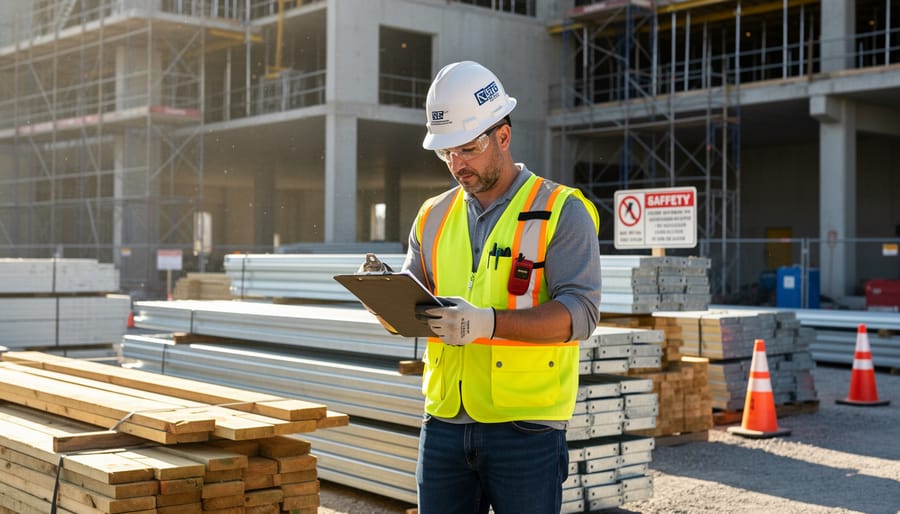
Labor rights violations represent some of the most serious ethical challenges in construction and manufacturing supply chains. For real estate professionals sourcing materials from emerging markets these issues carry direct legal and reputational risks that can derail projects and damage property values.
Forced labor remains prevalent in industries producing construction materials like bricks, steel, and timber. Workers may be trapped through debt bondage, passport confiscation, or physical coercion. Child labor appears in mining operations for raw materials like sand and stone, particularly in regions with weak enforcement. Unsafe working conditions, inadequate safety equipment, exposure to toxic substances, excessive hours without rest, plague manufacturing facilities supplying hardware, fixtures, and finishing materials.
- Unusually low material prices that undercut market rates significantly
- Suppliers refusing factory visits or third-party audits
- Absence of recognized labor certifications or compliance documentation
- Reports of workplace accidents or labor disputes at supplier facilities
- Vague or incomplete supply chain documentation
Property developers face liability when contractors use materials produced through labor exploitation. Banks increasingly scrutinize supply chain practices when underwriting construction loans, knowing labor violations can trigger project delays, regulatory fines, or public boycotts. Insurance companies may deny claims or adjust premiums if policyholder negligence enabled foreseeable labor abuses. One tainted shipment of materials can compromise a property’s marketability and certification status for years.
Environmental and Sustainability Concerns
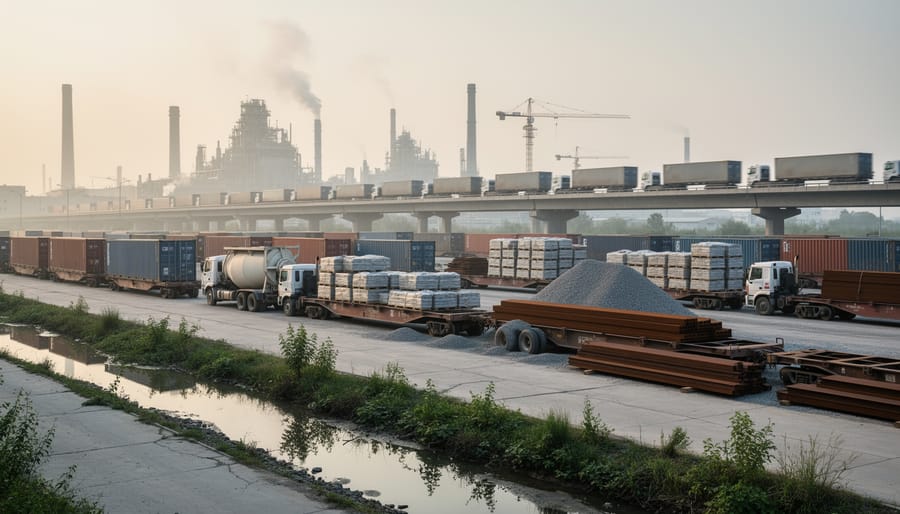
Environmental sustainability concerns permeate every stage of construction supply chains, creating significant implications for real estate professionals and their financial partners. The production of building materials, particularly concrete, steel, and glass, involves substantial energy consumption and carbon emissions that contribute to climate risk management challenges for property developers and lenders.
Transportation represents another major environmental consideration. Materials often travel thousands of miles from extraction sites to manufacturing facilities and finally to construction sites, accumulating carbon footprints that increasingly affect property certifications and valuations. Developers using distant suppliers face scrutiny from both environmentally-conscious buyers and lenders assessing long-term asset value.
Resource depletion also poses ethical concerns. Unsustainable extraction of sand, timber, and minerals damages ecosystems and threatens future material availability. These practices can expose developers to supply disruptions and reputational damage.
Waste management throughout construction supply chains creates liability exposures that directly impact insurance premiums. Poor waste handling, water pollution from manufacturing, and inadequate disposal of construction debris all increase environmental risk profiles. Insurers now factor these considerations into coverage decisions, while properties with documented sustainable supply chains often command premium valuations and lower financing costs.
Transparency and Corruption
Transparency and corruption remain persistent challenges in supply chains, particularly in construction and real estate development. When contractors accept kickbacks from suppliers in exchange for purchase orders, the materials selected may not meet project specifications or offer the best value. These arrangements inflate project costs and compromise building quality, yet they often remain hidden until problems surface.
Falsified certifications pose serious risks. A supplier might provide fraudulent documentation claiming materials meet environmental or safety standards when they don’t. For property developers, this creates liability exposure and potential regulatory violations. Lenders evaluating construction projects face difficulty assessing true material quality and project risk when supply chain documentation can’t be trusted.
Lack of visibility compounds these problems. Many real estate projects involve multiple supplier tiers, making it challenging to trace where materials originate or how they’re produced. When developers can’t verify that hardwood flooring wasn’t harvested illegally or that concrete suppliers follow proper environmental protocols, they unknowingly assume ethical and legal risks that can affect property marketability and valuation.
For lending institutions, this opacity makes due diligence harder. Banks may finance projects built on compromised foundations, literally and figuratively, when corruption and lack of transparency obscure the true state of supply chain practices.
Quality and Safety Compliance
Quality and safety compliance failures in supply chains create immediate liability exposures for real estate professionals. When contractors source substandard materials, concrete that doesn’t meet specified strength requirements, drywall that harbors harmful compounds, or electrical components that fail safety testing, the resulting structures pose risks to occupants and owners alike.
Counterfeit building products represent a growing threat. Fake fire-rated doors, imitation structural steel with inadequate load-bearing capacity, and fraudulent safety certifications can pass initial inspections but fail catastrophically under stress. For property developers, these failures trigger costly repairs, legal liability, and reputational damage. Lenders face increased default risk on projects compromised by substandard materials, while insurers must grapple with claims that exceed normal actuarial expectations.
Building code violations stemming from supply chain shortcuts compound these problems. Materials that don’t meet local fire resistance standards, electrical systems lacking proper grounding, or plumbing components prone to leaks create long-term maintenance burdens and safety hazards. Insurance underwriters increasingly scrutinize material sourcing documentation during property assessments, adjusting premiums upward or denying coverage entirely when supply chain integrity cannot be verified. For homebuyers, these issues directly affect property insurability, resale value, and peace of mind regarding structural soundness.
Real-World Applications: How Ethical Supply Chain Issues Affect Real Estate and Finance
Impact on Property Development and Valuation
Property developers who neglect supply chain ethics face escalating consequences across multiple dimensions of project performance. When contractors source materials from suppliers with poor labor practices or environmental records, projects risk sudden shutdowns from regulatory interventions, activist campaigns, or worker protests that push timelines months behind schedule. These delays compound financially, as holding costs accumulate and market windows close.
Material costs themselves become volatile when ethical issues surface. Developers forced to replace substandard or tainted materials mid-project absorb both the original purchase cost and the premium for expedited replacement sourcing. Construction materials with significant environmental impacts during production can also face increasing regulatory surcharges or carbon pricing that erode budget projections.
For properties targeting premium segments or institutional buyers, supply chain ethics directly determine certification eligibility. LEED, WELL, and similar green building standards require documented ethical sourcing across material categories. Properties lacking these certifications sell at demonstrable discounts and attract narrower buyer pools.
Most critically for long-term investment success properties with ethical supply chain documentation command higher valuations and faster sales cycles. Institutional investors increasingly require ESG supply chain disclosure before acquisition, while mortgage lenders now factor supply chain risk into rate structures for construction financing.
Implications for Lending and Insurance
Banks evaluating construction loan applications now scrutinize suppliers’ ethical records as part of their due diligence process. A developer sourcing materials from manufacturers with documented labor violations or environmental compliance issues faces higher borrowing costs or loan denial. Lenders recognize that projects built on unethical supply chains carry completion risks, regulatory shutdowns, material recalls, or reputational damage can jeopardize repayment capacity. Financial institutions increasingly require borrowers to demonstrate supply chain transparency through vendor certifications and audit trails before approving financing.
Insurance underwriters similarly adjust premiums and coverage terms based on supply chain ethics. Properties constructed with materials from suppliers lacking proper safety certifications or environmental controls present elevated insurance risk. Carriers may exclude certain perils, impose higher deductibles, or mandate additional inspections when ethical supply chain documentation is inadequate. Developers who maintain robust supplier vetting processes and retain comprehensive compliance records typically secure more favorable insurance terms, as carriers view these practices as risk mitigation measures that reduce the likelihood of claims related to defective materials or construction defects.
Managing Ethical Supply Chain Risks: Strategies for Real Estate and Finance Professionals
Managing ethical supply chain risks requires a systematic approach that goes beyond basic vendor selection. Real estate developers, lenders, and insurance professionals who integrate ethical screening into their standard operating procedures can reduce liability exposure, avoid costly project delays, and protect their reputations in an increasingly ESG-conscious market.
Start with comprehensive vendor qualification that examines both capabilities and ethical standards. Request documentation of labor practices, environmental certifications, and previous project references. For international suppliers, look for third-party audits from recognized bodies rather than relying solely on self-reported compliance. When evaluating contractors for a property development project, review their entire material sourcing chain, not just their direct operations.
- Request copies of supplier codes of conduct and ethics policies
- Verify labor certifications and workplace safety records
- Check for environmental permits and sustainability certifications
- Review litigation history related to labor or environmental violations
- Confirm material origin documentation and chain of custody records
- Validate insurance coverage that includes ethical compliance protections
Build ethical requirements directly into contracts with specific clauses addressing compliance expectations, audit rights, and consequences for violations. Include provisions allowing you to inspect facilities or request documentation at any point during the project. For lenders, incorporate supply chain ethics assessments into loan covenants, requiring borrowers to maintain certain standards throughout construction. Insurance professionals should ensure policies reflect the ethical risk profile of a project’s supply chain, potentially adjusting coverage or premiums based on documented practices.
Establish ongoing monitoring rather than one-time verification. Schedule periodic reviews of supplier certifications, conduct random audits of high-risk vendors, and create channels for workers or community members to report concerns confidentially. Technology solutions like supplier portals and blockchain tracking can provide real-time visibility into material sourcing and labor conditions. When red flags emerge, act quickly to investigate and remediate or replace problematic suppliers before issues escalate into legal liability, project delays, or reputational damage that affects property values and financing terms.
Frequently Asked Questions About Supply Chain Ethics
How can I verify that my contractor uses ethically sourced materials?
Request certifications such as FSC for wood products, Fair Trade for certain materials, or industry-specific ethical sourcing credentials. You can also ask for supply chain documentation showing the origin of materials and any third-party audits conducted on suppliers. Most reputable contractors should be able to provide this information or connect you with their sourcing teams.
Do ethical supply chains increase construction costs?
Initially, ethically sourced materials may carry a premium of five to fifteen percent, though this gap continues narrowing as ethical practices become standard. However, these upfront costs often balance out through reduced liability exposure, faster permit approvals for certified green buildings, lower insurance premiums, and stronger property values in markets where buyers prioritize sustainability.
Am I liable if my contractor’s supplier uses unethical labor practices?
While direct legal liability varies by jurisdiction, property owners can face reputational damage, project delays, and complications with certifications if supply chain violations surface. Including ethical sourcing requirements in your contracts and requiring contractors to warrant their suppliers’ compliance creates a layer of protection, though due diligence remains your best defense.
What certifications should I look for when evaluating suppliers?
For construction materials, look for FSC certification for timber, Cradle to Cradle for comprehensive sustainability, and ISO 14001 for environmental management systems. Labor standards can be verified through SA8000 certification or membership in industry-specific ethical trade initiatives. Many suppliers now maintain multiple certifications addressing different aspects of their operations.
Beyond these common concerns, real estate professionals should understand that ethical supply chain management intersects with risk management in ways that weren’t as prominent a decade ago. Lenders increasingly request documentation of material sourcing as part of construction loan underwriting, particularly for larger commercial projects. Insurance carriers may adjust premiums based on your supply chain practices, recognizing that ethically managed chains typically correlate with better overall project management and lower claim frequencies.
For homebuyers, asking about supply chain ethics during the purchasing process isn’t overstepping. Builders who can readily discuss their material sourcing, show you certifications, and explain their vetting procedures demonstrate the kind of operational transparency that often predicts quality throughout the project. If a builder seems defensive or vague about where materials come from, that’s worth noting as you evaluate your options.
Understanding ethical issues in supply chain management has moved from a corporate responsibility checkbox to a fundamental business competency for real estate and finance professionals. Whether you’re developing properties, underwriting construction loans, or evaluating insurance risk, your supply chain decisions ripple through project timelines, valuations, and long-term liability exposure.
The professionals who thrive in today’s market recognize that ethical supply chain management delivers measurable advantages. Properties built with verified sustainable materials command premium values and attract quality tenants. Lenders who assess supplier ethics alongside financial metrics reduce default risk and regulatory exposure. Insurers who understand supply chain vulnerabilities price coverage more accurately and avoid catastrophic claims.
This isn’t about perfection. It’s about informed decision-making and continuous improvement. Start by asking better questions of your contractors and suppliers. Verify certifications rather than accepting them at face value. Build ethical considerations into your procurement contracts and vendor selection criteria. When issues surface, address them directly rather than hoping they’ll remain hidden.
The competitive landscape rewards those who integrate ESG principles into daily operations. Your clients, investors, and regulators increasingly expect transparency about where materials originate and how they’re produced. Meeting these expectations now positions you ahead of regulatory requirements and market shifts that will only intensify.
Take ownership of your supply chain ethics. The properties you develop, the loans you approve, and the coverage you provide will reflect that commitment for decades to come.