
Preventive maintenance is the systematic practice of inspecting, servicing, and repairing property components before they fail—transforming reactive emergencies into planned interventions that protect your investment’s value and minimize costly disruptions. Unlike reactive approaches that wait for breakdowns, this proactive strategy schedules routine tasks based on time intervals, usage patterns, or equipment condition, typically reducing repair costs by 12-18% while extending asset lifespans by up to 30%.
For property owners and real estate professionals, preventive maintenance operates as both a financial safeguard and a strategic planning tool. A well-executed program prevents the cascade effect where one failed component damages adjacent systems—like a leaking water heater that ruins flooring, drywall, and creates mold issues that multiply repair expenses tenfold. This approach directly impacts insurance premiums, as carriers increasingly reward documented maintenance programs with lower rates, recognizing that maintained properties file 40% fewer claims than neglected ones.
The planning dimension separates successful property managers from those constantly fighting fires. Establishing a maintenance calendar that coordinates HVAC servicing before peak seasons, gutter cleaning before storm periods, and roof inspections on annual cycles creates predictable budgets and prevents the scramble for emergency contractors who charge premium rates. This systematic approach also generates comprehensive property documentation that enhances resale value and provides liability protection when maintenance records demonstrate reasonable care and due diligence in property stewardship.
What Preventive Maintenance Really Means for Property Owners
The Core Components of Preventive Maintenance
Understanding preventive maintenance means recognizing its four fundamental building blocks that work together to protect your property investment.
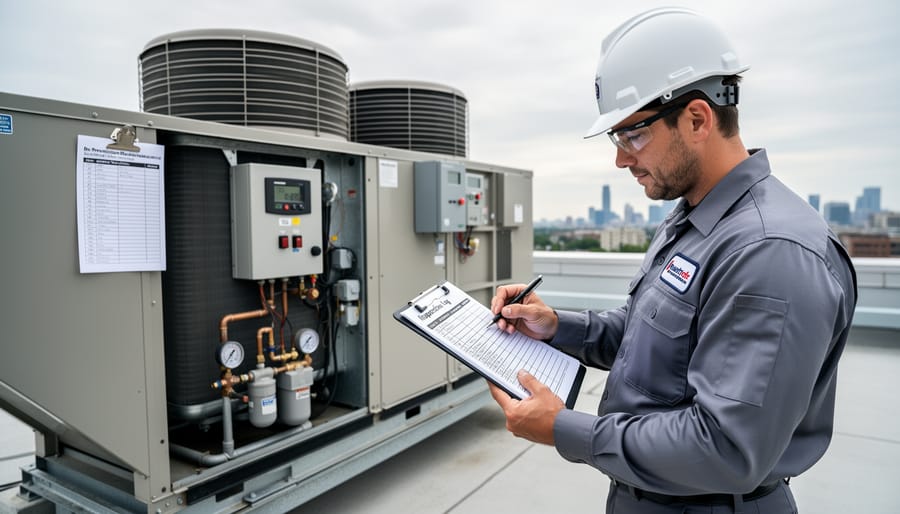
Routine inspections form the foundation of any preventive maintenance program. These are regular walkthroughs where you check critical systems like HVAC units, plumbing fixtures, electrical panels, and structural components before problems emerge. For property owners, conducting quarterly inspections can catch minor issues like a small roof leak or worn weatherstripping before they escalate into insurance claims that could impact your premiums.
Scheduled servicing represents the planned maintenance activities you perform on a predictable timeline. Think of it like changing your car’s oil every 5,000 miles, except for your property. This includes annual HVAC tune-ups, gutter cleaning twice yearly, or water heater flushing. Real estate investors often schedule these services during low-occupancy periods to minimize tenant disruption while maximizing property longevity.
Systematic repairs involve addressing wear-and-tear issues according to manufacturer recommendations rather than waiting for complete failure. Replacing HVAC filters monthly or resealing windows every few years prevents emergency breakdowns that cost three to five times more than planned replacements. These proactive repairs also demonstrate proper maintenance documentation if you ever need to file an insurance claim.
Documentation requirements tie everything together. Keeping detailed records of inspections, service dates, repairs, and expenses proves invaluable for tax deductions, insurance purposes, and property valuations. Digital maintenance logs can increase your property’s resale value by demonstrating consistent care, giving potential buyers confidence in their investment while potentially reducing their insurance costs from day one.
Preventive vs. Reactive: Understanding the Critical Difference
Understanding the distinction between preventive and reactive maintenance is crucial for protecting your property investment and your bottom line. Think of it this way: preventive maintenance is scheduling your annual HVAC tune-up before winter, while reactive maintenance is calling a technician at 2 AM when your furnace dies during a cold snap.
Let’s examine the real-world cost implications. For HVAC systems, annual preventive maintenance typically costs $150-$300. This service identifies worn parts, cleans components, and optimizes efficiency. Without it, you’re looking at emergency repair bills averaging $500-$1,500, or complete system replacement costs exceeding $8,000. Even more concerning, insurance claims related to preventable HVAC failures may face scrutiny or denial, leaving you fully exposed.
Roofing presents an even starker contrast. Regular inspections and minor repairs—clearing debris, replacing damaged shingles, sealing flashings—cost a few hundred dollars annually. Neglecting these tasks leads to water infiltration, structural damage, and mold remediation expenses that can easily reach $15,000-$30,000. Your homeowner’s insurance may not cover damage from deferred maintenance, classifying it as negligence rather than a covered peril.
Plumbing exemplifies the preventive approach beautifully. Periodic inspections catch small leaks, corrosion, and failing supply lines before they flood your basement. A simple $200 plumbing check-up prevents catastrophic water damage averaging $10,000-$20,000 per incident.
Beyond immediate costs, reactive maintenance devastates property values. Appraisers and inspectors spot deferred maintenance patterns, flagging your property as high-risk. Implementing effective home maintenance strategies protects your equity while keeping insurance premiums favorable and demonstrating responsible ownership to potential buyers or tenants.
Planning Your Preventive Maintenance Strategy
Identifying Critical Systems and Assets
Not all property systems carry equal weight when developing your preventive maintenance strategy. Knowing which assets demand priority attention can mean the difference between minor maintenance expenses and catastrophic financial losses.
Your HVAC system typically tops the priority list. These units represent significant replacement costs ranging from $5,000 to $15,000 for residential properties and exponentially more for commercial buildings. Regular filter changes, coil cleaning, and annual professional inspections prevent the gradual efficiency decline that inflates utility bills by 15-30% annually.
Electrical systems deserve equally serious attention. While often hidden behind walls, deteriorating wiring or outdated panels pose fire risks that insurance companies scrutinize carefully. Properties with well-documented electrical maintenance often qualify for lower insurance premiums, creating immediate financial returns on your preventive efforts.
Roofing systems protect everything beneath them, making premature failure especially costly. A well-maintained roof lasts 20-30 years, while neglected roofs may fail in half that time. The replacement cost for residential roofing averages $8,000-$20,000, making biannual inspections and minor repairs remarkably cost-effective.
Plumbing systems require consistent monitoring to prevent water damage, which insurance claims data shows as one of the most frequent and expensive property issues. Regular inspections catch small leaks before they become foundation-threatening problems.
Elevators in multi-story properties demand specialized attention due to safety regulations and liability concerns. Building codes mandate regular inspections, but proactive maintenance between required checks prevents costly emergency repairs and potential lawsuits.
Prioritize based on replacement cost, impact on property value, and risk to occupant safety when allocating your maintenance budget.
Creating Maintenance Intervals That Work
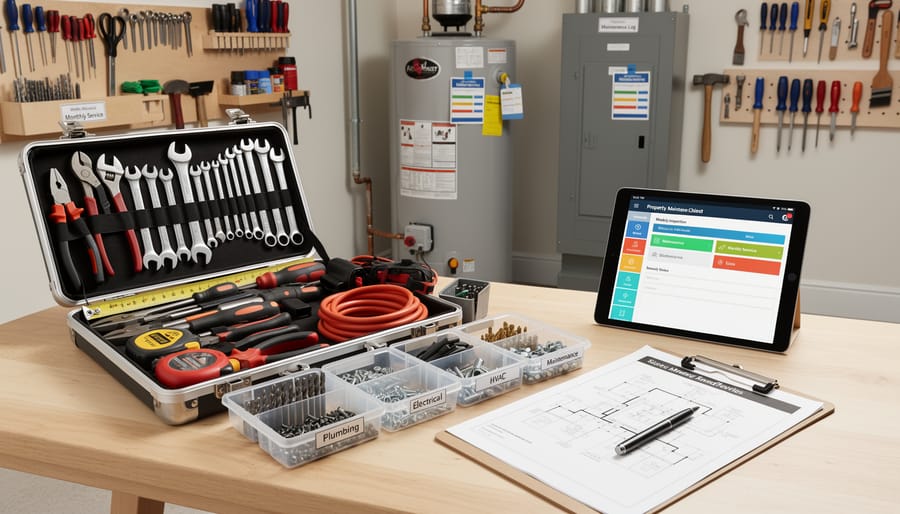
Establishing the right maintenance intervals for your property requires balancing three key factors: manufacturer guidelines, actual usage patterns, and your local environment. Think of it as creating a personalized health plan for your building rather than following a one-size-fits-all approach.
Start with manufacturer recommendations as your baseline. Most HVAC systems, appliances, and building components come with suggested maintenance schedules. For example, manufacturers typically recommend annual furnace inspections and quarterly HVAC filter changes. These guidelines are valuable starting points, but they’re designed for average conditions.
Next, adjust for actual usage intensity. A rental property with high tenant turnover needs more frequent attention than an owner-occupied home. Similarly, commercial properties with heavy foot traffic require more aggressive maintenance cycles than residential buildings. Track how quickly systems show wear, and tighten intervals accordingly. Properties with constant occupancy might need monthly checks on items that manufacturers recommend quarterly.
Climate considerations can dramatically affect your schedule. In coastal regions, salt air accelerates corrosion, requiring more frequent inspections of exterior components and metal fixtures. Properties in areas with extreme temperature swings need more attention to HVAC systems and weatherproofing. Heavy snowfall regions demand more frequent roof inspections, while properties in humid climates require vigilant mold prevention measures.
From a financial perspective, proper interval timing protects your insurance coverage and property value. Many insurance policies include maintenance requirements, and documented regular care strengthens claims if issues arise. Additionally, consistent maintenance creates verifiable records that appeal to potential buyers and justify premium pricing during sales.
Create a master calendar that layers all these factors together, then review and refine it annually based on actual findings. What works for your property this year might need adjustment as systems age or usage patterns change.
Scheduling That Actually Gets Done
Building a Realistic Maintenance Calendar
Creating a maintenance calendar doesn’t require expensive software or complex systems. Start by conducting a complete property assessment to identify all systems, equipment, and components requiring regular attention. Document everything from HVAC filters to exterior paint conditions, noting manufacturer recommendations and current condition.
Next, categorize tasks by frequency. Weekly items might include landscaping checks and common area inspections. Monthly tasks typically cover HVAC filter changes, safety equipment testing, and exterior walkarounds. Quarterly schedules should address deeper system inspections like roof assessments, gutter cleaning, and pest control treatments.
Align your calendar with cash flow patterns. If you’re managing rental properties, schedule major maintenance during high-occupancy months when income is strongest. For owner-occupied homes, consider timing expensive maintenance around tax refund seasons or bonus periods. This strategic approach prevents financial strain while ensuring nothing gets overlooked.
Build in flexibility by creating a 60-40 split: dedicate 60 percent of your maintenance budget and time to scheduled preventive work, reserving 40 percent for unexpected issues. This ratio protects your insurance deductible from frequent claims while maintaining coverage for genuine emergencies.
Use digital tools or simple spreadsheets to track completion dates and costs. This documentation proves invaluable for insurance claims, property valuations, and tax deductions related to rental properties. Review and adjust your calendar quarterly based on actual maintenance patterns, seasonal challenges, and evolving property needs.
Tools and Technology That Simplify Scheduling
Modern technology has transformed preventive maintenance from paper checklists into streamlined digital operations. Whether you manage a single rental property or an extensive portfolio, the right tools can dramatically reduce administrative burden while improving maintenance outcomes.
Property management software like Buildium, AppFolio, and TenantCloud offer comprehensive solutions that integrate maintenance scheduling with tenant communication, financial tracking, and work order management. These platforms typically range from $50 to $300 monthly depending on portfolio size, with most offering tiered pricing structures. For individual homeowners or small-scale investors, simpler options like Maintenance Connection or Upkeep provide maintenance-specific features at $30 to $100 monthly.
Mobile applications have made inspection tracking remarkably efficient. Apps like HappyCo and Sortly allow property inspectors to document conditions, attach photos, and automatically generate reports from smartphones. This real-time documentation proves invaluable for insurance claims and creates defensible records of property conditions.
Cloud-based systems offer particular advantages for multi-property owners, enabling centralized oversight while contractors access only relevant work orders. The cost savings typically justify the investment within months through reduced emergency repairs, better vendor pricing through scheduled work, and decreased insurance premiums.
For budget-conscious property owners, free tools like Google Sheets or Trello can effectively organize maintenance schedules, though they lack automated reminders and integration capabilities. The investment in dedicated software generally pays dividends through time savings and maintenance consistency that protects property values long-term.
The Financial Impact on Property Value and Insurance
How Maintenance Records Affect Insurance Claims and Premiums
Insurance companies view preventive maintenance records as powerful indicators of risk management. Property owners who maintain detailed documentation of routine inspections, repairs, and system maintenance demonstrate responsible ownership—something insurers reward with more favorable terms.
When filing claims, comprehensive maintenance records can be the difference between approval and denial. If your HVAC system fails, insurers want proof you changed filters regularly and scheduled annual inspections. Without documentation, they may argue the failure resulted from neglect rather than a covered event, potentially denying your claim entirely. This directly impacts your homeowners insurance coverage effectiveness when you need it most.
Premium reductions represent another significant benefit. Many insurers offer discounts ranging from 5-15% for properties with documented preventive maintenance programs. They recognize that well-maintained properties experience fewer catastrophic failures and costly claims. Some carriers now provide digital platforms where property owners can upload maintenance records directly, streamlining the discount qualification process.
For real estate investors managing multiple properties, these savings compound quickly. A 10% premium reduction across a portfolio of five properties could save thousands annually—money that flows directly to your bottom line while simultaneously protecting your investment through proper upkeep.
Tax Deductions and Depreciation Considerations
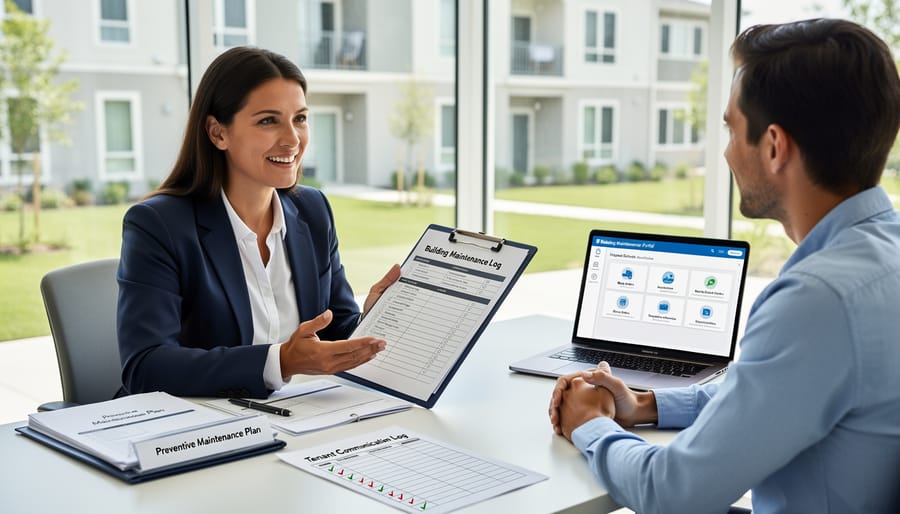
Understanding the tax implications of preventive maintenance can significantly impact your property investment returns. The Canada Revenue Agency distinguishes between routine preventive maintenance expenses and capital improvements, which affects how you claim these costs.
Generally, preventive maintenance expenses qualify as current-year tax deductions for rental properties because they maintain the property’s existing condition rather than improving it. Activities like HVAC servicing, filter replacements, and routine inspections typically fall into this deductible category. However, major equipment replacements or system upgrades that extend the property’s useful life are considered capital improvements, requiring depreciation over multiple years through the Capital Cost Allowance system.
For homeowners living in their primary residence, the tax treatment differs. While you cannot deduct preventive maintenance costs for your home, keeping detailed records remains valuable for insurance claims and potential home office deductions if applicable.
The line between maintenance and improvement can blur in practice. For instance, replacing a furnace might be considered maintenance if the original unit failed, but an improvement if you’re upgrading to a more efficient model. Given these complexities and the potential for significant tax savings, consulting with a qualified tax professional or accountant familiar with real estate taxation ensures you maximize legitimate deductions while remaining compliant with current regulations.
Common Pitfalls Property Owners Make
Even seasoned property owners stumble when implementing preventive maintenance programs. Understanding these common mistakes can save you thousands in emergency repairs and protect your property’s value.
The most frequent error is treating preventive maintenance as an optional expense during tight budget periods. When cash flow gets squeezed, property owners often defer scheduled maintenance thinking they’ll catch up later. This short-term thinking typically backfires. A $200 HVAC filter replacement and inspection today prevents a $5,000 system failure tomorrow. From an insurance perspective, documented maintenance deferrals can complicate claims if equipment failure causes property damage.
Documentation failures rank as another critical pitfall. Many property owners perform maintenance tasks but fail to keep detailed records. Without documentation, you cannot prove maintenance history to insurance carriers, which may result in denied claims or higher premiums. Additionally, when selling a property, comprehensive maintenance records demonstrate responsible ownership and justify asking prices. Smart investors maintain digital logs with dates, costs, photos, and service provider information for every maintenance activity.
Vendor management issues create unnecessary complications. Some owners chase the lowest bid without vetting contractors properly, leading to subpar work that requires expensive corrections. Others lack service agreements with qualified vendors, leaving them scrambling during emergencies when rates skyrocket. Establishing relationships with licensed, insured contractors before problems arise ensures quality work at fair prices.
Finally, many property owners create overly ambitious maintenance schedules they cannot realistically follow. Starting with manufacturer-recommended intervals and local building code requirements provides a practical foundation. You can always expand your program as resources allow, but an incomplete ambitious plan offers less protection than a consistently executed basic program.
Investing in preventive maintenance isn’t just about fixing things before they break—it’s a strategic financial decision that pays dividends across multiple fronts. Property owners who embrace systematic maintenance planning see measurable returns through preserved or increased property values, higher tenant satisfaction and retention rates, and dramatically reduced emergency repair costs that can derail even the most carefully planned budgets. From an insurance perspective, well-maintained properties often qualify for better premium rates and smoother claims processes, while proper documentation of maintenance activities strengthens your position should disputes arise.
The difference between reactive scrambling and proactive planning often determines whether your property investment becomes a financial asset or a liability. By auditing your current maintenance approach and identifying gaps, you can transition from costly crisis management to strategic property stewardship. Start by reviewing your property’s critical systems, creating a realistic maintenance calendar, and allocating appropriate budget reserves—these essential homeowner lessons form the foundation of long-term success. Take action today: schedule that property walkthrough, compile your equipment warranties, and build your preventive maintenance roadmap. Your future self—and your bank account—will thank you.