
Fortify your property against extreme weather by upgrading roofing systems to withstand 130+ mph winds, installing flood barriers rated for 500-year events, and elevating critical building systems above projected flood zones—measures that can reduce insurance premiums by 15-45% while protecting your investment from climate-related losses. These improvements aren’t just protective barriers; they’re financial instruments that lower risk profiles and unlock better coverage terms.
Integrate impact-resistant windows, permeable hardscaping, and emergency power systems into your property infrastructure to meet insurance carriers’ resilience standards. Properties with documented climate adaptations qualify for specialized climate resilience insurance policies that offer broader coverage and reduced deductibles compared to standard homeowner policies. The upfront investment typically pays for itself within 5-8 years through combined insurance savings and increased property values.
Document every resilience upgrade with engineering reports and certified inspections to leverage maximum insurance discounts. Carriers increasingly use climate risk modeling that rewards properties with verified adaptations—from reinforced foundations to smart drainage systems. Submit these certifications during policy renewals or when shopping for new coverage to access tiered discount programs that most property owners never realize exist.
The convergence of infrastructure resilience and insurance strategy represents a fundamental shift in property ownership economics. As climate events intensify and insurance markets tighten in high-risk areas, resilient properties maintain insurability while others face coverage denials or unaffordable premiums. Understanding this intersection transforms how savvy investors and homeowners approach property improvements—not as optional upgrades, but as essential financial planning tools that protect both physical assets and long-term wealth.
What Climate-Resilient Infrastructure Really Means for Property Owners

The Financial Case: Why Resilient Buildings Cost Less in the Long Run
Let’s talk numbers, because while climate resilience sounds responsible, what really matters is whether it makes financial sense. The short answer? Absolutely.
Consider this real-world comparison: A standard coastal home might face $50,000 in repairs after a severe storm, while a climate-resilient property with reinforced windows, elevated utilities, and improved drainage systems typically sustains less than $15,000 in damage under identical conditions. That’s a 70% reduction in repair costs from a single event.
The insurance benefits are equally compelling. Properties with documented resilient features regularly see premium reductions of 15-45%, depending on location and specific upgrades. For a home with annual premiums of $3,000, that translates to savings of $450-$1,350 every year. Over a 30-year mortgage, you’re looking at $13,500 to $40,500 in savings.
Property values tell another important story. Recent market analysis shows climate-resilient homes command 7-15% higher resale prices compared to similar non-resilient properties in the same area. On a $400,000 home, that’s an additional $28,000 to $60,000 in equity.
The upfront investment typically ranges from $15,000-$75,000 for comprehensive resilience upgrades. However, when you factor in avoided damage costs, insurance savings, and increased property value, most property owners break even within 5-10 years. After that point, you’re simply banking savings while protecting your most valuable asset from increasingly unpredictable weather patterns.
Common Climate Risks by Property Type and Region
Understanding your property’s vulnerability starts with identifying the specific climate threats in your area and recognizing which property types face the greatest exposure.
Coastal properties bear the brunt of hurricane damage and flooding, with multifamily buildings and commercial properties along shorelines facing escalating insurance premiums. These structures often require substantial flood mitigation systems and hurricane-resistant features to maintain affordable coverage. Single-family homes in flood zones may see premiums increase 18-25% annually without protective infrastructure improvements.
Wildfire risk disproportionately affects properties in the wildland-urban interface, particularly in Western states. Homes with wood siding, shake roofs, or inadequate defensible space in high fire risk areas may struggle to secure coverage altogether. Commercial properties surrounded by vegetation face similar challenges, with insurers increasingly requiring fire-resistant materials and vegetation management plans.
Extreme heat poses unique challenges for urban properties, especially older apartment complexes and commercial buildings without modern cooling systems. Heat-related infrastructure stress can lead to increased maintenance costs and liability concerns, particularly in densely populated areas experiencing urban heat island effects.
Industrial properties near rivers or in low-lying areas face compounding flood risks from both coastal storm surge and inland flooding. Meanwhile, properties in tornado-prone regions, particularly across the Midwest and Southeast, require reinforced structures and impact-resistant features to minimize wind damage exposure. Identifying your specific risk profile is the crucial first step toward implementing targeted resilience measures that protect both your property value and insurance accessibility.
How Insurance Companies Are Rewarding Climate-Resilient Properties
Premium Discounts and Coverage Enhancements You Can Access Now
Your insurance company wants to reward you for building smarter, and those rewards can significantly impact your bottom line. Let’s break down the specific discounts you can access right now by implementing climate-resilient features.
Fortified roofs are among the most impactful upgrades, with insurers offering discounts ranging from 15% to 35% on premiums. The FORTIFIED Roof designation, certified by the Insurance Institute for Business & Home Safety, typically qualifies properties for these reductions. The certification requires impact-resistant shingles, sealed roof decks, and reinforced attachments—features that dramatically reduce wind and hail damage claims.
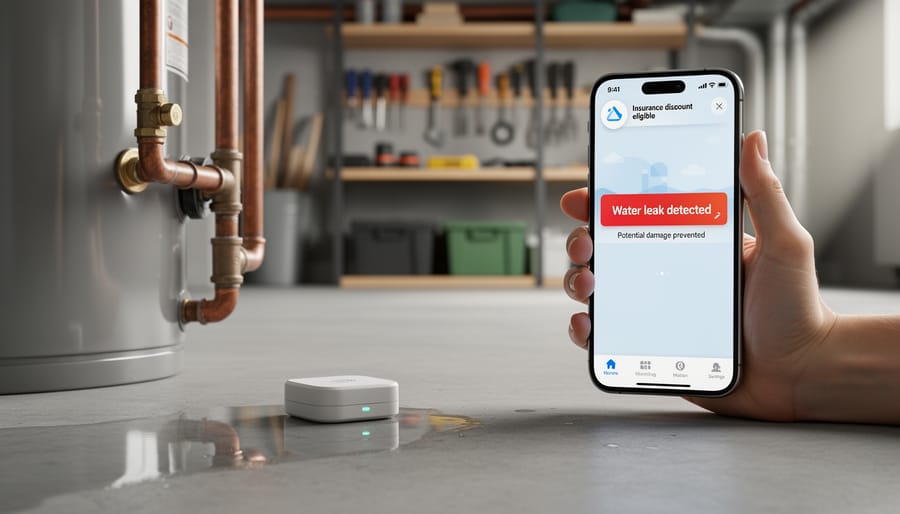
Smart monitoring systems represent another powerful discount opportunity. Installing water leak detectors, temperature sensors, and smart shutoff valves can reduce premiums by 5% to 15%. Many insurers now partner with technology providers to offer these devices at reduced costs or even free, recognizing that early detection prevents catastrophic losses.
LEED certification opens doors to substantial savings, with some commercial property insurers offering up to 25% discounts. Even residential LEED-certified homes can access 10% to 20% reductions. The certification demonstrates comprehensive climate resilience, from water efficiency to sustainable materials that withstand extreme weather.
To qualify for these benefits, start by contacting your insurance provider directly and requesting their climate-resilience discount programs. Document all existing resilient features with photographs and receipts. For new upgrades, obtain quotes from certified contractors and ask about insurance-approved products. Submit certification documents promptly after installation—many insurers apply discounts retroactively to your policy effective date.
Some insurers also offer premium reductions for backup power systems (5% to 10%), hurricane shutters (10% to 20%), and elevated structures in flood zones (up to 30%). The key is asking specifically about each feature and bundling multiple upgrades for maximum savings.
Parametric Insurance: The New Frontier for Climate Risk
Traditional property insurance follows a familiar pattern: disaster strikes, adjusters visit your property, damage gets assessed, and eventually you receive payment. But what if there was a faster, more predictable way to get financial relief after a climate event?
Enter parametric insurance, a game-changing approach that’s revolutionizing how property owners protect themselves from climate risks. Unlike conventional policies that pay based on actual damage, parametric insurance triggers automatic payouts when predetermined weather conditions occur. Think of it as setting a threshold: if wind speeds exceed 100 mph or rainfall surpasses 8 inches in 24 hours, your payment processes immediately, no claims adjuster required.
This speed matters enormously when you’re dealing with climate disasters. Instead of waiting weeks or months for traditional claims processing, parametric policies can deposit funds within days of a triggering event. That rapid cash flow helps property owners cover immediate expenses like temporary housing, emergency repairs, or business interruption costs while traditional insurance claims work through the system.
The real innovation lies in how these products complement standard homeowners policies. Traditional coverage handles your actual property damage and replacement costs, while parametric insurance fills the gaps, covering deductibles, lost rental income, or expenses that fall outside conventional policy limits. For properties with climate-resilient infrastructure, this dual approach creates a comprehensive safety net that addresses both physical damage and financial disruption, making your overall risk management strategy significantly more robust and responsive.
Essential Climate-Resilient Features That Lower Your Insurance Costs
High-Impact Upgrades for Every Budget
Climate resilience doesn’t require breaking the bank—strategic improvements at every price point can reduce your insurance premiums while protecting your property investment.
Low-Cost Solutions ($500-$2,000)
Start with impact-resistant vents, which prevent wind-driven rain from entering your home during storms. These typically cost $500-$1,200 installed and can reduce wind damage claims by up to 30%. Window film is another budget-friendly option at $5-$15 per square foot. While it won’t stop a flying tree branch, it holds shattered glass together, reducing interior damage and potentially lowering premiums by 3-5%.
Mid-Range Investments ($5,000-$25,000)
Hurricane shutters or impact-resistant windows represent a significant upgrade, costing $10,000-$25,000 for an average home. Expect insurance savings of 10-15% annually, with payback periods of 7-10 years. Storm-rated garage doors ($2,000-$5,000) prevent catastrophic pressure changes that can blow off roofs—a feature insurers increasingly reward with premium discounts of 5-8%.
Major Infrastructure Upgrades ($50,000+)
Foundation elevation or home lifting ($50,000-$150,000) dramatically reduces flood risk and can slash flood insurance costs by 50-80%. In high-risk zones, this investment often pays for itself within 10-15 years. Reinforced roofing systems with hurricane straps and upgraded sheathing ($15,000-$40,000) can earn you a fortified home designation, unlocking premium reductions of 20-40%. Some insurers offer specialized green home insurance benefits for resilient upgrades that also improve energy efficiency.
Document all improvements with receipts and photos—this evidence proves your property’s enhanced resilience and strengthens negotiations with insurers. Many upgrades qualify for local grants, tax credits, or insurance company rebates, effectively reducing your out-of-pocket costs by 15-25%.
Smart Technology That Insurers Actually Care About
Insurers aren’t impressed by flashy smart home gadgets, but they do pay attention to technologies that genuinely reduce risk. Understanding which systems earn premium discounts can save you 5-20% annually while protecting your investment.
Water leak detection systems top the list of insurer-approved technology. Devices like Flo by Moen or Phyn Plus monitor water flow 24/7, automatically shutting off supply when they detect anomalies. Since water damage accounts for nearly 29% of all homeowners insurance claims, insurers often provide immediate discounts of 5-10% for professionally installed systems. Some carriers even mandate these devices for properties in high-risk areas.
IoT sensors that monitor environmental conditions are gaining traction with major insurers. Temperature and humidity sensors prevent freeze damage and mold growth, while vibration sensors can detect foundation shifts before they become catastrophic. The key is choosing systems that provide real-time alerts and maintain 24/7 monitoring, not just smartphone-connected devices you check occasionally.
Wind and structural monitoring systems earn recognition in hurricane and tornado-prone regions. Pressure sensors and accelerometers can detect unusual structural stress, providing early warning of potential failure. While less common than water sensors, some regional insurers offer premium reductions for comprehensive monitoring systems.
The critical factor insurers consider is professional installation with central monitoring. DIY systems rarely qualify for discounts because insurers need reliable data and guaranteed response protocols. When shopping for smart technology, contact your insurer first to understand their specific requirements and approved vendor lists. Documentation and annual maintenance records are essential for maintaining your premium discounts.
Financing Climate-Resilient Upgrades: Loans, Credits, and Incentives
Government Programs and Tax Benefits You’re Missing
Making your property climate-resilient doesn’t have to drain your bank account. In fact, numerous government programs exist to offset these costs, and many property owners leave thousands of dollars on the table simply because they’re unaware of what’s available.
At the federal level, the Inflation Reduction Act offers substantial tax credits for climate adaptation improvements. Homeowners can claim up to 30% of costs for energy-efficient upgrades like solar panels, wind turbines, and geothermal systems through 2032. The Energy Efficient Home Improvement Credit covers items like storm-resistant windows, doors, and insulation, with annual limits up to $3,200. For investment properties, accelerated depreciation schedules can provide significant tax advantages for qualifying resilience upgrades.
FEMA’s Building Resilient Infrastructure and Communities (BRIC) program allocates funds to state and local governments for community-wide adaptation projects. While these are competitive grants typically accessed through municipalities, individual property owners benefit indirectly through improved neighborhood infrastructure, which can lower insurance premiums.
State programs vary considerably. Coastal states like Florida and California offer additional incentives for hurricane-resistant construction and wildfire mitigation. Many states provide low-interest loans or property tax abatements for flood-proofing measures.
To access these benefits, start by checking the Database of State Incentives for Renewables and Efficiency (DSIRE) for your location-specific programs. Most federal tax credits require IRS Form 5695, while state programs typically involve applications through your state’s energy office. Keep detailed documentation of all improvements, including receipts and contractor certifications. Many insurance carriers will reduce premiums once you provide proof of completed resilience upgrades, creating a double financial benefit.
Working With Insurers: How to Document and Leverage Your Resilient Infrastructure
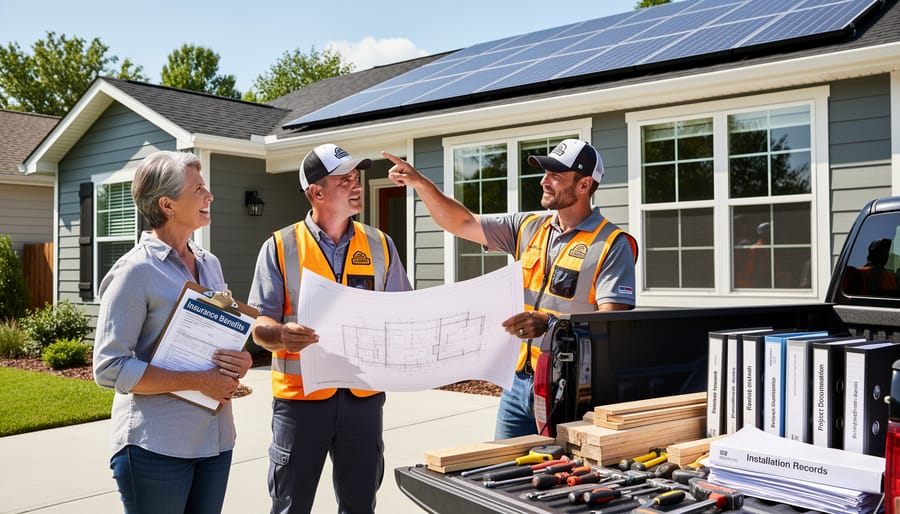
When you’ve invested in climate-resilient upgrades, you want your insurance company to know about it. The key is creating a clear paper trail that demonstrates your property’s enhanced protection. Start by gathering all documentation from your infrastructure improvements, including contractor invoices, engineering reports, and product specifications for impact-resistant windows, flood barriers, or upgraded roofing systems.
Next, obtain relevant certifications that insurance companies recognize. Organizations like FORTIFIED Home or IBHS (Insurance Institute for Business & Home Safety) offer third-party verification programs that carry weight with insurers. These certifications provide standardized proof that your property meets specific resilience criteria, making it easier for underwriters to justify premium reductions.
Before approaching your insurer, photograph all improvements and compile a comprehensive portfolio. Include before-and-after images, material specifications, and any warranty information. If your upgrades were part of a larger project, reference your home renovation planning documents to show the scope of work completed.
When requesting a policy review, schedule a meeting with your insurance agent rather than simply submitting documents online. Walk them through each improvement, explaining how it specifically reduces climate-related risks. For example, if you’ve installed a backup generator, emphasize how it prevents water damage from sump pump failures during power outages.
Don’t accept the first response. If your current insurer won’t adjust premiums significantly, obtain quotes from competitors who specialize in resilient properties. Some insurers have dedicated programs for fortified homes and actively seek these lower-risk clients. Armed with competitive quotes, you’ll have leverage to negotiate better terms, whether that means lower premiums, reduced deductibles, or expanded coverage options.
Future-Proofing Your Real Estate Portfolio
Smart investors and homeowners know that yesterday’s climate data won’t protect tomorrow’s properties. As weather patterns shift and extreme events become more frequent, your real estate portfolio needs a strategy that looks beyond current conditions.
Start by incorporating forward-looking climate risk assessments into your property evaluation process. Modern climate models now project conditions 30-50 years out, showing you potential flood zones, wildfire corridors, and heat islands that don’t exist today. Organizations like the First Street Foundation and Climate Check offer property-specific reports that reveal what the next few decades might bring. These aren’t crystal balls, but they’re far more reliable than assuming the past predicts the future.
When evaluating new acquisitions, ask the tough questions: Will this coastal property face regular flooding by 2050? How will rising temperatures affect cooling costs and infrastructure stress? Properties in climate-vulnerable areas might look like bargains today but could become insurance nightmares or unsellable assets within a decade.
Building resilience into your investment strategy means diversifying geographically based on climate risk, not just market performance. Consider allocating funds toward climate-adaptive upgrades across your portfolio. Elevated foundations, advanced drainage systems, and fire-resistant materials aren’t just defensive measures, they’re value adds that appeal to increasingly climate-conscious buyers.
The bottom line: Climate resilience isn’t an expense; it’s a competitive advantage. Properties equipped to handle tomorrow’s challenges will command premium prices while others languish on the market. Your future self will thank you for thinking ahead.
Climate-resilient infrastructure isn’t just about weathering the next storm—it’s about positioning your property for financial success in an increasingly unpredictable world. The dual benefit is clear: enhanced protection against climate events paired with tangible financial advantages through reduced insurance premiums, higher property values, and improved marketability. In today’s real estate landscape, resilience has evolved from a precautionary measure into a genuine competitive advantage.
Property owners who invest in climate-resilient upgrades are already seeing the returns. Insurance companies are taking notice, offering premium discounts that can offset improvement costs within just a few years. Meanwhile, buyers and tenants increasingly prioritize properties with proven resilience features, translating directly into market premiums and faster transaction times. The question isn’t whether to invest in resilience, but rather how quickly you can position your property ahead of the curve.
Your next steps are straightforward and actionable. Start with a comprehensive property risk assessment to identify your specific vulnerabilities—whether that’s flood exposure, wildfire risk, or wind damage potential. Many insurance providers offer free or low-cost assessments as part of their risk management services. From there, prioritize upgrades based on both risk severity and potential insurance savings. Even modest improvements like storm shutters or backflow valves can qualify you for premium reductions while you plan larger investments.
Remember that financing options, from green mortgages to resilience bonds, make these improvements more accessible than ever. The properties that thrive in tomorrow’s market will be those that prepare today. Climate resilience isn’t just smart risk management—it’s strategic real estate investment that protects both your property and your bottom line.