
Environmental liabilities hiding in your investment property can cost hundreds of thousands in cleanup expenses, legal fees, and lost rental income—yet most real estate investors remain dangerously underinsured against these risks. An environmental insurance broker specializes in identifying pollution exposures specific to property investments and securing coverage that standard commercial policies exclude or severely limit.
Unlike traditional insurance agents who handle basic property coverage, environmental insurance brokers possess deep expertise in assessing contamination risks from underground storage tanks, asbestos, lead paint, mold, and soil pollution. They navigate the complex landscape of environmental liability policies, pollution legal liability insurance, and remediation cost coverage to protect your real estate portfolio from catastrophic financial exposure.
The stakes are particularly high because environmental claims typically involve mandatory cleanup requirements regardless of fault. A previous owner’s actions, neighboring property contamination, or undiscovered hazards can trigger your liability as the current property owner. Standard general liability and property insurance policies contain absolute pollution exclusions, leaving investors vulnerable without specialized coverage.
Environmental insurance brokers serve as your risk management partner, conducting thorough site assessments, securing competitive quotes from specialty carriers, and structuring policies that align with your specific property types and investment strategy. Whether you’re acquiring a former commercial site, managing multifamily properties built before 1978, or developing brownfield locations, these specialists ensure you’re protected against environmental surprises that could derail your investment returns and trigger personal liability exposure.
What an Environmental Insurance Broker Actually Does
Beyond Standard Property Insurance
Standard property insurance policies are designed to cover common perils like fire, theft, and weather damage, but they typically exclude environmental hazards—and that’s where many property owners find themselves dangerously exposed. When it comes to risks like soil contamination from previous industrial use, asbestos lurking in older buildings, mold growth from hidden water damage, or leaking underground storage tanks, your traditional policy often provides little to no coverage.
This gap exists because environmental risks are considered gradual, pollution-related events rather than sudden accidents. Insurers view these issues as predictable consequences of property use or aging infrastructure, not unforeseen disasters. For real estate investors, this exclusion can be financially devastating. Discovering contaminated soil during a property sale could derail the transaction entirely, while asbestos remediation costs can easily run into six figures.
The financial exposure doesn’t stop at cleanup costs either. You might face third-party liability claims from neighbors affected by contamination, regulatory fines for environmental violations, and significant delays in property development or sale. This is precisely where environmental insurance brokers become invaluable, connecting property owners with specialized coverage that fills these critical protection gaps.
The Specialized Knowledge That Protects Your Investment
Environmental insurance brokers bring specialized technical knowledge that goes far beyond standard insurance expertise. These professionals maintain deep familiarity with Environmental Protection Agency (EPA) regulations, including the Comprehensive Environmental Response, Compensation, and Liability Act (CERCLA), which can hold property owners liable for contamination they didn’t cause. They understand how Superfund sites operate and what triggers regulatory action.
State-specific environmental laws add another layer of complexity. Requirements vary dramatically between jurisdictions—what’s acceptable remediation in Texas might not meet California’s stricter standards. Your broker navigates these variations daily, ensuring your coverage aligns with local regulations and potential liability exposure.
Perhaps most valuable is their awareness of emerging contamination risks. While asbestos and lead paint are well-known concerns, environmental brokers track newer threats like PFAS chemicals (forever chemicals), vapor intrusion from nearby industrial sites, and groundwater migration patterns. They understand how these evolving risks affect property values and insurance needs, helping you anticipate problems before they become financial disasters. This forward-looking approach transforms insurance from reactive protection into proactive risk management for your real estate portfolio.
Environmental Risks Lurking in Your Investment Properties
Pre-Existing Contamination: The Silent Portfolio Killer
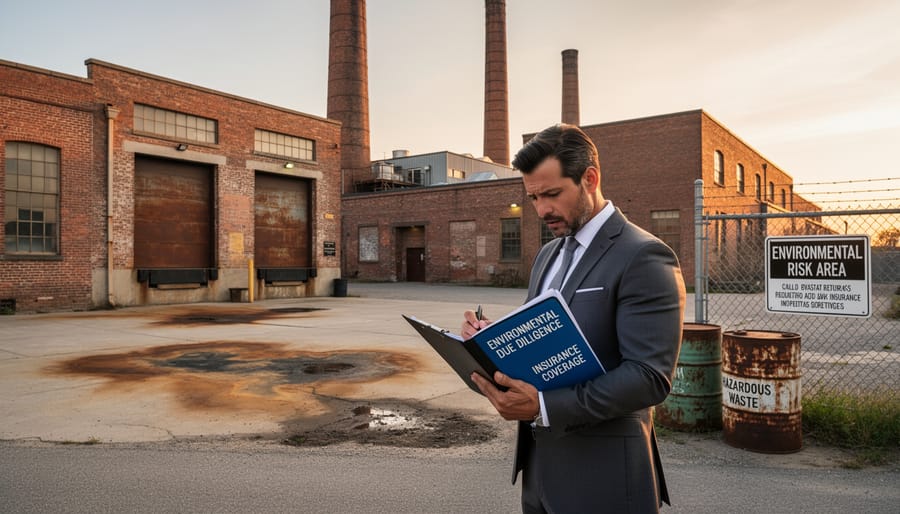
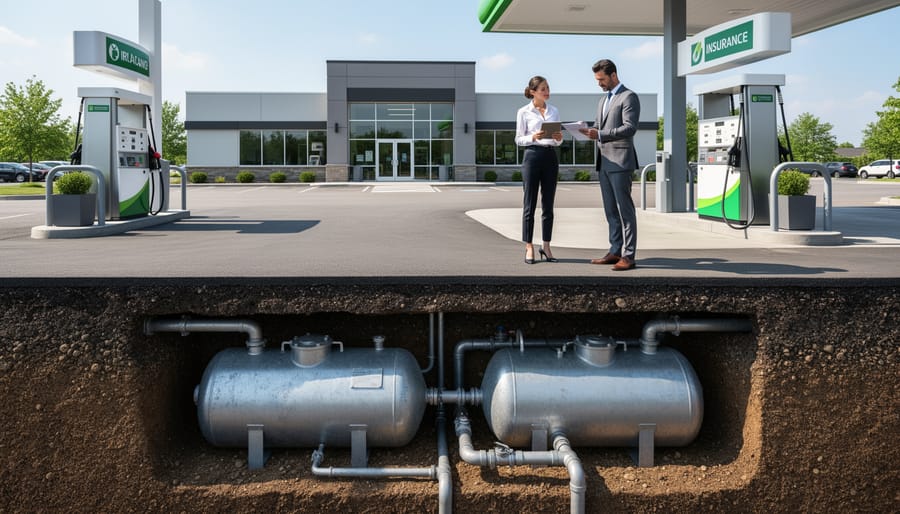
Here’s the hidden danger many investment property buyers overlook: contamination that existed long before they ever signed the purchase agreement. Underground storage tanks from defunct gas stations, industrial chemicals seeped into soil decades ago, or asbestos from previous manufacturing operations can remain undetected during standard property inspections. These environmental time bombs often surface years after purchase, triggering cleanup costs that can easily reach six or seven figures.
Consider this scenario: You acquire a seemingly pristine commercial building, only to discover during renovation that the previous tenant operated a dry-cleaning business that leaked toxic solvents into the ground. Suddenly, you’re facing mandatory remediation expenses and potential third-party liability claims from neighboring properties. This is where comprehensive property risk management becomes essential.
An environmental insurance broker specializes in identifying these pre-existing contamination risks and structuring pollution legal liability policies that protect against both known and unknown conditions. They understand that legacy issues don’t disappear with ownership transfers—they simply wait for the next unsuspecting investor to uncover them, often at the worst possible financial moment.
Emerging Environmental Threats
The environmental risk landscape is evolving rapidly, presenting property investors with challenges that weren’t on the radar even a decade ago. PFAS contamination, often called “forever chemicals,” has emerged as a particularly troubling concern. These synthetic compounds, once widely used in firefighting foam and industrial applications, persist in soil and groundwater indefinitely. Properties near airports, military bases, or manufacturing facilities face heightened exposure, and cleanup costs can easily exceed millions of dollars.
Climate change is reshaping traditional environmental threats as well. Increased flooding leads to more fuel tank ruptures and chemical spills, while extreme weather events can damage aging infrastructure containing hazardous materials. Properties in coastal or flood-prone areas now carry dual risks: physical damage and environmental contamination.
The regulatory environment continues to tighten across jurisdictions. Stricter disclosure requirements mean buyers are conducting more thorough environmental assessments, potentially uncovering historical contamination that becomes the seller’s liability. Additionally, emerging regulations around carbon emissions and wetland protections create new compliance obligations that environmental insurance brokers must factor into coverage recommendations. These evolving risks underscore why working with a knowledgeable broker has become essential for protecting your real estate investments.
The True Cost of Environmental Cleanup
Environmental cleanup costs can quickly eclipse your property’s value if left unaddressed. A typical underground storage tank removal ranges from $10,000 to $50,000, while soil remediation for petroleum contamination can easily reach $150,000 to $500,000. Asbestos abatement in a small commercial building often runs $15,000 to $30,000, but larger properties may face bills exceeding $200,000.
Legal defense costs add another layer of expense. Even if you’re not at fault, defending against environmental claims averages $75,000 to $150,000 before reaching settlement. Third-party claims from neighboring properties experiencing contamination migration can demand settlements ranging from $100,000 to several million dollars, depending on damages.
For a modest residential rental property, discovering lead paint issues might cost $5,000 to $25,000 to remediate. However, a former gas station converted to retail space could trigger cleanup costs exceeding $1 million. These aren’t worst-case scenarios but real numbers investors face regularly, making proper environmental insurance coverage essential rather than optional.
Types of Environmental Risk Insurance for Investment Properties
Pollution Legal Liability Insurance
Pollution Legal Liability Insurance stands out as one of the most comprehensive environmental coverage options available to property investors. This policy tackles contamination issues head-on, covering cleanup costs when pollutants are discovered on your property—whether the contamination occurred before you purchased the site or developed afterward during your ownership.
What makes this coverage particularly valuable is its three-pronged protection approach. First, it handles the substantial expenses of actually removing or remediating contamination, which can easily reach six or seven figures depending on the pollutant type and extent. Second, it shields you from third-party claims when contamination migrates off your property and affects neighboring sites or individuals. Third, it covers legal defense costs, which accumulate quickly even when you’re not ultimately found liable.
The real game-changer for real estate investors is that many PLL policies can cover pre-existing contamination—conditions that existed before your policy inception—provided you’ve conducted proper environmental assessments and disclosed known issues. This feature transforms potentially unmarketable properties into viable investment opportunities, opening doors to brownfield redevelopment and distressed property acquisitions that competitors might avoid.
Environmental Impairment Liability Insurance
Environmental Impairment Liability Insurance addresses one of the most overlooked risks in real estate investment: gradual pollution events that develop over time. Unlike sudden environmental disasters, these incidents unfold slowly—think leaking underground storage tanks, soil contamination from historical industrial use, or chemical seepage from neighboring properties. For property investors, this coverage is essential because standard property policies typically exclude pollution-related damages entirely.
This insurance protects against tenant-caused contamination scenarios that can devastate your investment returns. When a commercial tenant improperly disposes of chemicals or a residential tenant creates mold conditions through negligence, cleanup costs can quickly reach six figures. Environmental Impairment Liability coverage steps in to handle remediation expenses, legal defense costs, and third-party bodily injury claims resulting from the contamination.
The coverage operates on a claims-made insurance basis, meaning incidents must be discovered and reported during the active policy period. This structure addresses long-tail environmental risks—problems that may not surface until years after the initial contamination occurred. Real estate investors purchasing older properties or buildings with previous industrial uses should prioritize this coverage, as environmental cleanup obligations often follow property ownership regardless of who caused the original contamination.
Secured Creditor and Lender Liability Protection
When you’re a lender facing foreclosure on a property or working through a loan restructuring, discovering environmental contamination can turn an already challenging situation into a financial nightmare. That’s where secured creditor and lender liability protection becomes essential—think of it as your safety net when taking possession of environmentally compromised properties.
These specialized policies protect financial institutions and investors from becoming responsible for cleanup costs simply because they’ve foreclosed on a contaminated property or taken ownership through a workout arrangement. Under federal and state environmental laws, property owners can inherit liability for existing contamination, even if they didn’t cause it. For lenders, this creates a serious dilemma: foreclose and potentially face massive remediation bills, or walk away from the collateral entirely.
Secured creditor policies typically cover cleanup costs, third-party claims, and legal defense expenses that arise after you’ve taken ownership. They’re particularly valuable in situations involving industrial properties, former gas stations, or commercial sites with unknown environmental histories. The coverage kicks in when standard foreclosure protections fall short, ensuring that your decision to recover collateral doesn’t expose you to liabilities exceeding the property’s value.
Environmental insurance brokers specializing in lender protection understand the unique timeline pressures of foreclosure proceedings and can structure policies that activate precisely when you need them, protecting your institution’s balance sheet from unexpected environmental exposures.
When to Bring in an Environmental Insurance Broker
During Property Acquisition and Due Diligence
Environmental insurance brokers become invaluable partners during the property acquisition phase, when environmental risks can make or break a deal. When you receive Phase I Environmental Site Assessments—those initial desktop studies that review property history and potential contamination sources—brokers analyze the findings to identify coverage gaps and liability exposures that might not be obvious to the untrained eye.
If Phase I assessments reveal recognized environmental conditions requiring further investigation, brokers help interpret Phase II results, which involve actual soil and groundwater testing. They translate technical data about contaminant levels and remediation costs into actionable insurance recommendations. This expertise proves critical when negotiating purchase agreements, as brokers can structure pollution legal liability policies or cost cap insurance that protects buyers from unknown contamination discovered post-closing.
Timing matters significantly here. Engaging a broker early in due diligence—ideally before environmental assessments begin—ensures you have adequate coverage options structured before closing deadlines pressure your decision-making. Brokers can also facilitate policies that allow transactions to proceed even when environmental issues surface, providing lenders and sellers the security they need while protecting your investment from potentially catastrophic cleanup costs.
For Portfolio Management and Existing Holdings
Environmental risks don’t stand still, and neither should your insurance coverage. As your investment properties age, undergo renovations, or face changing environmental regulations, your protection needs evolve. This is where an environmental insurance broker becomes an invaluable ongoing partner, not just a one-time consultant.
Regular portfolio reviews—ideally conducted annually—help identify emerging exposures before they become costly problems. Your broker tracks regulatory changes that might affect your properties, from updated flood zone maps to new contamination reporting requirements. They’ll also monitor your existing policies to ensure coverage limits remain adequate as property values appreciate.
When you acquire new properties or sell existing ones, your broker adjusts your coverage portfolio accordingly. They can recommend policy modifications if you renovate older buildings where asbestos or lead paint might be disturbed, or if you’re adding properties in areas with different environmental risk profiles. This proactive approach prevents coverage gaps that could leave you exposed to significant financial liability down the road.
Before Property Disposition or Refinancing
Securing environmental insurance before selling or refinancing an investment property can dramatically streamline these transactions. Buyers and lenders naturally hesitate when environmental concerns surface during due diligence—even minor issues like old underground storage tanks or historical industrial use can derail deals or reduce property valuations. An environmental insurance policy directly addresses these concerns by transferring risk away from all parties involved.
When you present a property with existing environmental coverage, you’re essentially offering buyers and lenders peace of mind. They know that if contamination surfaces post-transaction, the insurance policy handles remediation costs rather than forcing them into expensive legal battles or cleanup projects. This assurance often translates into faster closing timelines, as lenders can expedite their underwriting process without extensive environmental contingencies.
Additionally, properties with environmental insurance typically command better financing terms. Lenders view insured properties as lower-risk investments, which can result in more favorable interest rates and loan-to-value ratios. For sellers, this insurance can justify higher asking prices by demonstrating proactive risk management—a compelling selling point in competitive markets.

How to Choose the Right Environmental Insurance Broker
Essential Credentials and Experience to Look For
When evaluating an environmental insurance broker, prioritize those holding specialized certifications like the Certified Insurance Counselor (CIC) designation with environmental risk specialization or the Registered Environmental Property Professional (REPP) credential. These qualifications demonstrate deep knowledge of pollution liability, remediation costs, and regulatory compliance—critical areas that generalist insurance agents simply don’t navigate regularly.
Look for brokers with at least five years of experience specifically in environmental coverage for real estate transactions. Their track record should include successfully placing policies for properties with known contamination issues, brownfield developments, or historical industrial uses. Ask potential brokers about their carrier relationships—top environmental specialists maintain connections with multiple insurers who actually underwrite pollution policies, not just standard property coverage.
A qualified broker should readily provide case studies demonstrating how they’ve helped clients navigate Phase I and Phase II environmental assessments, secured coverage despite adverse findings, and negotiated policy terms during complex real estate closings. They should also stay current on changing EPA regulations and state-specific environmental laws that impact your investment properties. Request references from other real estate investors or developers who’ve worked with them on similar property types to verify their expertise translates into real-world results.
Questions Every Investor Should Ask
Before signing with an environmental insurance broker, savvy investors should ask targeted questions to ensure they’re getting the expertise they need. Start by inquiring about their carrier relationships: Do they work with multiple insurance companies, and which carriers specialize in environmental coverage for investment properties? This reveals whether you’ll receive competitive quotes or be steered toward a single provider.
Next, dig into their claims experience. Ask how many environmental claims they’ve handled in the past year and what percentage were successfully resolved. A broker with a strong track record can navigate complex contamination claims more effectively, potentially saving you thousands in coverage disputes.
Property-type specialization matters significantly. Does the broker have specific experience with your investment category, whether that’s multifamily housing, commercial retail, or industrial properties? Different property types carry unique environmental risks, from underground storage tanks at gas stations to lead paint in older residential buildings.
Finally, clarify their fee structure upfront. Some brokers earn commissions from carriers, while others charge direct fees or use a hybrid model. Understanding how they’re compensated helps you assess potential conflicts of interest and budget accordingly. Transparent brokers will explain their compensation without hesitation.
The Real ROI of Environmental Insurance for Investment Properties
Environmental insurance isn’t just another line item on your property expense sheet—it’s a strategic financial tool that can significantly impact your bottom line. For investment property owners, the real return on investment becomes clear when you consider what you stand to lose without coverage versus the relatively modest premium costs.
Let’s break down the numbers. The average environmental insurance policy for a commercial property costs between $2,500 and $7,500 annually, depending on property size and risk profile. Meanwhile, remediation costs for even minor soil contamination typically start at $50,000 and can easily escalate into the hundreds of thousands. A single underground storage tank removal and cleanup can run $100,000 or more.
Consider a real-world scenario: A property investor purchased a former gas station site for redevelopment. Despite a clean Phase I assessment, construction crews discovered unexpected soil contamination. The investor’s environmental insurance policy covered $275,000 in cleanup costs and $45,000 in legal fees. Without coverage, this discovery would have transformed a promising deal into a financial disaster, potentially forcing the sale of other assets to cover remediation.
Beyond direct cost avoidance, environmental insurance enhances property value in measurable ways. Lenders often offer better financing terms for insured properties, reducing borrowing costs by 25 to 50 basis points. Properties with environmental coverage also sell faster and command premium prices—typically 3 to 5 percent higher than comparable uninsured properties.
When integrated with comprehensive investment strategies, environmental insurance becomes a value multiplier rather than merely a protective expense. The coverage transforms potential liabilities into manageable risks, allowing investors to pursue opportunities that competitors might avoid, ultimately expanding your acquisition universe and competitive advantage.
Environmental risks aren’t disappearing—they’re evolving and expanding. Climate change, aging infrastructure, and stricter regulations mean that today’s investment properties face environmental exposures that simply didn’t exist a generation ago. Hoping these issues won’t affect your portfolio isn’t a strategy; it’s a gamble with potentially devastating financial consequences.
Working with a specialized environmental insurance broker isn’t just about buying a policy—it’s a strategic investment decision that protects your assets, enhances property values, and demonstrates due diligence to lenders and partners. These professionals bring specialized knowledge that general insurance agents simply can’t match, helping you identify hidden risks before they become costly liabilities.
Take action today by thoroughly assessing your current portfolio’s environmental exposure. Review your existing insurance coverage with fresh eyes, considering the specific risks we’ve discussed—from contaminated soil and underground storage tanks to flood zones and asbestos. Then, schedule a consultation with a qualified environmental insurance broker who understands real estate investments. The cost of this expertise is minimal compared to the financial protection and peace of mind it delivers. Your properties deserve specialized protection in an increasingly complex risk landscape.