
Download a comprehensive power outage emergency response plan template immediately and customize it within 24 hours—not next week when Public Safety Power Shutoffs (PSPS) are announced with minimal warning. Property owners in California’s fire-prone regions face average PSPS events lasting 24-48 hours, with some extending beyond five days, making documented emergency protocols essential for protecting both physical assets and property values.
Create your plan by identifying critical systems requiring backup power: security systems, sump pumps, refrigeration units, and medical equipment. Document specific generator capacities needed, fuel storage locations, and manual override procedures for automated systems. Properties lacking documented emergency protocols face 23% higher insurance premiums in high-fire-risk zones, as carriers increasingly scrutinize preparedness measures during underwriting.
Establish communication chains connecting property managers, tenants, insurance agents, and local emergency services. Include contact information for utility providers, backup power suppliers, and restoration contractors. Real estate portfolios with verified emergency plans demonstrate risk mitigation to insurers, qualifying for potential premium reductions of 12-18% annually.
Integrate your power outage response into broader wildfire preparedness documentation, creating a defensible space plan that addresses ember protection, evacuation routes, and asset inventory documentation. Properties with comprehensive emergency planning sell 8-15% faster in fire-prone markets, as buyers recognize reduced insurance costs and operational disruptions.
Store digital copies across multiple cloud platforms and maintain physical versions in fireproof safes both on-site and off-site. Review and update quarterly, incorporating lessons from regional PSPS events and changing property conditions. This living document transforms from compliance paperwork into genuine asset protection—safeguarding property investments that represent decades of financial planning.
Understanding PSPS and Wildfire-Related Power Outages
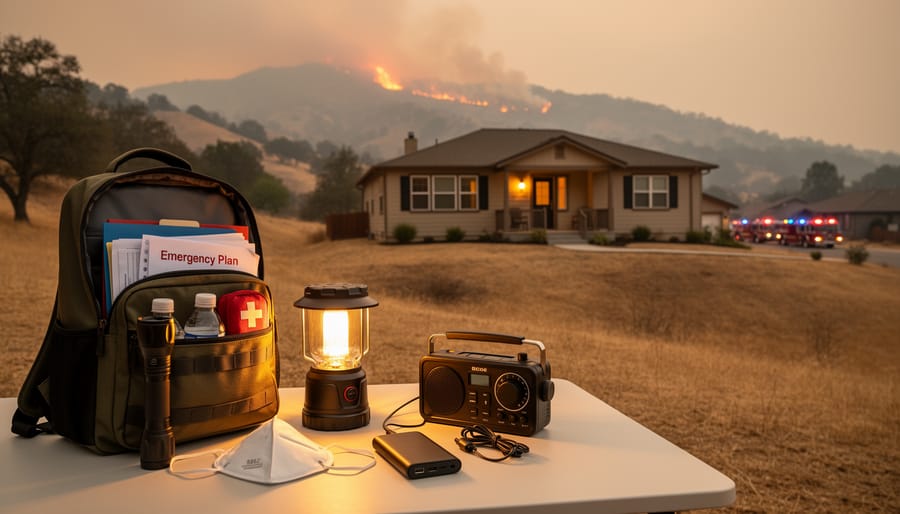
Why Utility Companies Cut Power During Fire Conditions
Public Safety Power Shutoffs aren’t arbitrary decisions—they’re calculated risk management strategies triggered by specific meteorological conditions. Utility companies monitor a combination of factors including wind speeds exceeding 25-30 mph, humidity levels dropping below 20%, and extremely dry vegetation. When these elements align, even a minor equipment malfunction or contact between power lines and vegetation can spark catastrophic wildfires.
The liability component is equally significant for property owners to understand. After California utilities faced billions in wildfire-related damages, including the devastating Camp Fire settlement, companies now err on the side of caution. This protective measure directly impacts your property’s insurability and value. Most PSPS events last 24-48 hours, though restoration depends on post-event inspections to ensure safe operation.
For real estate investors and homeowners, understanding these triggers helps with strategic planning. Properties in high-risk zones may face 3-5 PSPS events annually during peak fire season (typically May through November). This reality affects rental income projections, property valuations, and insurance premiums. Forward-thinking property owners integrate backup power solutions and comprehensive emergency plans, transforming potential liabilities into competitive advantages when marketing or insuring their investments.
The Real Estate Impact of PSPS-Prone Areas
Living in a PSPS-prone area comes with financial implications that extend beyond your emergency supply budget. Property values in frequent outage zones have shown measurable impacts, particularly as buyers become more sophisticated about assessing long-term utility reliability. While properties in desirable California locations still command premium prices, homes with documented PSPS histories may see slower appreciation rates compared to similar properties in more stable grid areas.
Insurance premiums represent another growing concern. Carriers are increasingly factoring PSPS frequency into their risk assessments, which can translate to higher homeowners insurance costs or even coverage denials in extreme cases. Some insurers now specifically ask about backup power systems during underwriting, and having a comprehensive emergency response plan documented can potentially help negotiate better rates.
Disclosure requirements vary by state, but California sellers must inform buyers about material facts affecting property value, which includes repeated power shutoffs. Smart buyers now request PSPS history reports during due diligence, making transparency essential. For homeowners, investing in mitigation measures like whole-house generators, solar plus battery systems, or hardened landscaping isn’t just about comfort during outages. These improvements create documented value that appeals to informed buyers and demonstrates proactive risk management to insurers, potentially offsetting some of the financial drawbacks of location.
Essential Components of Your Power Outage Emergency Response Plan
Communication Protocols and Contact Information
Having a solid communication framework can mean the difference between chaos and coordinated action during a power outage. Start by compiling a master contact list that includes your electric utility company’s outage hotline, homeowner’s insurance provider, local fire department, and if applicable, your property management company. Store this information both digitally and in hard copy format—remember, your phone might not be charged when you need it most.
For families, establish a clear communication plan before an outage occurs. Designate an out-of-state contact person who can serve as a central hub for family members to check in, particularly useful during widespread emergencies when local networks may be overwhelmed. Text messages often work when voice calls don’t, so agree on this as your primary method.
Property managers and real estate investors should implement tenant notification systems. This might include emergency phone trees, email alerts, or text-based platforms that can quickly disseminate information about outage duration, safety protocols, and available resources. Many utility companies now offer outage alert systems via text or app—sign up in advance to receive real-time updates about restoration timelines, which you can then relay to tenants or family members, maintaining trust and reducing anxiety during stressful situations.
Property-Specific Risk Assessment
Start by cataloging every system in your property that depends on electricity—this inventory becomes your vulnerability map during outages. Critical items include sump pumps that prevent flooding, refrigeration units storing medications or perishables, medical equipment like CPAP machines or oxygen concentrators, and security systems that protect your investment. Document each item’s power requirements, backup options, and potential failure consequences.
Map all property access points, including driveways, gates, and emergency vehicle turnarounds. Measure gate widths to ensure they accommodate fire trucks (typically 10 feet minimum), and note which access routes remain usable during power failures if you have electric gates. This information proves invaluable when coordinating with emergency responders.
Evaluate defensible space around your structure—the buffer zone that slows wildfire spread. Document current vegetation clearance within 100 feet of buildings, noting areas needing improvement. Include photographs and measurements in your response plan. From an insurance perspective, maintaining proper defensible space often qualifies you for premium discounts while demonstrably reducing your property’s risk profile. This documentation also serves as evidence of due diligence should you ever file a claim.
Backup Power Solutions and Equipment Inventory
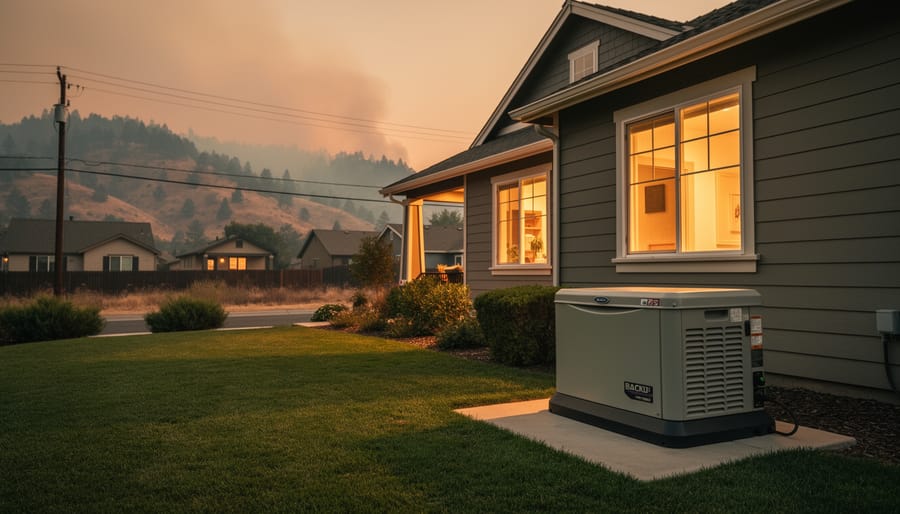
Reliable backup power is essential for protecting your property during extended outages, especially in wildfire-prone regions. Portable generators (3,000-7,500 watts) can power essential appliances and cost $400-$1,500, while whole-house standby generators ($3,000-$15,000) automatically activate when grid power fails. Battery backup systems like Tesla Powerwall or LG Chem provide quiet, emission-free alternatives, particularly valuable when air quality deteriorates during wildfires. Solar panels paired with battery storage offer long-term resilience and may increase property values by 4-6%.
Maintain a comprehensive equipment inventory documenting all backup power systems, including purchase dates, serial numbers, and receipts. This inventory proves invaluable for insurance claims if equipment is damaged or destroyed during a wildfire event. Many insurers offer premium discounts for properties equipped with home wildfire defense systems and emergency power solutions. Keep digital copies of all documentation in cloud storage alongside your emergency response plan. Regular maintenance schedules—testing generators monthly and replacing fuel stabilizers quarterly—ensure equipment functions properly when needed most, protecting both your property investment and personal safety.
Financial and Insurance Documentation
When the lights go out, your financial safety net shouldn’t go dark too. Keeping critical financial and insurance documents accessible during extended power outages is essential for protecting your property investment.
Start by creating a waterproof, fireproof document kit that includes copies of your homeowner’s insurance policy, mortgage statements, property deed, and recent tax records. Store these in a grab-and-go container along with digital backups on a USB drive. This preparation becomes invaluable if you need to file claims quickly or prove ownership during evacuations.
Before any outage occurs, document your property’s condition thoroughly. Take dated photos and videos of your home’s exterior, interior, and valuable assets. This visual evidence establishes a baseline for insurance claims related to spoiled food, equipment damage from power surges, or fire-related losses. Update this documentation annually and after major improvements.
Consider maintaining an emergency fund specifically for outage-related expenses. Industry experts recommend setting aside three to six months of property-related costs, including potential hotel stays, generator fuel, and food replacement. This liquidity protects you from tapping retirement accounts or taking high-interest loans during crisis situations. For investment properties, factor in potential rental income loss and tenant relocation costs into your emergency calculations.
Creating Your Downloadable Emergency Response Plan PDF
Critical Sections Your PDF Must Include
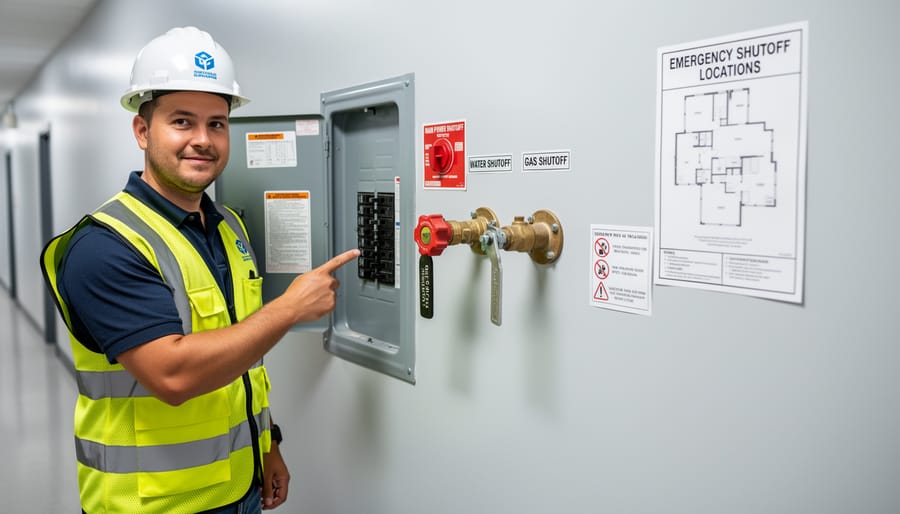
Your power outage emergency response plan PDF should function as your property’s safety blueprint when PSPS events strike. Start with detailed evacuation routes—map at least two exit paths from every room and your neighborhood, noting potential wildfire blockages. Document exactly where your main electrical panel, gas shutoff valve, and water main are located. In high-stress situations, even homeowners who’ve lived in their properties for years can forget these critical locations.
Your emergency supplies checklist needs to go beyond basics. Include a 72-hour supply of water, non-perishable food, medications, and important documents (insurance policies, property deeds, mortgage information). Real estate investors managing multiple properties should create individual checklists for each location. Don’t overlook battery-powered phone chargers, flashlights, and a battery or hand-crank radio for emergency broadcasts.
Property protection procedures deserve special attention in fire-prone zones. Document your defensible space maintenance schedule, including vegetation clearance zones at 0-5 feet, 5-30 feet, and 30-100 feet from structures. List which outdoor items to move indoors during red flag warnings—patio furniture, doormats, and anything combustible. Your critical evacuation plan should integrate seamlessly with these property protection steps, ensuring you’re never choosing between personal safety and asset protection. Include photographs of your property’s current state for insurance documentation purposes.
Digital and Physical Storage Best Practices
Creating your power outage emergency response plan is only half the battle—you need to ensure it’s accessible when you actually need it. Think about it: what good is a detailed plan if it’s trapped on a computer that won’t turn on during an outage?
Start by storing your plan in multiple cloud-based locations. Services like Google Drive, Dropbox, or iCloud ensure you can access your documents from any device with internet connectivity. However, don’t stop there. Download offline copies to your smartphone, tablet, and laptop. Consider the PDF format specifically because it maintains formatting across all devices and doesn’t require special software to open.
Physical copies remain surprisingly valuable in emergency situations. Print at least two versions—one for your home emergency kit and another stored in your vehicle’s glove compartment. Laminating these copies protects them from water damage and extends their lifespan.
Share your plan strategically with people who need access. Family members should have both digital and physical copies, ensuring everyone stays coordinated during an emergency. If you rent out properties, provide copies to your property managers—they’ll appreciate the proactive approach and can respond more effectively on your behalf. For investment properties, consider including abbreviated versions in tenant welcome packets.
Your insurance company should also have a copy on file. This demonstrates risk management efforts that could positively influence premium negotiations. More importantly, it streamlines claims processing if damage occurs. Document your sharing with timestamped emails or certified mail receipts, creating a paper trail that proves your preparedness efforts.
Before the Power Goes Out: Proactive Preparation Tactics
Home Hardening and Property Modifications
Protecting your property before an outage occurs can significantly reduce damage and may even lower your insurance premiums. Start with fire-resistant landscaping around your home’s perimeter, creating defensible space with non-combustible materials and strategically placed vegetation. This investment often qualifies for insurance discounts while protecting your property value.
Installing backup power systems is another critical modification. Whole-house generators or battery backup systems keep essential systems running during extended outages, preventing food spoilage, maintaining security systems, and ensuring medical equipment remains operational. While the upfront cost ranges from several thousand to tens of thousands of dollars, many insurers offer premium reductions for homes with permanent backup power.
Water storage solutions deserve equal attention. Installing 50-100 gallon water tanks or investing in rainwater collection systems provides essential resources during emergencies. Some municipalities offer rebates for these eco-friendly improvements.
Document all hardening projects with before-and-after photos and receipts. Contact your insurance provider to discuss potential discounts, as many carriers offer 5-20 percent premium reductions for wildfire-resistant improvements. These modifications not only enhance safety but also increase property marketability in fire-prone regions.
Insurance Coverage Review and Adjustments
Your homeowner’s policy might not cover all power outage-related scenarios, making a thorough insurance review essential before the next PSPS event. Start by examining your policy for coverage gaps specific to extended outages—many standard policies exclude spoiled food, generator fuel costs, or equipment damage from power surges when electricity returns.
Additional Living Expense (ALE) coverage deserves special attention. If a wildfire evacuation forces you to leave your home, ALE typically covers hotel stays, restaurant meals, and temporary housing. However, limits vary dramatically between policies. Verify whether your coverage extends to PSPS-related evacuations and confirm the daily spending caps and total limits. Properties in high-risk zones often need increased ALE coverage to ensure adequate protection during prolonged displacements.
Here’s where preparedness pays financial dividends: documenting your emergency improvements can reduce premiums. Installing a whole-house surge protector, upgrading to fire-resistant roofing, creating defensible space, or adding backup power systems often qualify for insurance discounts. Photograph these enhancements, save receipts, and share documentation with your insurance agent during policy reviews.
Consider scheduling an annual coverage assessment, ideally before wildfire season begins. This proactive approach ensures your property investment remains protected while potentially lowering costs through newly available discounts or bundled coverage options designed specifically for properties in fire-prone areas.
During a PSPS Event: Real-Time Response Actions
First 24 Hours: Immediate Property Protection Steps
The first 24 hours after power loss require swift action to protect your property investment. Start by addressing your refrigerator and freezer—keep doors closed to maintain temperatures (a full freezer stays cold for approximately 48 hours if unopened). Consider this your property’s perishable asset protection strategy.
Next, assess your security systems. Most modern alarm systems have battery backups lasting only 24-48 hours. If you’re home, document the outage time and check that backup power is functioning. This becomes crucial documentation for insurance claims if property damage occurs during the outage.
Fill bathtubs and available containers with water before municipal pumps lose pressure. This provides essential supply for sanitation and, if needed, firefighting efforts—a practical consideration in PSPS situations where wildfire risk prompted the shutdown.
Charge all devices while any backup power remains available. Your smartphone becomes your lifeline for emergency alerts, insurance communications, and property monitoring apps.
If evacuation appears likely, contact your insurance provider immediately. Document your property’s condition with photos and videos. This proactive approach strengthens potential claims and demonstrates the risk management practices that insurance companies value. Real estate professionals should maintain client contact lists for rapid communication during widespread outages affecting multiple properties.
Extended Outages: Maintaining Property Safety
When power outages stretch beyond a few hours, property protection becomes increasingly critical, particularly during wildfire-related PSPS events. If you’re using a generator, always position it at least 20 feet from your home with the exhaust directed away from windows and doors. Carbon monoxide poisoning is a real threat that can damage both lives and property value, so this isn’t the time to cut corners on safety protocols.
Winter outages present unique challenges for property preservation. Frozen pipes can burst and cause thousands of dollars in water damage, affecting your property’s condition and insurability. Keep interior doors open to circulate residual heat, and consider draining your water system if temperatures drop below freezing for extended periods. Your homeowner’s insurance may not cover damage from preventable freeze-related incidents, making prevention your most cost-effective strategy.
Mold prevention is equally important, especially in humid climates or during summer outages when refrigeration fails. Document any spoiled food or potential moisture issues with photos for insurance claims. Open windows when safe to promote air circulation, and monitor areas prone to dampness.
Finally, coordinate with neighbors and property management to share resources and information. Establishing a communication network strengthens your entire community’s resilience and can even enhance neighborhood property values by demonstrating organized emergency preparedness.
After Power Restoration: Assessment and Documentation
Once power returns to your property, resist the urge to immediately flip every switch and return to normal operations. Instead, treat this moment as a critical opportunity to assess, document, and strengthen your emergency preparedness for future outages.
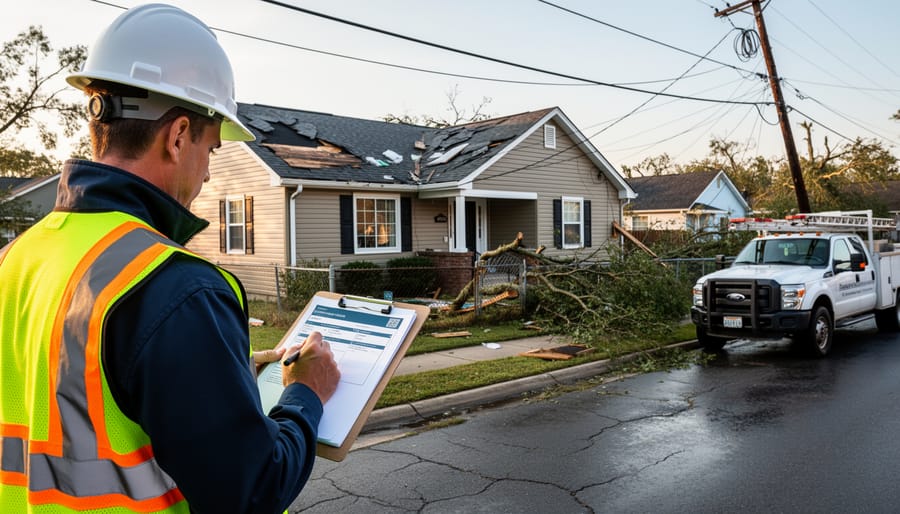
Begin with a methodical walk-through of your property within the first 24 hours. Check all major systems including HVAC, water heaters, and security equipment. Look for signs of power surge damage, such as non-functioning outlets, tripped breakers that won’t reset, or unusual sounds from appliances. For investment properties, coordinate with tenants to identify any issues they’ve noticed during or after the outage.
Documentation is your financial safeguard. Photograph any damage, even minor issues, before making repairs. Create a detailed inventory of spoiled food, damaged electronics, or compromised systems. Save all receipts related to the outage, including generator fuel, hotel stays, replacement food, and temporary relocation costs. These records become invaluable when filing insurance claims or potentially seeking reimbursement from utility companies if negligence played a role.
Contact your insurance provider promptly to understand your coverage and initiate claims if necessary. Many homeowners don’t realize that certain policies include food spoilage coverage or additional living expense benefits during extended outages. For real estate investors, business interruption coverage might apply if rental income was lost.
Finally, conduct an honest after-action review. What worked well in your emergency plan? What gaps emerged? Update your preparedness checklist based on real-world experience. Consider whether additional investments in backup power, insurance riders, or property upgrades make financial sense. This continuous improvement approach transforms each outage from a crisis into a learning opportunity that enhances your property’s resilience and protects your investment for the long term.
Financial Assistance and Insurance Claims for Outage-Related Losses
When disaster strikes and the lights go out, your immediate concerns shift to safety—but the financial aftermath deserves equal attention. Understanding your options for recovering outage-related losses can significantly impact your property investment’s bottom line.
Start with your homeowners or business insurance policy. Many standard policies cover food spoilage resulting from extended power outages, though coverage limits typically range from $500 to $2,000. Document everything: photograph your refrigerator and freezer contents before disposal, save receipts showing food value, and note the exact outage duration. Your insurer may require a utility company confirmation letter verifying the outage timeframe.
For real estate investors with rental properties, business interruption coverage becomes crucial during prolonged outages. This coverage compensates for lost rental income when your property becomes uninhabitable due to covered perils. Review your policy carefully—some require a minimum outage duration (often 24-48 hours) before benefits kick in. The coverage typically extends beyond simple power loss to include damage from spoiled HVAC systems or burst pipes resulting from the outage.
Federal Emergency Management Agency (FEMA) assistance programs offer another recovery avenue when outages stem from declared disasters. FEMA’s Individual and Households Program provides grants for temporary housing, home repairs, and other disaster-related expenses not covered by insurance. These grants don’t require repayment, making them valuable supplements to insurance claims.
Property owners investing in fire mitigation improvements may qualify for tax deductions, particularly if your improvements align with wildfire defense grants and community protection programs. The IRS allows certain casualty loss deductions and energy-efficient improvement credits that can offset hardening costs like backup generators, fireproof venting, or defensible space landscaping.
Keep meticulous records throughout any outage event. Detailed documentation transforms frustrating losses into recoverable expenses, protecting your real estate investment’s long-term value while maintaining cash flow during recovery periods.
Special Considerations for Real Estate Investors and Landlords
If you own rental properties in areas prone to Public Safety Power Shutoffs or wildfires, your emergency response plan needs to go beyond protecting just the physical structure. You have unique legal obligations and financial exposures that demand special attention.
Start with crystal-clear tenant communication protocols. California law, for instance, requires landlords to maintain habitable living conditions, which can become complicated during extended outages. Your plan should include a communication tree with multiple contact methods for reaching tenants quickly when PSPS events are announced. Document everything in writing, including advance notice of potential outages, safety instructions, and your response timeline. Consider creating a simple one-page guide for tenants explaining what to expect during power shutoffs and what your responsibilities are versus theirs.
Liability concerns intensify during power outages. If a tenant’s property is damaged due to refrigeration failure or if someone is injured navigating a dark stairwell, you could face claims. Review your landlord insurance policy to understand coverage gaps during utility disruptions. Many standard policies have exclusions that might surprise you, particularly around food spoilage or temporary relocation costs. Some property owners are adding PSPS-specific endorsements to their policies as these events become more frequent.
Property values in high-fire zones are already under pressure, and properties with poor outage preparedness sell at a discount. Installing backup power systems, upgrading to fire-resistant materials, and maintaining documented emergency protocols can actually enhance marketability. Savvy investors are marketing these features to attract quality tenants willing to pay premium rents for peace of mind.
Finally, coordinate with your property management company to designate clear roles during emergencies. Who checks on vacant units? Who handles tenant complaints? Ambiguity during a crisis damages both relationships and property values.
Here’s the reality: a comprehensive power outage emergency response plan isn’t just another document to file away and forget. In wildfire-prone regions, it’s the difference between protecting your property investment and watching your real estate value literally go up in smoke. When PSPS events strike and the lights go out, having that PDF plan readily accessible could save you thousands of dollars in preventable damage, not to mention keeping your family safe.
Think about it from an insurance perspective. Carriers are increasingly scrutinizing properties in high-risk areas, and demonstrating proactive emergency preparedness can directly impact your premiums and coverage options. A well-documented response plan shows insurers you’re serious about risk mitigation, which translates to better terms and maintained insurability when others in your area might be getting dropped.
For real estate professionals, recommending these plans to clients isn’t just good service, it’s protecting your reputation and their investments. Properties with comprehensive emergency protocols in place maintain their value better during crisis situations and appeal to increasingly risk-aware buyers.
Don’t wait until the next PSPS announcement catches you off guard. Whether you’re creating your first power outage emergency response plan or updating an outdated version, do it today. Download a template, customize it for your specific property needs, save it as a PDF on multiple devices, and print backup copies. Your property investment deserves this level of protection, and frankly, so does your peace of mind.