
Understand that emergency management operates in four distinct phases—mitigation, preparedness, response, and recovery—each directly impacting your property’s value, insurability, and long-term investment security. Property owners who master this framework reduce flood insurance premiums by up to 45%, protect equity during disasters, and maintain market competitiveness when selling in flood-prone areas.
The mitigation phase involves identifying vulnerabilities before disaster strikes—elevating HVAC systems, installing backflow valves, and securing flood insurance policies that reflect actual risk exposure. Real estate professionals who guide clients through mitigation strategies protect transactions from falling through when lenders require flood coverage or appraisals reveal undisclosed water damage.
Preparedness transforms theoretical plans into actionable protocols: establishing emergency funds equal to six months of mortgage payments, creating digital property documentation for insurance claims, and understanding your policy’s actual cash value versus replacement cost coverage. This phase separates protected homeowners from those facing financial devastation when floodwaters recede.
Response demands immediate action to minimize loss—documenting damage before cleanup begins, contacting insurers within claim deadlines, and understanding what temporary repairs your policy covers without jeopardizing future claims. Recovery extends beyond repairs to restoring property values through proper remediation documentation, securing certificates of compliance, and strategically timing market re-entry.
Each phase builds upon the previous one, creating a comprehensive shield against the financial consequences that transform natural disasters into lasting economic hardship for unprepared property owners.
Understanding the Four Phases Framework: Your Property’s Flood Defense System
When it comes to protecting your property investment from flood damage, understanding the four phases of emergency management isn’t just government protocol—it’s your financial safety net. This proven framework transforms reactive panic into strategic, cost-effective protection that can save you tens of thousands of dollars and preserve your property’s value.
Think of these four phases—mitigation, preparedness, response, and recovery—as an integrated defense system working together before, during, and after a flood event. Unlike standalone measures that address only one aspect of flood risk, this comprehensive approach ensures nothing falls through the cracks when disaster strikes.
Here’s why this matters for your bottom line: properties with documented emergency management plans typically see faster insurance claim processing, lower premium rates, and better resale values. Lenders increasingly favor properties in flood-prone areas that demonstrate proactive risk management, potentially affecting your mortgage terms and interest rates.
Mitigation focuses on reducing long-term risk through strategic property improvements and policy decisions. Preparedness involves disaster preparedness planning, ensuring you have actionable plans, proper insurance coverage, and emergency resources ready. Response covers your immediate actions when flooding occurs, minimizing damage and protecting lives. Recovery addresses the critical post-flood period, from insurance claims to restoration decisions that affect your property’s future marketability.
For real estate investors managing multiple properties or homeowners protecting their primary residence, this framework provides a standardized approach that insurance companies recognize and reward. It transforms emergency management from an overwhelming concept into manageable, sequential steps that protect both your physical asset and your financial investment while ensuring you’re never caught unprepared when waters rise.
Phase 1: Mitigation – Building Long-Term Protection Into Your Property
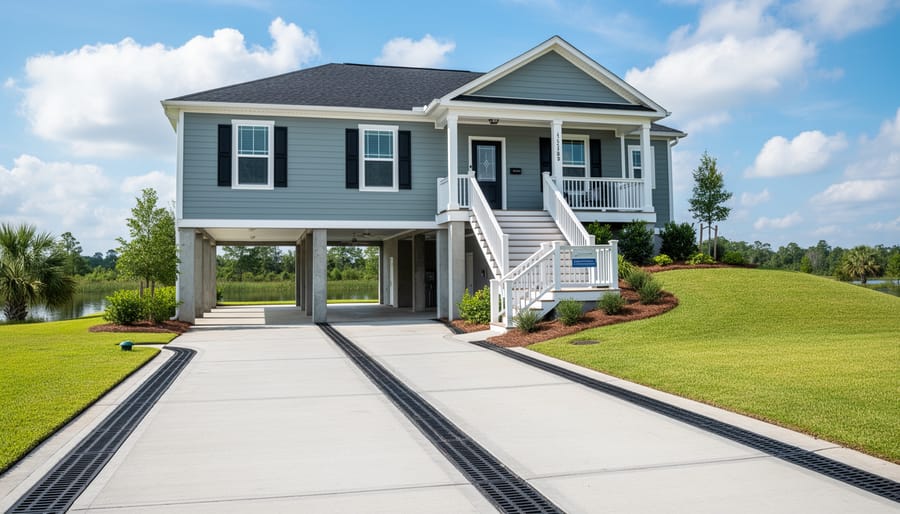
Structural Solutions That Pay Dividends
Strategic structural improvements represent one of the most effective long-term investments in flood mitigation, directly influencing both property protection and market value. These solutions move beyond temporary fixes to create lasting barriers against water damage while simultaneously enhancing your home’s appeal to future buyers and insurers.
Home elevation remains the gold standard for high-risk areas, literally raising your property above projected flood levels. While this investment typically ranges from $30,000 to $150,000 depending on home size and foundation type, it can reduce flood insurance premiums by up to 70% and significantly boost resale value in flood-prone neighborhoods. Understanding property renovation considerations before undertaking such major modifications ensures compliance with local building codes and maximizes your return on investment.
Permanent flood barriers and French drain systems offer less invasive alternatives. Modern flood barriers integrate seamlessly with landscaping while channeling water away from foundations. Properly designed drainage improvements, including regraded yards and strategically placed dry wells, prevent water accumulation that leads to basement flooding—a common deal-breaker for potential buyers.
Smart landscaping modifications using native, water-absorbing plants and rain gardens transform yards into natural flood defenses. These aesthetically pleasing solutions reduce runoff while creating desirable outdoor spaces that appraisers recognize as value-added features.
Documented structural improvements provide tangible evidence of proactive risk management, strengthening your position during insurance underwriting and property valuations. Real estate professionals consistently report that homes with verified flood mitigation measures sell faster and command premium prices compared to unprotected properties in similar locations.
Policy and Financial Mitigation Tools
Smart property investors understand that financial tools can significantly reduce flood risk exposure. The National Flood Insurance Program (NFIP) mandates flood insurance for properties in Special Flood Hazard Areas with federally backed mortgages, directly impacting your financing options and monthly costs. Beyond basic coverage, climate resilience insurance provides enhanced protection for properties implementing mitigation measures.
The Community Rating System (CRS) offers tangible benefits: communities actively managing flood risk can earn residents up to 45% discounts on flood insurance premiums. If you’re house hunting, check whether your target municipality participates in CRS, as this affects long-term ownership costs.
Zoning ordinances increasingly restrict development in flood-prone areas, protecting property values while limiting construction options. Many jurisdictions now offer tax credits or property tax reductions for homeowners who invest in elevation systems, flood vents, or drainage improvements. These incentives typically offset 10-25% of mitigation costs.
For lenders, these policies mean stricter underwriting in flood zones. However, properties with documented mitigation investments often qualify for better loan terms, as they represent lower risk. Understanding these financial mechanisms helps you make informed decisions that protect both your property and your wallet.
Smart Real Estate Decisions in Flood-Prone Areas
Before purchasing property in flood-prone areas, conduct thorough due diligence using FEMA’s Flood Insurance Rate Maps (FIRMs) to understand your property’s flood zone classification. Properties in Special Flood Hazard Areas (zones beginning with A or V) face significantly higher insurance costs and mandatory coverage requirements if you’re financing the purchase. Request the seller’s flood history documentation—federal law requires disclosure of known flood damage, but proactive buyers should verify claims history independently through insurance databases. Calculate the total cost of ownership including elevated premiums, potential mitigation expenses, and resale considerations. Properties with repetitive flood losses may seem like bargains upfront but often represent poor long-term investments. Consider consulting with insurance specialists who understand flood risk pricing before making offers, as premium costs can dramatically affect your property’s affordability and future marketability. Smart investors also evaluate a property’s elevation certificate and explore whether previous owners implemented flood-resistant improvements that could lower insurance costs.
Phase 2: Preparedness – Creating Your Property Emergency Action Plan
Documentation and Financial Readiness
Being financially and administratively prepared before disaster strikes can mean the difference between a quick recovery and prolonged financial stress. Start by creating a comprehensive property inventory with photographs and videos of your home’s contents, structural features, and high-value items. Store this documentation in multiple locations—both digitally in cloud storage and physically in a waterproof, fireproof safe or off-site location.
Keep your insurance policies, including flood insurance documents, readily accessible. Many homeowners discover coverage gaps only after filing a claim, so review your policies annually with your agent to ensure adequate protection. Remember that standard homeowners insurance typically excludes flood damage, making separate flood coverage essential for at-risk properties.
Establish an emergency fund specifically earmarked for property-related disasters. Financial advisors recommend setting aside three to six months of mortgage payments plus deductibles, as insurance payouts can take weeks or months to process. This liquidity prevents forced property sales during vulnerable recovery periods.
Finally, build relationships with licensed contractors, restoration specialists, and remediation companies before you need them. Pre-vetted professionals ensure faster response times and protect you from price gouging that often follows disasters. Request quotes for common repairs, verify licenses and insurance, and keep their contact information with your emergency documents. This proactive approach transforms your financial readiness from reactive scrambling into strategic preparation.

Physical Preparation Checklist
Before disaster strikes, having a comprehensive physical preparation plan protects both your property value and personal safety. Start by assembling emergency supplies including flashlights, batteries, first aid kits, and at least three days’ worth of water and non-perishable food. Document these preparations as part of your broader property risk management strategies.
Map out multiple evacuation routes from your property and share them with all occupants, including tenants if you own rental units. Know exactly where your utility shut-off valves are located—being able to quickly turn off electricity, gas, and water can prevent secondary damage that compounds insurance claims and repair costs.
Consider installing temporary flood barriers or permanent solutions like backwater valves, which many insurers now recognize with premium discounts. Create a communication plan that includes emergency contacts for your property manager, insurance agent, and restoration services. For multi-unit properties, establish clear protocols for notifying tenants about evacuation orders or shelter-in-place situations. Keep digital and physical copies of this plan accessible, ensuring nothing gets lost when minutes matter most.
Tenant and Occupant Coordination
Effective tenant and occupant coordination can mean the difference between orderly evacuation and chaos during a flood emergency. Property managers and landlords should establish clear communication channels before disaster strikes—think emergency contact lists, preferred notification methods (text, email, phone trees), and designated meeting points. Real estate professionals managing multiple properties need centralized systems to track occupant status and property conditions in real-time.
Create simple, written emergency protocols that tenants receive at lease signing and review annually. These should outline evacuation routes, utility shut-off locations, and emergency contacts including local authorities and your insurance provider. Consider requiring renters insurance as a lease condition—it protects tenants’ belongings while reducing liability exposure for property owners.
During an actual emergency, use multiple communication methods simultaneously. A single text might not reach everyone, but combining calls, texts, emails, and even door-knocking ensures maximum coverage. Document all communications for insurance claims and potential liability protection. Property managers should also coordinate with local emergency services to ensure they have updated building layouts and occupancy information, streamlining rescue operations if needed.
Phase 3: Response – Taking Action When Floods Threaten or Strike
Immediate Protection Measures
When disaster strikes, the minutes and hours immediately following a warning can make the difference between minor repairs and catastrophic loss. Your immediate response should be methodical, not frantic—think of it as executing a well-rehearsed plan rather than improvising under pressure.
Start by deploying any flood barriers or sandbags you’ve prepared, focusing on entry points like doors, garage openings, and basement windows. While these won’t stop major flooding, they can significantly reduce water intrusion from minor to moderate events. Simultaneously, move valuable items, important documents, and electronics to higher floors or elevated surfaces. This includes property deeds, insurance policies, and photographs that will be crucial for claims processing.
Next, shut off utilities strategically. Turn off electricity at the breaker box to prevent electrical fires and electrocution hazards. Close the main gas valve if you smell gas or expect deep water. However, leave water service on if you’ll need it for sanitation during a prolonged event.
Documentation is your financial protection. Take timestamped photos and videos of your property’s condition before flooding occurs, capturing room layouts, valuables, and existing conditions. This creates an indisputable baseline for insurance adjusters and can expedite claims by thousands of dollars.
Finally, make evacuation decisions based on official guidance, not intuition. Your life is worth infinitely more than any property investment, and most flood insurance policies cover properly documented losses whether you stayed or left.
Managing Multi-Property Portfolios During Crisis
Real estate investors managing multiple properties face unique challenges during emergencies, particularly when flooding threatens assets across different geographic areas. The key to successful multi-property crisis management starts with prioritization based on risk assessment and property value. Develop a tiered system ranking properties by flood vulnerability, occupancy status, and financial importance to your portfolio. This allows you to allocate resources efficiently when time and personnel are limited.
Remote monitoring technology has revolutionized how property managers respond to crises. Modern IoT sensors can detect rising water levels, humidity changes, and structural concerns in real-time, sending alerts directly to your smartphone. These systems prove invaluable when you cannot physically visit every property during an emergency. Smart water shutoff valves can be activated remotely to prevent additional damage, potentially saving thousands in insurance claims.
Establishing relationships with emergency vendors before disaster strikes is essential. Create a vetted network of contractors, restoration companies, and emergency service providers who can deploy quickly across your portfolio. Negotiate pre-arranged service agreements that guarantee priority response during widespread emergencies when contractors are in high demand. Document these relationships and maintain updated contact lists accessible from multiple devices. Consider implementing property management software that centralizes emergency protocols, vendor information, and real-time status updates for each location, ensuring coordinated response efforts even when managing properties remotely.
Phase 4: Recovery – Restoring Property Value and Financial Stability
Navigating the Insurance Claims Process
When disaster strikes your property, navigating the insurance claims process efficiently can mean the difference between a full recovery and financial setback. Start by documenting everything immediately—take photographs and videos of all damage before making temporary repairs, and maintain detailed receipts for emergency expenses. This documentation becomes your financial lifeline during claims processing.
Working effectively with insurance adjusters requires preparation and transparency. Schedule the adjuster’s visit promptly, walk them through the damage systematically, and provide your documentation upfront. Remember, adjusters work for the insurance company, so consider hiring a public adjuster for complex claims to advocate for your interests—typically charging 10-15% of the payout but often securing significantly higher settlements.
Understanding your coverage limits prevents surprises during recovery. Review your policy’s actual cash value versus replacement cost provisions, deductibles, and sublimits on specific items. Many property owners discover too late that their standard policy caps contents coverage or excludes certain flood damage categories.
If disputes arise, follow your policy’s formal appeal process before considering litigation. Most insurers offer mediation or appraisal clauses that resolve disagreements without court involvement. Throughout the process, maintain good faith by meeting all deadlines, providing requested information promptly, and avoiding exaggeration—which can jeopardize your entire claim and future insurability.
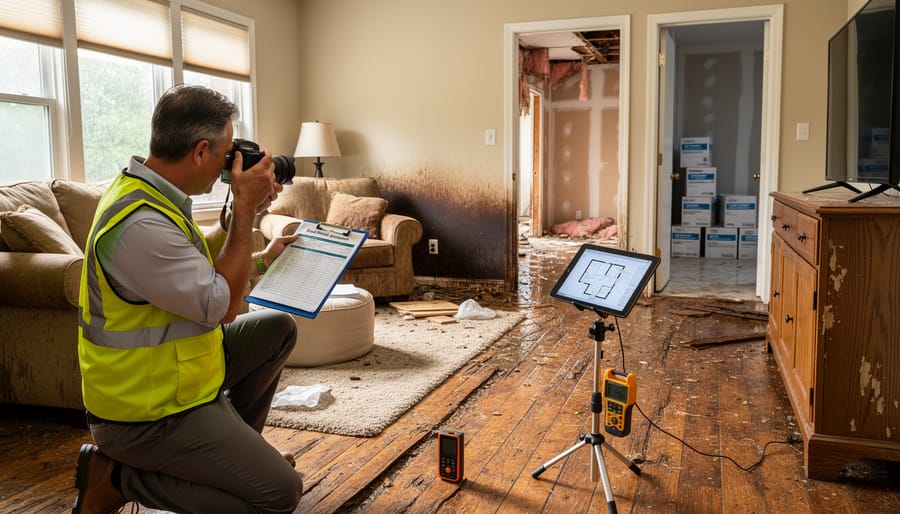
Restoration Strategy and Contractor Management
Once the immediate danger passes, strategic restoration becomes critical to preserving your property’s value and preventing compounding damage. Prioritize repairs that prevent secondary issues—addressing water intrusion and beginning the drying process within 24-48 hours significantly reduces mold growth risk, which can devalue properties by 10-20% according to recent appraisals.
When selecting contractors, verify licensing, insurance coverage, and flood restoration experience. Request detailed estimates and payment schedules before work begins. Many homeowners don’t realize that standard insurance policies may require using approved restoration companies to maintain full coverage benefits.
Financing restoration work often involves navigating insurance claims, disaster assistance programs, and potentially home equity lines of credit. Document everything with photos and receipts—proper documentation can mean the difference between partial and full insurance reimbursement. Consider hiring a public adjuster if your claim exceeds $50,000 or involves complex damage assessments.
Throughout recovery, maintain communication with your mortgage lender, especially if repairs extend beyond 30 days. Properties under restoration can face appraisal challenges, so keeping lenders informed protects your financing terms and prevents complications during future refinancing or sale transactions.
Financial Recovery and Long-Term Planning
After the immediate crisis passes, the recovery phase focuses on restoring your financial stability and strengthening your property’s resilience. Start by exploring disaster loan programs through the Small Business Administration or local government agencies, which often offer low-interest financing for repairs. Understanding insurance payout tax implications is essential, as while most disaster insurance proceeds aren’t taxable, certain casualty loss deductions may reduce your tax burden when losses exceed coverage. This is also the perfect time to reassess your property insurance coverage. Many homeowners discover gaps in their policies only after filing claims. Consider increasing flood insurance limits, adding contents coverage, or exploring excess liability policies. Finally, integrate lessons learned into your mitigation strategy by documenting what worked and what failed during the emergency, then investing in permanent improvements like elevated utilities, improved drainage systems, or structural reinforcements that protect property value while potentially lowering future insurance premiums.
Understanding and implementing all four phases of emergency management—mitigation, preparedness, response, and recovery—isn’t just about following a checklist. It’s about protecting what matters most: lives, livelihoods, and the substantial financial investment tied up in real estate. When you take a comprehensive approach to flood risk management that addresses each phase, you’re not only safeguarding your property’s physical structure but also preserving its market value and ensuring you have the right insurance coverage when disaster strikes.
The intersection of emergency planning, property value preservation, and smart insurance management is where savvy property owners and real estate professionals gain a competitive edge. Properties with documented mitigation measures often qualify for lower insurance premiums, recover faster after flooding events, and maintain better resale values compared to unprepared properties. This isn’t just theoretical—it’s a proven strategy that impacts your bottom line.
Now is the time to assess your current flood preparedness level honestly. Where do you stand in each phase? Have you invested in mitigation improvements? Is your emergency plan current and tested? Do you have adequate flood insurance coverage that reflects your property’s true replacement cost? Start implementing phase-appropriate strategies today, beginning with the areas where you’re most vulnerable. Remember, emergency management isn’t a one-time project but an ongoing commitment to protecting your real estate investment through every season and circumstance. Your future self will thank you when the floodwaters rise.