
Real estate license parking lets you maintain your hard-earned credentials in an inactive status when you need to step away from active practice, preserving your licensing history and avoiding the hassle of re-qualifying later. This option typically costs between $200 and $600 annually depending on your state, requires minimal continuing education, and keeps your license valid without the obligation to join a brokerage or pay full active-agent fees.
The concept appeals to agents facing career transitions, family obligations, extended travel, or simply burnout from the demanding nature of real estate sales. Rather than letting your license lapse entirely, which in most states means starting over with exam prep and application fees, parking positions your credentials in a holding pattern. You stay registered with your state regulatory body but won’t be authorized to represent clients or collect commissions until you reactivate.
Think of it as pressing pause instead of stop. The mechanics vary by jurisdiction, but the core principle remains consistent: you’re trading active practice privileges for reduced costs and obligations while maintaining continuity in your professional record. Some states call it “inactive status,” others use terms like “referral license” or “associate broker status,” but the function is essentially the same.
For agents weighing this decision in 2026, the calculation involves more than just annual fees. You’ll need to consider how long you plan to stay inactive, whether your state requires continuing education for parked licenses, and what insurance or errors-and-omissions coverage you’ll need to maintain. The financial trade-off between real estate license parking and full surrender depends on your timeline and career goals.
What Is Real Estate License Parking?
Real estate license parking refers to the practice of maintaining an active real estate license while not engaging in full-time buying, selling, or leasing activities. Think of it as keeping your professional credentials on standby, you’re licensed and legally permitted to practice, but you’ve chosen to step away from day-to-day transactions.
When you park your license, you typically transition to what most states call “inactive” or “referral” status. This designation varies by jurisdiction, but the core concept remains consistent: you maintain your license through a sponsoring broker and continue meeting state requirements without handling client transactions directly. Some agents in this status focus exclusively on generating referral income by connecting buyers and sellers with active agents, while others simply keep their credentials current for potential future use.
The mechanics are straightforward. You must remain affiliated with a licensed broker who agrees to hold your license, even though you won’t be producing transactions for them. Most states require you to complete continuing education courses and pay renewal fees on schedule, just like active agents. The key difference? You’re not working with clients, showing properties, or negotiating deals.
- Inactive Status
- A license classification where an agent maintains credentials without engaging in active real estate transactions. Requirements and terminology vary by state.
- Referral Status
- A specific type of inactive status where agents earn income by referring clients to active agents, often collecting a percentage of the resulting commission.
- Continuing Education
- Mandatory educational courses required to renew a real estate license. Parked licenses typically must meet the same CE requirements as active agents.
- Sponsoring Broker
- The licensed broker who maintains oversight of your license. All real estate agents must be affiliated with a broker, even when inactive.
It’s worth noting that parking isn’t the same as letting your license expire or lapse. With a parked license, you remain in good standing with your state’s regulatory board. You can receive inactive status referral fees in many jurisdictions, maintain your professional identity, and reactivate whenever you’re ready to return to active practice, without retaking prelicensing courses or state exams.
Why Real Estate Professionals Park Their Licenses
Career Flexibility and Future Opportunities
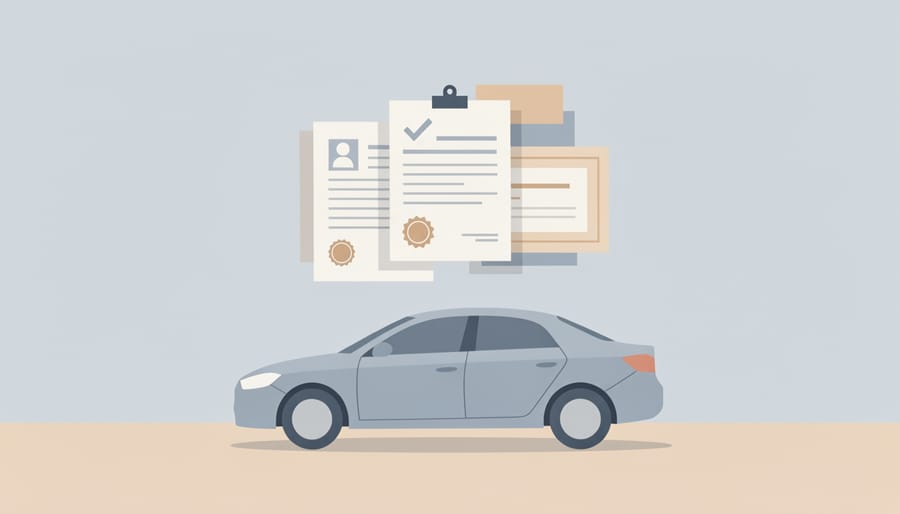
Parking your license acts as career insurance. If you step away to pursue remote real estate jobs or explore other industries, you avoid the hassle and expense of requalifying later. Most states require new applicants to complete 60-90 hours of pre-licensing education, pass state exams, and undergo background checks, a process that takes months and costs $500-1,500. Maintaining a parked license eliminates this barrier entirely.
Your years of experience stay officially recognized too. When you reactivate, you return as a licensed professional with documented history, not as someone starting from scratch. This matters when joining new brokerages or attracting clients who value proven track records.
Network connections remain intact when you keep your license current. Colleagues, title officers, lenders, and past clients still see you as part of the industry. You can attend association events, access MLS data in many markets, and work remotely on real estate-adjacent projects without losing professional credibility.
The flexibility extends to timing your comeback. Market conditions shift, personal circumstances change, or better opportunities emerge. A parked license lets you jump back in within weeks rather than waiting half a year to requalify. You can stay productive in other roles while keeping this option warm.
Leveraging Credentials in Adjacent Industries
A parked real estate license can be surprisingly valuable even when you’re not closing deals. Many adjacent industries place higher trust, and offer better opportunities, to professionals who hold active credentials, and maintaining your license can open doors that remain closed to unlicensed competitors.
In mortgage lending, loan officers with real estate licenses often command more credibility with clients who appreciate working with someone who understands both sides of the transaction. You’ll speak the language of contracts, contingencies, and timelines in ways that purely financial professionals cannot, and referral sources frequently prefer recommending dual-credentialed professionals. Some mortgage companies even offer higher commission splits or leadership positions to licensed loan officers.
Property management firms similarly value real estate credentials. Whether you’re managing a portfolio of investment properties or working for an institutional management company, your license demonstrates formal training in landlord-tenant law, fair housing, and property transactions. In several states, property managers handling certain transaction types must hold real estate licenses anyway, making yours a competitive advantage rather than optional certification.
Real estate investors benefit from maintaining credentials even when focusing on their own portfolio rather than representing clients. Your license provides legal clarity when wholesaling properties, allows you to collect commissions on your own transactions in some states, and signals professionalism when networking with other investors or presenting syndication opportunities to potential partners.
In consulting roles, whether advising on real estate technology, providing expert witness testimony, or teaching continuing education courses, an active license adds legitimacy that separates you from unlicensed commentators. Clients and audiences trust that your knowledge is current and that you’ve maintained professional standards, even if you’re not actively listing homes.
How License Parking Works: State Requirements and Processes
Finding a Broker to Hold Your License

Finding the right broker to sponsor your parked license requires understanding three main options, each with distinct costs and obligations. Most states mandate that all real estate licenses remain affiliated with a licensed brokerage, even when you’re not actively practicing.
Referral brokerages specialize in hosting inactive agents who primarily generate income through referrals. These firms typically charge monthly fees ranging from $25 to $75 in 2026, with minimal oversight and no desk requirements. You’ll split referral commissions (usually 20-30% to the brokerage), but you won’t face pressure to produce listings or sales. Some referral brokerages explicitly outline inactive brokerage limitations regarding what activities you can and cannot perform while maintaining parked status.
Virtual brokerages offer another low-commitment option. While originally designed for part-time agents, many accommodate parked licenses with flexible fee structures. Monthly costs run $50-$150, and you’ll maintain access to technology platforms and marketing tools should you decide to take occasional referrals. Some virtual brokerages require annual minimums or transaction fees, so clarify expectations upfront.
Negotiating with your former broker often provides the most economical path if you left on good terms. Many brokers will retain inactive agents at reduced monthly rates ($0-$50) since it costs them little and preserves the relationship for potential future business. This arrangement works best when you’ll refer clients back to the firm, creating a mutual benefit.
Before committing, verify that your chosen broker maintains proper licensing, carries adequate errors and omissions insurance that extends to inactive agents, and understands your state’s specific requirements for parked licenses. Request a written agreement clarifying fees, referral splits, continuing education support, and reactivation procedures.
Continuing Education and Renewal Requirements
Most states require continuing education for license renewal regardless of whether you’re actively practicing, though the requirements and enforcement vary significantly. Before you assume parking your license means a break from coursework, check your state’s specific rules, some surprises await.
The majority of states impose the same CE requirements on inactive license holders as active agents. If California mandates 45 hours every four years for active agents, you’ll need those same 45 hours to renew a parked license. Texas requires 18 hours of CE courses each two-year renewal cycle whether you’re closing deals or sitting on the sidelines. This creates an unavoidable annual cost in both money and time.
However, several states offer reduced requirements for inactive status. Florida cuts CE obligations in half for inactive licensees, nine hours instead of 14 during each two-year period. Georgia goes further, with inactive exempt from CE requirements entirely, though you still pay renewal fees. North Carolina requires only eight hours for inactive agents compared to the standard requirement, making it particularly attractive for license parking.
Renewal cycles remain unchanged regardless of active status. If your state operates on a two-year renewal schedule, that clock keeps ticking. Missing a renewal deadline while parked carries the same consequences as missing one while active, potential reinstatement fees, additional requirements, or complete license expiration depending on how long you wait.
Smart agents bundle their CE requirements into intensive weekend courses or online programs, knocking out all obligations in one sitting rather than spreading them throughout the year. Many providers offer “renewal packages” specifically designed to meet state minimums efficiently. Set calendar reminders six months before your renewal date, giving yourself a comfortable buffer to complete requirements without last-minute panic or expired credentials.
The Financial Equation: Costs vs. Benefits of License Parking
Annual Costs to Maintain a Parked License
Maintaining a parked real estate license isn’t free, and understanding the true cost helps you make an informed decision about whether parking makes sense for your situation.
State Renewal Fees form the foundation of your expenses. Most states charge between $50 and $300 every two to four years to renew your license, regardless of whether you’re active. California agents pay $245 every four years, while Texas requires $175 every two years. Check your state’s real estate commission website for current rates.
Broker Fees represent your second major expense. Many brokerages charge parked agents between $100 and $500 annually to maintain sponsorship. Some referral-focused brokerages offer lower rates, as little as $50 per year, specifically for agents who aren’t actively practicing. Virtual brokerages often provide the most affordable options, though service levels vary considerably.
Continuing Education costs depend on your state’s requirements. States typically mandate 12 to 24 hours of CE per renewal cycle, even for inactive licenses. Budget $150 to $400 for online courses, which offer the most convenient and cost-effective option for parked agents.
Association Dues are optional but may provide value. Local MLS access usually costs $600 to $1,200 annually, though most parked agents skip this unless they’re actively working referrals. National Association of Realtors dues run approximately $150 yearly.
Total annual costs typically range from $300 to $1,000, with significant state-by-state variation based on renewal cycles and local requirements.
When Parking Makes Financial Sense
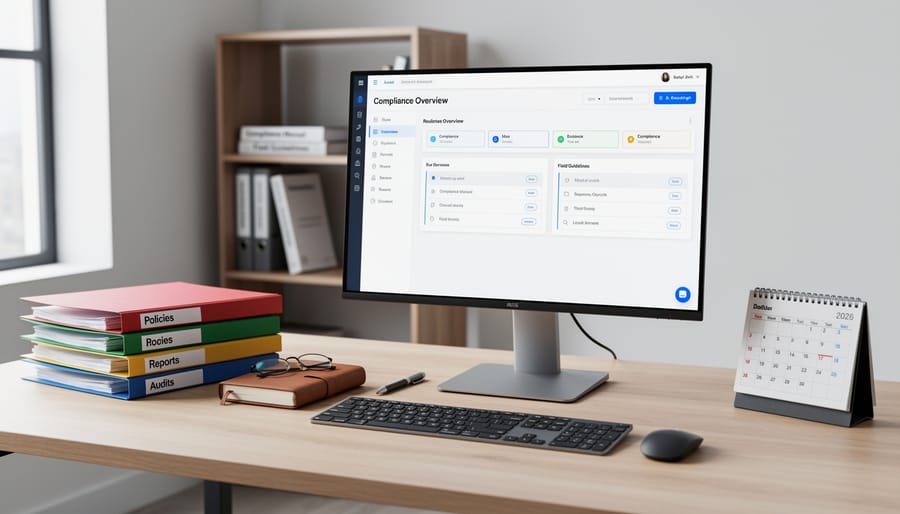
The math behind parking your license isn’t complicated, you’re essentially buying yourself time and options. If you’re planning a two-year hiatus to raise young children or launch a side business, paying $600-900 annually to keep your license parked beats the $300-500 and 60-120 hours you’d spend requalifying from scratch in most states. The breakeven point typically hits around 18-24 months.
Consider referral income as a potential offset. If you know two or three people each year who’ll buy or sell homes, those referral fees, even at a 20-25% split, can cover your annual parking costs entirely. Your network doesn’t evaporate the day you step away from full-time practice.
The decision gets murkier if you’re truly uncertain about returning. States like Florida and Texas have relatively straightforward reactivation processes, making the case for parking weaker if you’re five-plus years from any real estate involvement. Conversely, if you’re in California where requalification means retaking the state exam, parking looks more attractive even with a longer timeline.
Run your own numbers: multiply your state’s annual costs by your expected inactive years, then compare that total to requalification expenses plus the intangible cost of rebuilding credibility and relearning market changes. If parking costs less than half of starting over, it’s usually worth maintaining that credential.
Earning Referral Income While Your License Is Parked
Even with your license parked, you can generate referral income by connecting prospects with active agents, but understanding the rules and mechanics is essential to doing it right.
Most states allow parked licensees to earn referral fees for connecting buyers or sellers with practicing agents. The typical split ranges from 20% to 35% of the gross commission, though some arrangements reach 40% if you provide substantial lead nurturing. Your broker takes their cut from your referral percentage, so a $10,000 total commission might yield you $2,500 to $3,500 before your broker’s split, leaving you with roughly $1,500 to $2,200 in your pocket. These percentages vary by market and relationship strength, so negotiate upfront and document everything in writing.
The legal boundaries are strict. You cannot show properties, negotiate offers, or provide advice that requires an active license. Your role stops at the introduction. Hand off the lead, provide context about the client’s needs, then step back. Some agents mistakenly continue guiding clients through the process, answering contract questions, attending inspections, or coaching on offers, which constitutes practicing without proper status and can trigger disciplinary action.
Maximize referral opportunities by maintaining your professional network. Stay visible on LinkedIn, attend local real estate events occasionally, and keep former clients informed of your referral arrangement. A simple quarterly email explaining you’re still in the industry and can connect them with trusted agents keeps you top-of-mind. Many parked agents generate $5,000 to $15,000 annually in referral income with minimal effort by simply staying connected.
Protect yourself by maintaining clear records. Document each referral with an email trail showing you made an introduction but didn’t practice real estate. This protects you if a transaction goes sideways and protects your data security when sharing client information. Some referral agents maintain E&O insurance even while parked, particularly if they’re generating significant referral volume. The annual cost of $400 to $800 can prevent catastrophic liability if you’re named in a dispute.
Track referrals systematically. Use a simple spreadsheet noting referral date, client name, receiving agent, expected commission, and payment status. Follow up 60 days post-closing if payment hasn’t arrived.
Insurance and Liability Considerations

Even when you’re not actively listing or selling properties, your real estate license can create liability exposure. Understanding insurance needs for a parked license isn’t just paperwork, it’s about protecting assets you’ve spent years building.
Errors and Omissions Insurance: Do You Need It?
Most states don’t require E&O insurance for inactive licenses, but that doesn’t mean you’re off the hook. If you’re earning referral fees, you maintain some professional liability. A client referred to another agent could later claim you misrepresented their needs or made assurances about the transaction. Your referral broker’s E&O policy might cover basic referral activity, but policies vary wildly. Some explicitly exclude inactive agents or limit coverage to direct employees.
Call your broker and get specifics in writing about what their policy covers. If you’re not adequately covered, a personal E&O policy for inactive agents typically runs $200 to $400 annually in 2026, far cheaper than defending even a frivolous lawsuit.
The Casual Advice Problem
Here’s where parked licenses get dicey. You mention at a party that now’s a good time to buy, and someone acts on that advice and loses money. Are you liable? Possibly. Courts have found that licensed professionals giving advice, even informally, can create duty of care. Your license signals expertise, making casual comments carry more weight than a neighbor’s opinion.
The safest approach? Make it crystal clear when you’re speaking as a friend versus as a licensed professional. Better yet, deflect specific questions to active agents. “I’m not practicing right now, but I can connect you with someone great” protects everyone.
Protecting Yourself Beyond Insurance
Document everything related to referrals. Keep emails showing exactly what you told clients and what you didn’t promise. If your state allows it, consider an LLC to separate personal assets from professional liability, though this won’t shield you from personal negligence claims.
Review your homeowner’s or umbrella insurance policy. Some exclude claims arising from professional activities, even part-time ones. You might need a rider or separate coverage.
Reactivating Your License: The Path Back to Active Practice
Reactivating a parked license is generally more straightforward than earning your credentials from scratch, but the process varies significantly by state and can take anywhere from a few days to several months. Most agents find that the administrative hurdles are manageable, though there’s typically a learning curve when you return to active practice after time away from the market.
The core reactivation steps follow a predictable sequence, though your state may add specific requirements:
- Complete any outstanding continuing education credits and ensure you’re current through your next renewal period, as most states won’t process status changes with CE deficiencies.
- Contact your current sponsoring broker to discuss either transitioning to active status with them or requesting a license release to move to another brokerage.
- If changing brokerages, research and interview potential sponsors, focusing on their support for agents returning to active practice, training resources, and commission structures.
- Submit the required paperwork to your state real estate commission, which typically includes a status change application, brokerage affiliation documents, and applicable fees (ranging from $50 to $300 in most states).
- Update your errors and omissions insurance to active agent coverage, as parked licenses often carry reduced or no E&O protection.
- Rejoin relevant MLS organizations and update your technology access, including lockbox systems and showing platforms.
The timeline from decision to first transaction typically runs 30 to 90 days. States with electronic filing systems process changes within days, while others still using paper applications may take six to eight weeks. If you’ve been parked for several years, expect to invest time relearning current contract forms, fair housing updates, and market technology that’s evolved during your absence.
Budget for reactivation costs beyond the state fees: updated headshots, marketing materials, MLS dues (often $500 to $1,200 annually), and potentially technology subscriptions. Many brokerages offer transition support, but factor in two to three months before you’re generating consistent income, especially if your sphere of influence has cooled during your time away.
Common Mistakes When Parking a Real Estate License
Agents who park their licenses often stumble into avoidable traps that can jeopardize their credentials or create legal headaches. The most common mistake is simply forgetting about continuing education deadlines. Many states still require CE hours for inactive licenses, and it’s surprisingly easy to lose track when you’re not actively working. Set calendar reminders at least 90 days before your renewal date, and knock out your CE requirements early. Procrastination here can result in an expired license that requires reinstatement fees or, in some states, retaking portions of your licensing exam.
Missing renewal deadlines entirely ranks as the second most costly error. When you’re not earning commission checks, that annual renewal can slip your mind. Most states offer a grace period for late renewals, but you’ll pay penalties that can double your renewal cost. Let your license lapse beyond the grace period, and you’re looking at a reinstatement process that’s both expensive and time-consuming.
Another pitfall is inadvertently practicing real estate without proper active status. This happens when parked agents casually help friends or family with transactions, negotiate deals, or hold themselves out as active agents on social media. Even well-intentioned assistance can violate state regulations if you’re not on active status. Keep your LinkedIn and other profiles clearly indicating your inactive status, and resist the urge to “just help out” with a transaction.
Finally, many agents neglect their broker relationships once they park their licenses. Your sponsoring broker is your lifeline to maintaining credentials. Stay in touch, pay any agreed-upon fees promptly, and give adequate notice if you need to transfer your license. A strained broker relationship can complicate reactivation or leave you scrambling to find new sponsorship before renewal deadlines hit.
License parking represents a strategic middle ground between walking away from your real estate credentials entirely and maintaining active practice. Whether it makes sense for you depends on three factors: your timeline for potentially returning to real estate, your state’s cost structure for inactive licenses, and your ability to generate referral income or leverage the credential in your current work.
If you’re within five years of potentially returning to active practice, parking almost always beats requalification costs. The expenses, typically $300-800 annually depending on your state, pale in comparison to retaking courses, exams, and rebuilding from scratch. Even if you never reactivate, maintaining the credential enhances your credibility in adjacent fields like lending, property management, or investment consulting.
The biggest mistake agents make is letting credentials lapse without running the numbers. Calculate your state’s parking costs against requalification expenses, factor in any referral income potential, and honestly assess your career trajectory. Your license isn’t just about selling homes, it’s professional insurance that keeps options open during career transitions, economic uncertainty, or life changes.
Review your state’s specific requirements, connect with a broker willing to hold inactive licenses, and set calendar reminders for renewal deadlines. Your real estate license took work to earn. Keeping it parked costs far less than starting over.