
Energy real estate solutions transform properties into financial assets that pay dividends through reduced operating costs, increased market value, and enhanced tenant satisfaction. Property owners currently face a convergence of rising energy costs, evolving building codes, and growing demand from environmentally conscious tenants—making energy efficiency no longer optional but essential for competitive positioning.
The financial case is compelling: energy-efficient upgrades typically deliver 15-30% reductions in utility expenses while commanding rental premiums of 3-7% and sale price increases of 8-10% compared to conventional properties. These improvements range from straightforward LED lighting retrofits and smart thermostats costing hundreds of dollars to comprehensive building envelope enhancements and solar installations requiring six-figure investments. Each tier offers distinct return profiles and implementation timelines.
Financing mechanisms have evolved dramatically beyond traditional capital expenditures. Commercial Property Assessed Clean Energy (C-PACE) programs allow property owners to finance improvements through voluntary property tax assessments, transferring the obligation to future owners if the building sells. Energy Service Agreements (ESAs) eliminate upfront costs entirely, with specialized companies installing equipment and charging only for energy produced or saved. Federal Investment Tax Credits currently offer 30% rebates on qualifying solar installations, while accelerated depreciation schedules provide additional tax advantages that often make first-year cash flow positive.
Insurance carriers increasingly recognize energy-efficient properties as lower-risk assets, offering premium discounts of 5-15% for buildings with verified green certifications or resilient energy systems that maintain operations during grid failures. Understanding which solutions align with your property type, budget constraints, and investment timeline determines whether you capture these financial benefits or watch competitors pull ahead.
What Energy Real Estate Solutions Actually Mean for Your Bottom Line
Let’s cut through the marketing speak and talk about what energy real estate solutions actually do for your wallet. At their core, these solutions are strategic improvements that reduce how much energy your property consumes while making it more valuable and competitive in today’s market.
Think of energy real estate solutions as a toolkit rather than a single fix. Energy audits serve as your diagnostic tool, identifying exactly where your property bleeds money through inefficient systems. A professional assessor uses thermal imaging and monitoring equipment to pinpoint air leaks, outdated HVAC systems, or poor insulation that quietly drain your bank account each month.
Retrofitting takes those audit findings and transforms them into action. This might mean upgrading to high-efficiency windows, modernizing your heating and cooling systems, or improving insulation in walls and attics. These aren’t cosmetic changes—they’re infrastructure upgrades that immediately impact your operating costs.
Renewable integration brings solar panels, geothermal systems, or wind energy into the equation. While the upfront investment seems substantial, the math works out when you factor in dramatically reduced utility bills and available tax incentives. Some property owners eliminate their electricity costs entirely.
Smart building technologies represent the newest frontier. Automated thermostats, LED lighting systems, and energy management platforms give you granular control over consumption patterns. These systems learn your habits and optimize energy use without requiring constant manual adjustments.
Here’s where it gets interesting for your bottom line: properties with these improvements command premium prices. Studies consistently show property valuation increases between five and fifteen percent compared to similar non-upgraded properties. Buyers increasingly expect energy efficiency, and they’ll pay more for homes that won’t burden them with excessive utility costs.
The competitive advantage extends beyond resale value. Energy-efficient properties rent faster, retain tenants longer, and justify higher lease rates. In commercial real estate, companies actively seek buildings with sustainability credentials to meet corporate environmental goals. Your investment in energy solutions becomes their selling point.
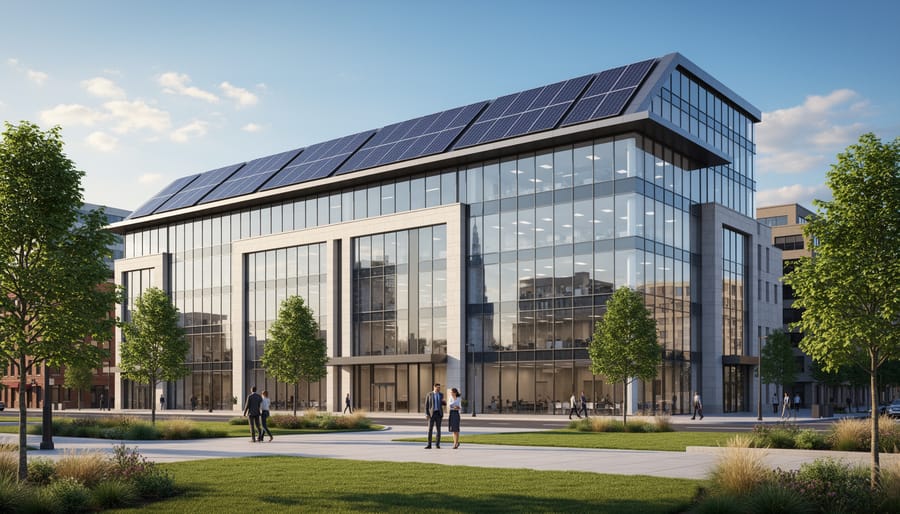
The Financial Incentives You’re Missing Out On
Tax Credits and Deductions That Pay You Back
Understanding the financial incentives available for energy-efficient property improvements can significantly offset your initial investment. Let’s break down the key tax benefits that could put money back in your pocket.
For residential properties, the Energy Efficient Home Improvement Credit allows homeowners to claim up to 30% of the cost of qualifying improvements, including heat pumps, solar panels, energy-efficient windows, and insulation. The annual cap is $1,200 for most improvements, with higher limits of $2,000 for heat pumps and biomass stoves. This credit runs through 2032, giving property owners plenty of time to plan their upgrades strategically.
Commercial property owners have access to even more substantial benefits through Section 179D, the Energy Efficient Commercial Buildings Deduction. This provision allows deductions up to $5.00 per square foot for buildings that achieve specific energy efficiency targets. The improvements must reduce energy costs by at least 25% compared to a reference building, covering areas like HVAC systems, building envelope, and interior lighting.
To claim these benefits, you’ll need proper documentation from certified professionals, including energy audits and installation certificates. The IRS Form 5695 handles residential credits, while commercial deductions typically require specialized tax professional assistance. Many states offer additional incentives that stack with federal benefits, potentially doubling your savings. California, New York, and Massachusetts lead with particularly generous programs covering renewable energy installations and efficiency upgrades. Check your state’s energy office website for specific programs, as these change frequently and often operate on a first-come, first-served basis with limited annual funding.
Green Financing Options That Make Upgrades Affordable
Upgrading to energy-efficient systems doesn’t have to drain your savings account, thanks to specialized green financing options designed specifically for sustainable improvements. These innovative lending products recognize that energy upgrades add measurable value to properties while reducing long-term operating costs.
PACE financing (Property Assessed Clean Energy) stands out as a game-changer for property owners. Unlike traditional loans that appear as debt on your balance sheet, PACE financing attaches to the property itself through a special tax assessment. You repay the loan through your property tax bill over 10-20 years, and if you sell the property, the obligation transfers to the new owner. This structure makes it easier to qualify since approval focuses on property equity rather than credit scores.
Green mortgages, also called energy-efficient mortgages, allow homebuyers to finance both the purchase price and energy improvements in a single loan. Lenders recognize that lower utility bills improve your debt-to-income ratio, potentially qualifying you for a larger loan amount. Some programs even waive certain fees or offer reduced interest rates for certified green properties.
Energy-efficient improvement loans through programs like the Greener Homes Loan Initiative provide interest-free financing up to $40,000 for qualifying retrofits. These government-backed programs typically require an energy audit before and after improvements, ensuring your investment delivers real savings.
The key advantage across all these options? They’re structured around the understanding that energy upgrades pay for themselves over time through reduced utility costs. Many programs offer flexible terms that align monthly payments with your expected energy savings, meaning your upgrade essentially funds itself while increasing your property’s market value and appeal to environmentally conscious buyers.
Five Energy Solutions Transforming Properties Right Now
Solar Integration Beyond Rooftop Panels
Today’s solar technology extends far beyond traditional rooftop panels, offering diverse options for different property types and investment goals. Community solar programs allow participants to benefit from shared solar installations without installing panels on their own properties—ideal for renters, condo owners, or properties with unsuitable roofs. Solar shingles provide a sleek alternative that integrates seamlessly with your roof’s aesthetic while generating power.
For commercial properties, larger-scale installations often deliver stronger returns through economies of scale and accelerated depreciation benefits. ROI timelines typically range from 7-12 years for residential systems and 5-8 years for commercial installations, though solar financing options like power purchase agreements can eliminate upfront costs entirely.
Insurance considerations are straightforward—most homeowner policies cover solar installations, though you should notify your carrier and verify adequate coverage for replacement costs. The property value impact is consistently positive, with studies showing solar installations typically increase home values by 3-4 percent. For investment properties, solar can reduce operating expenses while commanding premium rents, creating dual revenue benefits that strengthen your overall portfolio performance.

Smart HVAC Systems That Learn Your Building
Modern HVAC systems have evolved far beyond simple thermostats. Today’s smart climate control technology uses artificial intelligence to study your building’s unique patterns—learning when spaces are occupied, how outdoor temperatures affect indoor comfort, and where energy waste typically occurs. These intelligent systems can reduce heating and cooling costs by 20-40% compared to traditional setups.
The game-changer is zoned climate control, which treats different areas of your property independently. Instead of cooling an entire building uniformly, these systems direct conditioned air only where needed. Your vacant conference room stays at an energy-saving temperature while occupied offices remain comfortable.
Predictive maintenance represents another financial advantage. Smart sensors monitor equipment performance continuously, alerting you to potential failures before they happen. This prevents costly emergency repairs and extends equipment lifespan—reducing your total ownership costs significantly. For property investors, these systems enhance asset value while generating immediate utility savings. The initial investment typically pays for itself within 3-5 years through reduced energy bills, and many utility companies offer rebates that further improve your return on investment.

LED and Smart Lighting Systems
LED and smart lighting systems represent one of the fastest payback periods among energy upgrades, often recovering costs within 18-36 months. Modern LED bulbs consume up to 75% less electricity than traditional incandescent lighting while lasting 25 times longer, immediately reducing both energy bills and maintenance expenses.
Smart lighting takes efficiency further through automation. Motion sensors ensure lights activate only when spaces are occupied, particularly valuable in common areas, hallways, and outdoor spaces. Daylight harvesting systems use photosensors to automatically dim artificial lighting when natural light is sufficient, reducing daytime electricity consumption by 20-60% depending on window placement and building orientation.
For property investors, these systems enhance market value while lowering operating costs. Programmable schedules allow vacation rentals and commercial properties to minimize waste during unoccupied periods. Many utility companies offer rebates covering 15-30% of LED upgrade costs, further shortening payback periods. Installation requires minimal disruption, making this an ideal entry point for property owners new to energy efficiency improvements.
Building Envelope Improvements
The building envelope—your property’s protective shell—offers some of the most cost-effective energy upgrades available. Think of it as the boundary between your controlled indoor environment and the unpredictable outdoors.
Insulation upgrades deliver immediate dividends. Adding blown-in cellulose to attics or spray foam to rim joists can reduce heating and cooling costs by 15-20% annually. Modern high-performance windows with Low-E coatings and argon fills prevent heat transfer while blocking harmful UV rays that fade furnishings. The upfront investment typically pays for itself within 7-10 years through reduced utility bills.
Air sealing represents the unsung hero of envelope improvements. Professional blower door tests identify leaks around outlets, baseboards, and penetrations. Sealing these gaps with caulk and weatherstripping costs relatively little but prevents conditioned air from escaping—often reducing energy consumption by 10-15%. Many utility companies offer rebates for these improvements, and enhanced energy efficiency can lower property insurance premiums while increasing market value. Comfortable tenants with predictable utility costs are also more likely to renew leases.
Energy Management Software and IoT Integration
Modern energy management has evolved far beyond simple thermostats. Today’s sophisticated software platforms combined with Internet of Things (IoT) sensors create powerful ecosystems that monitor and optimize energy consumption across entire property portfolios in real-time. These systems track everything from HVAC performance to lighting usage, identifying inefficiencies that would otherwise go unnoticed.
The real magic happens through automated controls that adjust energy use based on occupancy patterns, weather forecasts, and utility rate fluctuations. For example, the system might pre-cool a building during off-peak hours when electricity rates are lower, then reduce consumption during expensive peak periods. Data analytics platforms aggregate this information, providing property managers with actionable insights that typically reduce energy costs by 15-30% annually.
For real estate investors, these technologies offer compelling financial advantages. The initial investment in sensors and software typically pays for itself within two to three years through reduced utility bills. More importantly, properties equipped with smart energy management command premium rents and higher valuations. Insurance providers are also taking notice, with some offering reduced premiums for properties demonstrating proactive risk management through continuous monitoring systems that can detect potential equipment failures before they cause costly damage.
How Energy Efficiency Changes Your Insurance and Risk Profile
Energy-efficient properties aren’t just good for your utility bills—they’re increasingly attractive to insurance companies, which can translate into meaningful savings on your premiums. Insurers recognize that green buildings typically face lower risks across multiple categories, from fire hazards to weather-related damage, and they’re adjusting their pricing accordingly.
Many insurance carriers now offer premium discounts ranging from 5% to 15% for properties with verified green certifications like LEED or ENERGY STAR. These reductions reflect the reality that energy-efficient homes often incorporate superior construction materials, advanced fire-resistant insulation, and upgraded electrical systems that reduce claim frequency. Some insurers have created specialized green building endorsements that provide replacement cost coverage using sustainable materials, ensuring your property can be rebuilt to the same efficiency standards after a covered loss.
However, installing renewable energy systems introduces new coverage considerations. Solar panels, battery storage units, and geothermal systems represent significant investments that require proper insurance protection. Standard homeowners policies may not adequately cover these additions, particularly if they exceed certain value thresholds. You’ll need to review your policy limits and potentially add scheduled equipment coverage to protect against damage, theft, or malfunction of these systems.
The liability dimension deserves attention too. If you’re generating excess energy and selling it back to the grid, some insurers may view this as a business activity requiring additional coverage. Similarly, properties with extensive renewable installations might need higher liability limits to cover potential injuries during maintenance or equipment failures.
Smart risk management means documenting all energy upgrades with receipts, certifications, and professional installation records. This documentation not only supports insurance claims but also helps negotiate better rates. Regular maintenance of energy systems reduces breakdown risks and demonstrates to insurers that you’re a responsible property owner. Some forward-thinking carriers even offer usage-based discounts for properties with smart home energy monitoring systems, recognizing that real-time oversight reduces loss potential.
As climate-related weather events increase insurance costs nationwide, energy-efficient properties with enhanced resilience features—like backup battery systems and superior weatherproofing—may become essential for maintaining affordable coverage.
Navigating the Implementation Process Without Headaches
Starting With an Energy Audit That Actually Matters
A professional energy audit forms the foundation of any successful energy upgrade strategy, but not all audits deliver equal value. Start by selecting certified auditors through credentials like BPI (Building Performance Institute) or RESNET accreditation. These professionals use diagnostic tools including blower door tests and thermal imaging cameras to identify exactly where your property loses energy and money.
During the audit, expect a comprehensive evaluation covering insulation levels, HVAC efficiency, air leakage points, and appliance performance. The auditor should provide a detailed report ranking improvements by potential energy savings and implementation costs. This is where smart prioritization begins.
Focus on recommendations offering the highest return on investment first. Typically, air sealing and insulation upgrades deliver 15-25% energy savings at relatively low costs, making them ideal starting points. HVAC replacements require larger upfront investments but can reduce heating and cooling costs by 20-40% over time.
Consider property-specific factors too. A rental property might prioritize durable, low-maintenance upgrades, while a home you’re preparing to sell benefits from improvements that boost market value. Request payback period calculations for each recommendation to align energy upgrades with your financial goals and timeline.
Choosing Contractors and Avoiding Common Pitfalls
Selecting the right contractor can make or break your energy efficiency project. Start by requesting at least three detailed quotes and verify each contractor holds proper licenses, insurance coverage, and relevant certifications like NABCEP (North American Board of Certified Energy Practitioners) for solar installations or BPI (Building Performance Institute) credentials for energy audits.
Don’t skip the reference check. Ask for recent project examples similar to yours and contact previous clients about their experience. Red flags include pressure tactics, requests for large upfront deposits, or reluctance to provide written estimates.
Your contract should clearly outline project timelines, payment schedules tied to completion milestones, and detailed equipment specifications including make, model, and efficiency ratings. Ensure warranty coverage is explicitly stated, distinguishing between manufacturer warranties (typically 10-25 years for solar panels) and workmanship guarantees (usually 1-5 years).
Request proof of permits and confirm the contractor will handle all inspections and interconnection applications. Review cancellation policies carefully, especially for financing agreements that may outlive unsatisfactory installations. Consider including performance guarantees where contractors commit to specific energy savings targets, creating accountability beyond installation day. Finally, verify the contractor maintains errors and omissions insurance, protecting you against installation mistakes that could affect your property value or financing arrangements.
Measuring Results and Proving ROI
Tracking your energy upgrades isn’t just good practice—it’s essential for proving their value. Start by establishing baseline utility costs before implementing improvements, then monitor monthly bills to calculate actual savings. Most utility companies provide detailed usage history that makes this comparison straightforward. Smart home energy monitors can offer real-time data, giving you precise metrics on consumption patterns and reductions.
Documentation matters significantly when it’s time to sell or refinance. Maintain records of all energy upgrades, including receipts, contractor certifications, and performance specifications. Professional energy audits conducted before and after improvements provide third-party validation of efficiency gains. These reports become powerful tools during appraisals, potentially increasing your property’s assessed value by demonstrating lower operating costs and modernized systems.
The data you collect serves double duty as justification for future investments. When considering additional upgrades, you can reference proven ROI from previous projects. Calculate payback periods by dividing upgrade costs by annual savings—this simple metric helps prioritize which improvements deliver the fastest returns. Many property owners find that documented energy savings strengthen their position when applying for green financing programs or negotiating insurance premiums, as carriers increasingly recognize energy-efficient properties as lower-risk investments.
The Competitive Advantage for Real Estate Professionals
In today’s competitive real estate market, energy efficiency knowledge isn’t just a nice-to-have—it’s becoming essential for professionals who want to stand out. As more buyers prioritize sustainability and lower operating costs, agents and brokers equipped with sustainability expertise gain a powerful edge over their competition.
Real estate professionals who understand energy solutions can provide clients with concrete value propositions. When marketing properties, you can highlight specific efficiency features like smart thermostats, solar panels, or superior insulation with actual dollar-value savings projections. This transforms vague green marketing into compelling financial narratives that resonate with cost-conscious buyers.
Beyond marketing, energy-savvy agents become trusted advisors rather than just transaction facilitators. You can guide sellers on which energy improvements offer the best ROI before listing, help buyers identify properties with hidden efficiency advantages, and connect clients with financing options like PACE loans or green mortgages that make sustainable upgrades accessible.
Property managers particularly benefit from this knowledge when advising building owners on capital improvements. Understanding how energy audits work, what incentives apply, and how upgrades impact insurance premiums positions you as an invaluable strategic partner rather than just a rent collector.
The career development opportunities are substantial. Obtaining certifications in energy efficiency or green building standards opens doors to specialized niches with less competition and higher commission potential. Commercial real estate professionals especially find that energy expertise becomes crucial when working with corporate clients who have sustainability mandates or ESG reporting requirements.
As building codes tighten and disclosure requirements expand, energy literacy will shift from differentiator to prerequisite. Real estate professionals who build this knowledge base now position themselves ahead of inevitable industry shifts, creating lasting competitive advantages in an evolving marketplace.
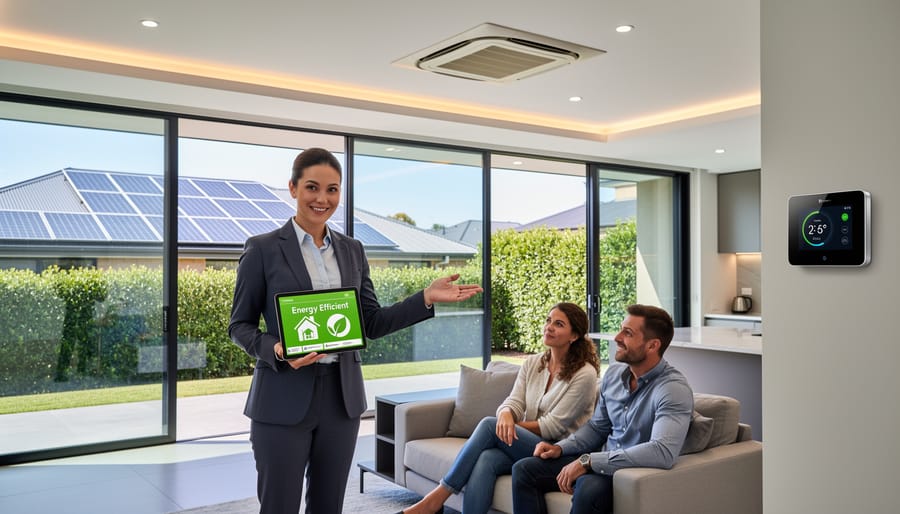
Energy real estate solutions represent more than just property upgrades—they’re strategic investments that deliver measurable financial returns while contributing to a more sustainable future. Whether you’re reducing operational costs through lower utility bills, increasing property values, accessing tax incentives, or securing favorable insurance rates, the economic case for energy efficiency has never been stronger. Simultaneously, you’re making a meaningful environmental impact that resonates with today’s eco-conscious buyers and tenants.
The path forward doesn’t require massive immediate commitments. Start with actionable first steps: schedule a professional energy audit to identify your property’s specific opportunities, explore the various financing options available that can eliminate upfront cost barriers, or consult with specialists who understand both the technical and financial aspects of energy improvements. Many property owners discover that incentives and savings make these upgrades far more accessible than initially imagined.
The landscape of sustainable real estate continues to evolve rapidly, with advancing technologies, expanding incentive programs, and growing market demand creating an increasingly favorable environment for energy-conscious property owners. Insurance companies are refining their green property policies, lenders are developing innovative financing products, and municipalities are implementing new programs to support energy transitions. Those who act now position themselves advantageously in this shifting marketplace, benefiting from current incentives while building properties that meet tomorrow’s expectations. The question isn’t whether to pursue energy solutions—it’s how quickly you can begin capturing their dual benefits.