
Evaluate your home’s energy-efficient features against your current insurance policy to identify immediate premium reduction opportunities—solar panels, smart thermostats, and high-efficiency HVAC systems can qualify you for discounts ranging from 5% to 20% with many carriers. Request quotes from at least three insurers that specialize in green home insurance benefits, as traditional carriers often overlook the reduced risk profile these properties represent.
Document all sustainable upgrades with receipts, certifications, and professional installation records before speaking with insurers—LEED certification, ENERGY STAR ratings, and third-party green building verifications carry significant weight in underwriting decisions. Understand that eco-friendly materials like bamboo flooring or recycled composite roofing may require specialized replacement cost coverage, since standard policies often default to conventional materials that could compromise your home’s sustainability credentials during repairs.
Calculate the total cost of ownership beyond just premium savings—green homes typically experience 25% fewer weather-related claims due to superior building envelopes and water management systems, which translates to better long-term insurability and fewer rate increases. Review policy exclusions carefully, particularly for emerging technologies like geothermal systems, battery storage, or greywater recycling equipment that may not appear in standard coverage templates.
The insurance landscape for eco-friendly properties has fundamentally shifted over the past five years. What once represented a niche market now commands serious attention from major carriers recognizing that sustainable construction directly correlates with lower claim frequency and severity. Yet this opportunity comes with complexity—green homes require insurance professionals who understand both environmental building science and coverage architecture, a combination that remains frustratingly rare in the industry.
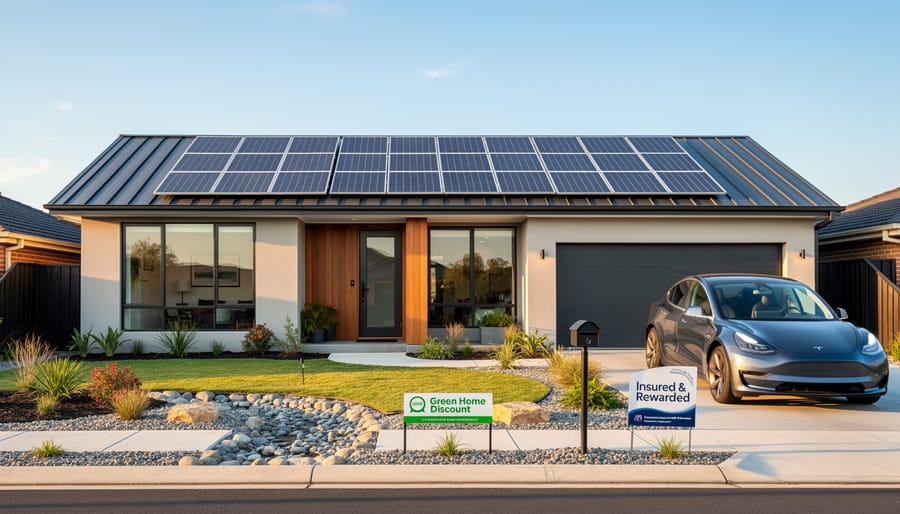
Why Insurers Love Eco-Friendly Homes (And Reward Them)
The Risk Reduction Factor
From an insurance underwriting perspective, eco-friendly homes represent lower actuarial risk, which translates directly into premium reductions. Here’s why insurers are taking notice of green construction features.
Impact-resistant materials are game-changers in risk assessment. Homes built with reinforced roofing systems, hurricane-rated windows, and fiber-cement siding demonstrate measurably better performance during severe weather events. Insurance companies have decades of claims data showing these materials significantly reduce damage severity. For instance, a metal roof can withstand wind speeds up to 140 mph, compared to traditional asphalt shingles that fail around 90 mph. This resilience means fewer claims and lower payout amounts when disasters strike.
Advanced water management systems address one of the most common and costly insurance claims: water damage. Smart leak detection sensors, greywater recycling systems, and properly graded drainage networks prevent the slow leaks and flooding incidents that generate billions in annual claims. Some insurers now offer premium discounts of 5-15% for homes equipped with automatic water shut-off systems alone.
Fire-resistant construction features like fiber-cement siding, metal roofing, and defensible space landscaping dramatically reduce wildfire risk, particularly crucial in high-risk zones. These materials don’t just protect the home; they prevent the catastrophic total losses that drive up insurance costs for entire neighborhoods.
The bottom line: sustainable construction isn’t just environmentally responsible. It’s actuarially sound, creating a win-win scenario where homeowners enjoy lower premiums while insurers reduce their exposure to high-cost claims.
Real Premium Savings: What to Expect
The financial incentives for insuring eco-friendly homes are more substantial than many homeowners realize. Insurance providers typically offer discounts ranging from 5% to 20% on premiums for properties with verified green certifications and sustainable features.
Homes with LEED certification commonly qualify for discounts between 10% and 15%, translating to annual savings of $150 to $300 for a policy averaging $2,000 per year. Energy Star-certified homes often see reductions in the 5% to 10% range, while properties with advanced storm-resistant features like impact-resistant roofing or reinforced windows can unlock additional 10% to 15% discounts.
Specific upgrades deliver measurable returns. Solar panels with battery backup systems may reduce premiums by 8% to 12%, while whole-home water leak detection systems earn 5% to 7% discounts. Green roofs and superior insulation that minimize fire risk and weather damage can combine for savings approaching 20% with some carriers.
To calculate insurance costs accurately for your eco-friendly property, request quotes from multiple insurers specializing in green homes. Document all certifications and upgrades with your agent, as bundling multiple sustainable features often unlocks the highest discount tiers and maximizes your long-term savings potential.
Green Features That Qualify for Insurance Discounts
Energy-Efficient Systems and Solar Installations
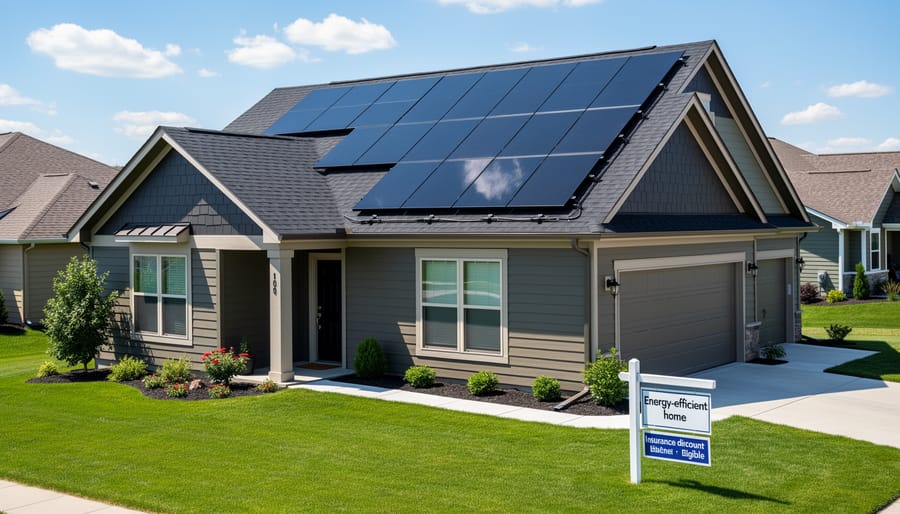
Solar panels and energy-efficient systems aren’t just good for the planet—they’re increasingly attractive to insurance companies. Here’s why: these technologies actually reduce risk. Solar installations with proper certifications demonstrate homeowner commitment to maintenance, while energy-efficient HVAC systems generate less heat stress on electrical components, lowering fire hazards.
Smart thermostats contribute to risk reduction by monitoring temperature fluctuations and detecting potential system failures before they become catastrophic. Many insurers recognize this preventive value and offer discounts ranging from 5% to 20% on premiums for homes with certified renewable energy systems.
However, there’s a catch. Solar panels increase your home’s replacement value, so you’ll need to update your coverage limits accordingly. Some policies exclude damage to solar equipment from standard coverage, requiring separate endorsements. Additionally, older panel installations may need recertification to qualify for discounts.
When shopping for coverage, ask specifically about green technology discounts and request documentation of what qualifies. Some insurers partner with specific equipment manufacturers, while others accept broader certifications. The key is ensuring your energy-efficient investments translate into both lower utility bills and reduced insurance costs—a true win-win for financially savvy homeowners.
Water Conservation and Storm Management
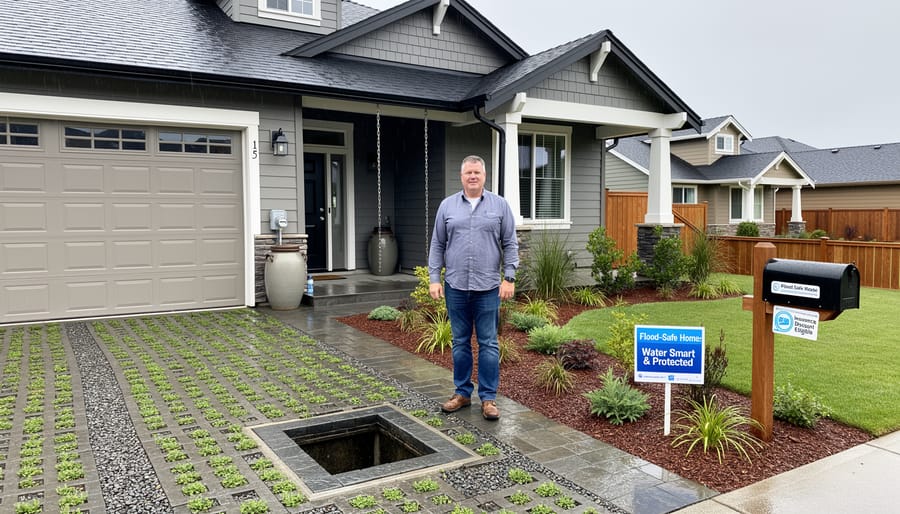
Smart water management systems do more than just reduce utility bills—they can significantly lower your insurance premiums by minimizing water damage risks, one of the costliest claims insurers face. Rainwater harvesting systems collect and store precipitation for irrigation and non-potable uses, reducing strain on municipal water supplies while cutting monthly expenses by 30-50% in some regions.
Drought-resistant landscaping featuring native plants eliminates the need for extensive irrigation systems that can malfunction and cause foundation damage. These xeriscaping designs also reduce your property’s vulnerability during water restrictions, maintaining curb appeal and property value regardless of drought conditions.
Permeable surfaces like porous pavement and gravel driveways allow water to filter naturally into the ground rather than overwhelming storm drains. This feature is increasingly attractive to insurers because it reduces flooding potential—a critical consideration as climate change intensifies storm frequency and severity.
Flood mitigation features such as rain gardens, retention ponds, and proper grading direct water away from your home’s foundation. From an insurance perspective, these improvements demonstrate proactive risk management, potentially qualifying you for reduced premiums or specialized green home policies that reward preventative measures. When shopping for coverage, document these water-management features thoroughly—they’re your leverage for negotiating better rates.
Sustainable Building Materials
Investing in sustainable building materials delivers dual benefits: environmental responsibility and significant financial advantages through reduced insurance premiums and maintenance costs. Impact-resistant windows, for instance, protect against storm damage while potentially qualifying your home for wind mitigation discounts of 10-45% in hurricane-prone areas. These high-performance windows withstand flying debris and pressure changes that would shatter standard glass, meaning fewer claims and lower replacement expenses over time.
Fire-resistant roofing materials like metal, slate, or Class A asphalt shingles offer superior protection compared to traditional options, often resulting in premium reductions of 5-15% depending on your location and wildfire risk. Beyond insurance savings, these materials typically last 50-100 years versus 20-30 years for conventional roofing, dramatically cutting long-term replacement costs.
Recycled building materials have evolved far beyond their eco-warrior reputation. Today’s recycled steel framing, reclaimed wood, and composite decking match or exceed traditional materials in durability while reducing manufacturing waste. Insurers increasingly recognize that homes built with certified sustainable materials often demonstrate enhanced structural integrity, translating to fewer claims and better coverage terms. When shopping for coverage, ask your agent specifically about green building material credits—many carriers offer these discounts but don’t advertise them prominently.
Green Certifications That Matter
Insurers typically recognize three major green certifications when evaluating homes for discounts. LEED (Leadership in Energy and Environmental Design) certification, ranging from Certified to Platinum levels, demonstrates comprehensive sustainable design and construction. Energy Star certification focuses specifically on energy efficiency, making it the most common credential for insurance premium reductions. Passive House certification, though less prevalent in the U.S., represents the highest standard for energy performance and often yields the most significant savings.
To qualify for insurance discounts, homeowners need proper documentation. Keep your certification certificates, third-party verification reports, and inspection records readily available. Some insurers require annual energy audits or utility bill documentation proving continued efficiency. Before purchasing a certified green home, request all original certification paperwork from the seller—missing documentation could mean losing out on valuable insurance discounts despite having qualifying features.
Navigating Coverage Gaps in Eco-Friendly Homes
The Replacement Cost Reality
Here’s the reality: that reclaimed bamboo flooring and those solar panels aren’t available at your local big-box store. When eco-friendly materials need replacement after damage, you’re often looking at specialty suppliers, longer lead times, and premium price tags. A standard shingle roof might cost $8,000 to replace, but a Tesla Solar Roof could run $40,000 or more.
This is where many green homeowners get caught off guard. Standard insurance policies typically use replacement cost coverage based on conventional building materials. If your policy calculates coverage using traditional construction costs but your home features sustainable hardwoods, recycled steel beams, or custom energy-efficient windows, you could face a significant shortfall after a claim.
The solution? Review your policy’s replacement cost calculation with your insurer and specifically discuss eco-friendly features. Request a specialized appraisal if needed. Many insurers now offer green replacement cost endorsements that account for sustainable materials, but you’ll need to ensure your adequate coverage limits reflect these higher costs. It’s better to pay slightly higher premiums now than discover a coverage gap when you’re rebuilding.
Solar Panel Insurance Pitfalls
Solar panels create unique insurance blind spots that catch many homeowners off guard. Standard homeowners policies typically cap personal property coverage for solar equipment far below replacement costs—often limiting coverage to just $1,000 or $2,000 for panels that cost $15,000 or more to install. Even worse, many insurers exclude damage caused by inverter failure, which is one of the most common solar system malfunctions.
The roof coverage question trips up buyers regularly. Your dwelling coverage usually extends to roof-mounted panels, but there’s a catch: if your roof needs replacement or repair due to the weight of the panels or installation errors, many policies exclude this damage. Ground-mounted systems face different hurdles, sometimes classified as detached structures with separate, lower coverage limits.
You’ll likely need specialized endorsements to fully protect your investment. A solar equipment endorsement typically adds 15-30 dollars annually per $1,000 of panel value and covers replacement cost rather than depreciated value. Also consider production loss coverage, which reimburses you for lost electricity generation if your system goes offline. Smart real estate investors request proof of these endorsements before purchasing green properties, as inadequate coverage can turn an eco-friendly asset into a financial liability when damage strikes.
Smart Home Technology Coverage
Your eco-friendly home’s smart technology deserves specialized coverage that standard policies often overlook. High-value systems like Tesla Powerwalls, home battery storage units, and Level 2 EV chargers typically cost $10,000-$30,000 combined, yet many homeowners discover they’re underinsured only after a power surge or storm damage occurs.
Smart environmental controls, solar monitoring systems, and integrated energy management platforms require specific equipment breakdown coverage. Traditional home insurance policies may cap electronics coverage at $2,500-$5,000, leaving significant gaps for advanced green technology. When obtaining quotes, specifically itemize your battery storage capacity, EV charging infrastructure, and automated HVAC systems to ensure proper valuation.
Consider cyber liability endorsements as well, since internet-connected solar inverters and smart thermostats create potential security vulnerabilities. Some insurers now offer technology replacement cost coverage that accounts for rapid improvements in green tech, ensuring you’re not stuck replacing a damaged 2024 system with outdated equivalent technology when newer, more efficient options exist.
Strategic Insurance Shopping for Green Homeowners
Finding Green-Friendly Insurance Carriers
Several major carriers now offer dedicated green home insurance programs worth exploring. State Farm, Nationwide, and Farmers Insurance provide enhanced coverage for eco-friendly features and streamlined replacement with sustainable materials after claims. These programs often include higher reimbursement limits for green upgrades and specialized endorsements for renewable energy systems.
For homeowners seeking specialized coverage, niche providers like Kin Insurance and Hippo have built their platforms around sustainability, offering tech-driven policies that reward energy efficiency. Root Insurance and Lemonade also emphasize environmental responsibility in their business models, potentially translating to better rates for green-certified homes.
When shopping for coverage, prepare essential questions to ask insurers about their green programs. Inquire whether they offer discounts for LEED or Energy Star certifications, how they value sustainable building materials, and if they guarantee eco-friendly replacements post-loss. Ask about coverage limits for solar panels, geothermal systems, and rainwater collection equipment. Confirm whether their policies include inflation protection that accounts for premium green materials. Finally, request documentation of any green discounts in writing before committing to ensure you’re maximizing your savings while protecting your sustainable investment.
Documentation That Maximizes Discounts
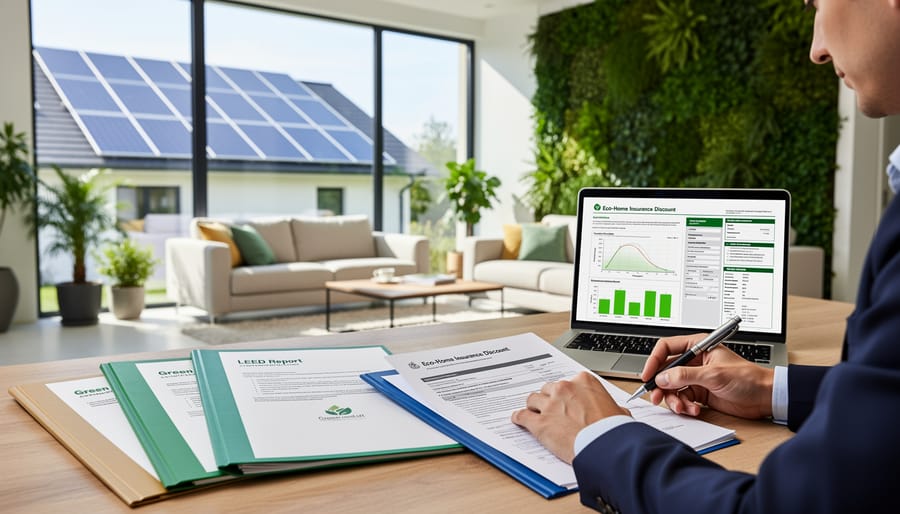
Securing maximum insurance discounts on your eco-friendly home requires thorough documentation that proves your green features actually reduce risk. Start with a professional energy audit report from a certified assessor, which quantifies your home’s efficiency improvements and demonstrates reduced fire or water damage risks to insurers.
Keep all certification paperwork organized, including LEED, Energy Star, or regional green building certifications. These third-party validations carry significant weight with insurance underwriters who need objective proof of your home’s enhanced construction quality. Many insurers offer discounts ranging from 5% to 20% when you can present official certifications.
Maintain detailed contractor receipts and installation records for every green upgrade. This includes solar panel specifications, impact-resistant roofing materials, smart water leak detection systems, and fire-resistant sustainable materials. Your insurance agent will need these documents to verify that installations meet safety standards and were completed by licensed professionals.
Building specifications matter tremendously. Architectural plans showing fortified construction, advanced HVAC systems, and whole-home backup generators demonstrate resilience that translates directly into lower premiums. The more comprehensively you can document how your green features exceed standard building codes, the stronger your negotiating position when shopping for coverage. Think of this documentation as your discount portfolio—incomplete records often mean leaving money on the table.
Bundling and Additional Discount Opportunities
Green discounts become even more powerful when combined with other premium reduction strategies. Most insurers allow you to stack eco-friendly credits alongside traditional savings opportunities, creating compound discounts that can significantly lower your overall costs.
Start by bundling your homeowners policy with auto insurance through the same carrier. This multi-policy discount typically saves 15-25% and applies before or after your green home credits, depending on the insurer’s calculation method. Ask your agent specifically how they layer these discounts to maximize savings.
Claims-free discounts reward homeowners who haven’t filed recent claims, often adding another 10-20% reduction. Since eco-friendly features like impact-resistant roofing and advanced water leak detection systems help prevent damage, green homeowners frequently qualify for this bonus.
Protective device discounts complement green features beautifully. Your smart home security system, monitored fire alarms, and hurricane shutters each earn separate credits while enhancing your property’s sustainability profile. Modern green homes with integrated monitoring technology particularly benefit here.
Don’t overlook loyalty discounts for staying with the same insurer, automatic payment reductions, and paperless billing credits. When combined strategically, these seemingly small percentages can reduce premiums by 40-50% or more. Request a discount audit from your insurance agent annually to ensure you’re capturing every available opportunity as you add eco-friendly upgrades.
Future-Proofing Your Green Home Investment
Climate Change and Insurance Availability
As climate-related disasters intensify, insurers are pulling back from high-risk markets, leaving homeowners in fire zones, flood plains, and coastal areas facing skyrocketing premiums or outright coverage denials. This is where eco-friendly features become your strategic advantage. Green homes equipped with resilient materials, wildfire-resistant construction, and advanced water management systems demonstrate lower risk profiles that insurers value. For properties in California’s wildfire corridors or Florida’s hurricane zones, features like impact-resistant windows, fire-resistant roofing, and drought-tolerant landscaping can mean the difference between affordable coverage and being forced into expensive state-assigned risk pools.
Investing in climate resilience insurance strategies through green upgrades protects your property’s long-term insurability. Solar panels with battery backup ensure you can weather utility disruptions, while elevated foundations and improved drainage systems reduce flood vulnerability. These aren’t just environmental choices—they’re financial risk management tools that keep your property insurable as climate risks escalate and traditional coverage options shrink.
Resale Value and Transferable Insurance Benefits
When it’s time to sell your eco-friendly home, those insurance advantages you’ve been enjoying become powerful marketing tools. Smart sellers are now documenting their insurance premium savings over the years, creating a compelling financial narrative for potential buyers. These records demonstrate real dollars saved, making your green features more than just environmental talking points.
Transferable benefits add tangible value to your property. Many insurers allow green certification discounts to transfer to new homeowners, meaning buyers can immediately start saving on premiums. LEED, Energy Star, and other certifications should be prominently featured in listing materials alongside documentation of historical insurance costs. This transparency helps buyers calculate total cost of ownership more accurately.
Consider creating a comprehensive “green home package” for prospective buyers that includes certification documents, insurance discount verification letters, and utility bill histories. Some forward-thinking sellers even arrange pre-qualification meetings with their insurance agents, allowing buyers to confirm available discounts before making offers. This proactive approach removes uncertainty and positions your property as a financially smart investment, not just an environmentally conscious choice. Remember, in competitive markets, demonstrating lower ongoing costs including insurance can be the differentiator that closes the deal.
Eco-friendly homes represent more than just an environmental statement—they’re a strategic financial decision that directly impacts your insurance costs and long-term property protection. As we’ve explored, green features like impact-resistant roofing, efficient HVAC systems, and smart home technology don’t just reduce your carbon footprint; they actively lower your premiums while strengthening your home against various risks.
The dual benefits are clear: you’ll enjoy reduced insurance costs through specialized green discounts, potentially saving 5-20% annually, while simultaneously investing in a property with enhanced resilience against water damage, fire, and extreme weather events. However, the key to maximizing these advantages lies in taking proactive steps.
Now is the time to audit your current homeowners insurance policy. Contact your insurer to discuss available green home discounts—many homeowners leave money on the table simply because they haven’t asked about eco-friendly incentives. If you’re shopping for coverage, request quotes from multiple carriers and specifically inquire about their green building programs and sustainable upgrade credits.
Remember, eco-friendly homeownership isn’t just about doing right by the planet; it’s about making smart financial decisions that protect your investment for decades to come. Your green home deserves coverage that recognizes and rewards its superior construction and reduced risk profile.