
Life insurance in Nova Scotia works like anywhere else in Canada, but understanding your provincial consumer protections and how coverage ties to your biggest asset (your home) can save your family from financial disaster. Whether you’re a first-time homebuyer in Halifax or a seasoned property investor in Cape Breton, life insurance serves as the safety net that keeps your mortgage paid, your estate intact, and your loved ones financially secure when the unthinkable happens.
Here’s what matters: Nova Scotia residents have access to the same range of life insurance products as other Canadians (term, whole life, universal life), but you also benefit from specific complaint resolution pathways through the Canadian Council of Insurance Regulators and the OmbudService for Life and Health Insurance at 1-888-295-8112 if disputes arise. That layer of consumer protection matters when you’re making a decision that could involve hundreds of thousands of dollars.
For property owners, life insurance isn’t just about replacing income. It’s about protecting the equity you’ve built, ensuring your family can keep the home, and funding your will and estate plan without forcing a fire sale of real estate. The life insurance secrets seasoned homeowners know revolve around coverage amounts tied to debt obligations, not just income replacement formulas.
This guide walks you through product types available in 2026, how to compare providers operating in Nova Scotia, and the real estate-focused strategies that align coverage with your property portfolio and long-term wealth goals.
Why Life Insurance Matters for Nova Scotia Homeowners and Real Estate Investors

When you own property in Nova Scotia, your financial obligations and family assets become deeply intertwined. Life insurance transforms from an abstract financial product into a practical safeguard for the real estate equity you’ve worked to build. If you’re carrying a mortgage or hold investment properties, the right coverage ensures your family won’t face foreclosure or forced property sales during an already difficult time.
Most Nova Scotia homeowners focus on mortgage protection, and for good reason. Your outstanding mortgage balance represents one of your largest debts, and life insurance can retire that obligation if something happens to you. Declining term insurance policies work particularly well here because they mirror how mortgages actually behave, your coverage decreases as your principal balance drops through amortization. This alignment means you’re not overpaying for coverage you no longer need while still protecting your family from housing instability.
For real estate investors managing rental properties or multiple holdings, the calculation shifts. You’re not just protecting a single family home; you’re preserving income streams and portfolio value. Permanent life insurance can fund estate taxes and settlement costs without forcing your heirs to liquidate properties at fire-sale prices. It also provides liquidity in an otherwise illiquid asset class, giving your family options rather than panic decisions.
Real estate protection strategies often combine term policies for mortgage balances with permanent coverage for estate planning needs. This layered approach addresses both immediate debt obligations and long-term wealth transfer goals. Consider how your property portfolio fits into your family’s financial picture, the equity you’ve built deserves the same protection as any other major asset.
The key is matching your coverage to your actual real estate exposure, reviewing it whenever you refinance, purchase additional properties, or pay down significant principal. Your insurance needs evolve exactly as your property holdings do.
Types of Life Insurance Available in Nova Scotia

Nova Scotia residents can access three main categories of life insurance, each designed for different financial goals and levels of coverage flexibility.
Term life insurance provides coverage for a specific period, typically 10, 20, or 30 years. You pay premiums for the duration of the term, and if you die during that period, your beneficiaries receive the death benefit. This is the most affordable option and works well for property owners who want coverage aligned with a specific financial obligation. For example, you might choose a 25-year term to match your mortgage amortization schedule, ensuring your family can pay off the home if something happens to you. Term policies don’t build cash value, and premiums increase substantially if you renew after the term ends.
Permanent life insurance, which includes whole life and universal life policies, provides lifelong coverage and accumulates cash value over time. Whole life offers fixed premiums and guaranteed death benefits, with a savings component that grows at a predetermined rate. Universal life provides more flexibility, letting you adjust premium payments and death benefits within certain limits while the cash value grows based on market performance or interest rates. Real estate investors often use permanent policies as part of estate planning strategies because the cash value can serve as collateral for investment loans or provide liquidity to cover estate taxes without forcing the sale of properties. These policies cost significantly more than term insurance but offer financial planning benefits beyond basic death benefit protection.
Mortgage insurance, sold directly by banks and lenders, is a specialized form of decreasing term insurance. The coverage amount declines as you pay down your mortgage, but your premiums typically stay the same. The lender is the beneficiary, meaning the payout goes directly to cover the outstanding mortgage balance rather than to your family. While convenient to purchase during mortgage approval, this product often costs more per dollar of coverage than an individual term policy you own directly. Property owners with multiple real estate holdings usually benefit more from traditional term or permanent policies that provide flexible coverage amounts and let beneficiaries decide how to use the funds, whether that’s paying off properties, covering taxes, or maintaining income-producing assets.
How to Choose and Compare Life Insurance Providers in Nova Scotia
Choosing the right life insurance provider requires more than picking the first name you recognize. Start by determining how much coverage you actually need. For homeowners, a common approach is to calculate enough to pay off your mortgage, cover outstanding debts, replace your income for a set number of years, and fund children’s education. Real estate investors with multiple properties should factor in the entire portfolio’s debt load and potential estate taxes.
Once you know your coverage target, compare policy structures across providers. Term life offers straightforward protection for a set period, 10, 20, or 30 years, with fixed premiums during that term. Permanent policies like whole or universal life cost more upfront but build cash value and last your lifetime. Consider what fits your real estate timeline. If you’re protecting a 25-year mortgage, term coverage aligned to that amortization often makes the most sense financially.
Pay close attention to riders, which are add-ons that customize your policy. Common riders include critical illness coverage, disability waiver of premium (the insurer pays your premiums if you become disabled), and guaranteed insurability options that let you increase coverage without new medical underwriting. For property investors, a disability rider can be particularly valuable since it protects your ability to keep the policy in force if rental income or other earnings drop.
Working with a licensed broker gives you access to multiple insurers rather than being limited to one company’s products. Brokers can compare coverage options, explain policy differences in plain language, and help you understand which features matter for your situation. Verify that any broker or agent you work with holds a valid license through the provincial regulator. Don’t hesitate to ask how they’re compensated, whether through commissions from insurers or fees you pay directly, since this affects which products they might recommend.
Read the policy illustration carefully before signing. This document shows premiums, coverage amounts, and guaranteed versus projected values for permanent policies. Understand what’s locked in and what could change. Compare illustrations from at least three providers to see how coverage and costs stack up. The cheapest premium isn’t always the best value if the company has a reputation for difficult claims processing or limited flexibility when your circumstances change.
Understanding Your Rights and How to Resolve Insurance Complaints
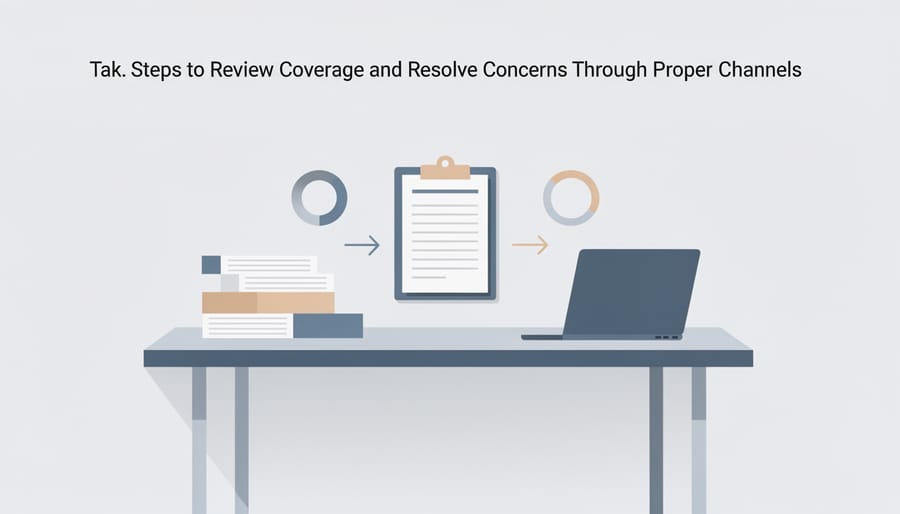
Step 1: Contact Your Insurance Company Directly
When you have a concern about your life insurance policy, whether it’s a billing dispute, a question about insurance payouts tax treatment, or confusion over coverage details, the first step is always to contact your insurance company directly. The CCIR consumer complaint steps make this clear: start by reaching out to your insurer’s representative, whether that’s your broker, agent, or the company’s customer service team.
Most issues get resolved at this stage through straightforward communication. Have your policy number ready, clearly explain the problem, and document the conversation with names and dates. For example, Canada Life complaint contact options include a dedicated phone line at 1-844-222-2264 or a webform through their Contact Us page. Many insurers offer similar multiple channels.
Give the company a reasonable window, typically 10 to 15 business days, to investigate and respond. If they resolve your concern satisfactorily, you’re done. If not, you can escalate to the next level.
Step 2: Escalate to the Company Ombudsman
If your concern isn’t resolved after contacting your insurance company’s representative directly, the next step is escalating to the insurer’s internal ombuds office. Every life insurance company in Canada should have an ombudsman, an independent officer within the organization who reviews complaints and works to mediate disputes between customers and the company.
When you escalate to the ombuds office, you’ll typically need to provide details of your original complaint, along with documentation of your previous attempts to resolve the issue. The ombudsperson will review your case impartially, examining both your position and the company’s response. This internal escalation often resolves disputes that initial customer service channels couldn’t address, particularly when policy interpretation or claims decisions are involved.
You can usually expect a formal review process that takes several weeks, depending on the complexity of your complaint. The ombudsperson will communicate their findings in writing and recommend a resolution. This step is cost-free to you and doesn’t require legal representation, though you’re welcome to have someone assist you with your case documentation.
Step 3: External Complaint Resources for Unresolved Issues
When direct negotiation with your insurer and the company’s internal ombudsman both fail to resolve your complaint, Nova Scotia residents can turn to the OmbudService for Life & Health Insurance (OLHI). This independent, national body handles unresolved life and health insurance disputes for consumers across Canada at no charge to you.
OLHI operates separately from insurance companies and provincial regulators, providing an impartial review of complaints that couldn’t be settled through earlier channels. You can reach them toll-free at 1-888-295-8112 to discuss your case and determine whether your situation falls within their mandate. They typically review complaints involving policy administration, claims handling, coverage disputes, and service quality issues.
Before contacting OLHI, you must first exhaust the insurer’s internal complaint process. The ombudservice will ask whether you’ve already escalated your concern through the company’s representative and ombuds office. If you haven’t completed those steps, they’ll direct you back to resolve the matter internally first.
For general insurance enquiries specific to Nova Scotia regulations, the Nova Scotia ombud service provides additional provincial resources. OLHI focuses specifically on life and health insurance product complaints, making it the appropriate final escalation point for most policy-related disputes Nova Scotia homeowners encounter.
Common Life Insurance Questions Nova Scotia Residents Ask
Does life insurance work differently in Nova Scotia compared to other provinces? The short answer is no, life insurance policies themselves are federally regulated and standardized across Canada. The coverage you purchase in Nova Scotia will function the same way if you move to Ontario, Alberta, or any other province. What does vary slightly is the complaint resolution process and the specific consumer protection resources available through Nova Scotia’s regulatory framework, but your actual policy terms, death benefit, and coverage conditions remain consistent nationwide.
Do I need more life insurance if I own investment properties?
Yes, property owners should factor in mortgage debt, property taxes, and potential capital gains taxes into their coverage calculations. If your real estate portfolio represents significant family wealth, adequate life insurance ensures your heirs can keep the properties or sell them strategically rather than under financial pressure.
How much life insurance should I carry?
A common baseline is 10-12 times your annual income, but property owners should add outstanding mortgage balances, investment property debt, and estate settlement costs. Consider what your family would need to maintain their lifestyle and hold or transition real estate assets without forced sales.
Is mortgage insurance from my bank the same as term life insurance?
No. Bank mortgage insurance pays the lender directly and only covers that specific loan, while term life insurance pays your beneficiaries who can use the funds for any purpose. Term life typically offers better value, portability between properties, and your family controls the proceeds.
What happens to my policy if I move out of Nova Scotia?
Your coverage remains fully valid. Life insurance policies are portable across provincial boundaries, and your death benefit, premium, and terms stay the same. You’ll simply update your address with your insurer and continue making payments as usual.
Another question Nova Scotia residents often ask concerns claim denials. If your insurer denies a claim, you have clear recourse through the complaint resolution process outlined earlier in this article. Start by contacting the insurer directly, companies like Canada Life provide a dedicated complaint line at 1-844-222-2264. If that doesn’t resolve the issue, escalate to the company’s ombuds office, and if still unresolved, contact the OmbudService for Life & Health Insurance at 1-888-295-8112. This independent body serves all Canadian consumers, including Nova Scotia residents, and can review your case at no cost to you.
Life insurance isn’t just another financial product, it’s a fundamental tool for protecting the real estate assets and family security you’ve worked hard to build in Nova Scotia. Whether you’re a first-time homeowner with a new mortgage or a seasoned investor managing multiple properties, the right coverage ensures your family won’t face financial hardship if something happens to you. The key is understanding what’s available, from term policies that align with mortgage amortization to permanent insurance that builds cash value alongside your property portfolio.
Take the time to compare providers carefully rather than accepting the first offer. Work with licensed brokers who can show you options from multiple insurers, and don’t assume your bank’s mortgage insurance is your best choice, independent term life often provides better value and more flexibility. Review your coverage annually as your circumstances change. That rental property you bought, the mortgage you paid down, or the child who graduated all shift your insurance needs.
Know your rights as a consumer. If issues arise, you have a clear escalation path from your insurer’s representative to their ombuds office and ultimately to external oversight. Your financial plan deserves that same level of attention you give to property inspections and market analysis.