
Understanding how national biodiversity strategies connect to your property value starts with recognizing that ecosystem decline directly impacts real estate risks. When wetlands disappear or forests shrink near residential areas, flooding risks increase, wildfire exposure grows, and property insurance becomes more complicated to secure. National Biodiversity Strategies and Action Plans (NBSAPs) represent each country’s roadmap for protecting ecosystems, and these policies are increasingly shaping local development regulations, hazard disclosures, and insurance underwriting decisions in 2026.
These strategies matter to homeowners because they translate into zoning restrictions, conservation easements, and environmental protections that affect what you can build, where you can develop, and how insurers assess location-based risks. A property adjacent to a protected habitat corridor faces different development constraints than one in an unrestricted zone. Insurance companies now examine biodiversity metrics when calculating premiums for areas prone to ecosystem-related hazards like erosion, flooding, or wildfire spread.
The connection isn’t abstract. Regional implementation of biodiversity plans determines local environmental buffers, green infrastructure requirements, and disaster mitigation standards. When communities align with these strategies by preserving natural flood barriers or maintaining fire-resistant vegetation zones, they’re addressing the same environmental risks that drive up insurance costs and property damage claims.
Rather than viewing NBSAPs as distant policy documents, consider them frameworks that influence the physical protections and environmental conditions surrounding your investment. Understanding these plans helps you anticipate regulatory changes, assess long-term property resilience, and make informed decisions about where environmental protections strengthen rather than complicate ownership.
What National Biodiversity Strategies Mean for Your Property
National Biodiversity Strategies and Action Plans represent each country’s commitment to the Convention on Biological Diversity, but they translate into very real constraints and opportunities for property owners. These aren’t abstract environmental documents. They’re roadmaps that governments use to determine where development can occur, what types of land use are permitted, and how ecosystems will be managed within their borders.
When a government adopts or updates its NBSAP, the framework filters down through regional and local planning authorities. You might see new overlay zones appear on planning maps, designating areas where development requires additional environmental assessments. Permitting processes can lengthen in regions identified as biodiversity hotspots or critical habitats. Some jurisdictions introduce mandatory setbacks from waterways, restrictions on clearing native vegetation, or requirements to maintain wildlife corridors across properties.
- Conservation Corridors
- Designated pathways connecting fragmented habitats that allow wildlife movement. Properties within these corridors may face development restrictions or be eligible for conservation easement programs.
- Protected Habitats
- Areas identified as critical for threatened species or unique ecosystems. Land within or adjacent to these zones typically requires environmental impact assessments before any development proceeds.
- Ecosystem Services
- Natural benefits landscapes provide, such as flood control through wetlands or water filtration through forests. NBSAPs often aim to preserve areas providing these services, which can affect property use rights.
- Biodiversity Offsets
- Requirements for developers to compensate for ecosystem impacts by restoring or protecting equivalent habitat elsewhere. This mechanism can add costs to projects or create opportunities for landowners with restorable land.
The practical effect varies significantly by location. A coastal property might find itself subject to dune restoration requirements or mangrove protection zones. Rural landowners could discover their acreage falls within a newly designated migration route for endangered species, limiting agricultural expansion. Urban properties rarely escape either. Green space ratios, native plantings in landscaping codes, and stormwater management through natural systems all stem from biodiversity action frameworks.
These aren’t hypothetical scenarios. As countries update their NBSAPs to meet international targets, the regulatory landscape shifts. What was permissible development five years ago may now require substantial modification or mitigation measures. Understanding your local biodiversity strategy helps you anticipate these changes rather than discovering them mid-project.
The Connection Between Ecosystem Health and Insurance Risk
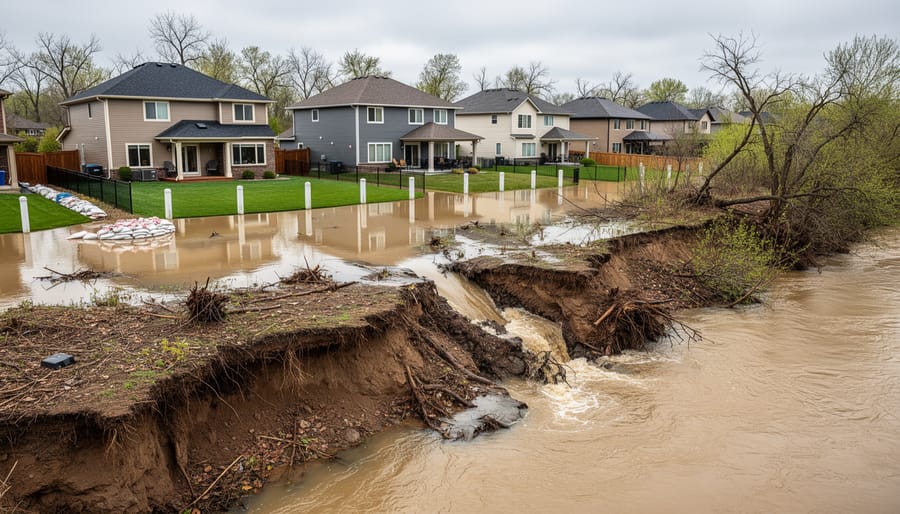
Your property sits within a living risk management system, whether you realize it or not. When a wetland upstream degrades, floodwaters that once soaked harmlessly into marsh soil now rush toward foundations and basements. When native vegetation disappears from hillsides, wildfire moves faster and hotter through invasive grasses that have replaced it. These aren’t abstract environmental concerns; they’re direct threats to insurable assets that show up in claims data.
Insurance actuaries now track ecosystem decline alongside traditional risk factors because the connection is measurable. Properties below degraded wetlands face flooding scenarios that wouldn’t occur with intact natural buffers. Homes near forests suffering from biodiversity loss experience heightened fire danger as monoculture stands prove more flammable than diverse ecosystems. Water scarcity linked to watershed degradation creates foundation settlement issues and increases fire vulnerability in ways standard policies weren’t designed to address.
This reality has given rise to what risk managers call natural ecosystem insurance strategies, a framework recognizing that healthy ecosystems function as infrastructure. A functioning wetland absorbs storm surge; a biodiverse forest maintains soil stability; a thriving riparian zone regulates water flow. These services reduce the frequency and severity of insurable events, which is why some insurers have begun factoring ecosystem proximity and health into their risk assessments.
The mechanism works both ways. As ecosystems degrade, properties become harder to insure at standard rates. Underwriters reviewing areas with documented wetland loss or forest decline adjust their models to reflect increased exposure. Conversely, properties benefiting from nearby conservation areas or restoration projects may see different risk profiles, though how insurers reflect this varies widely by company and region.
The practical implication: ecosystem health isn’t just a biodiversity concern. It’s a component of your property’s risk environment that influences everything from flood probability to fire behavior. National biodiversity strategies aim to preserve these natural protections, which means understanding local ecosystem conditions gives you insight into risks your property faces now and how they might evolve as conservation efforts succeed or fail.
How Biodiversity Action Plans Are Reshaping Property Markets in 2026
Property markets across North America are shifting in response to government biodiversity mandates, though the changes vary dramatically by region. Municipalities implementing NBSAP-aligned policies now require developers to meet specific habitat preservation thresholds before breaking ground, while others offer expedited permitting for projects that incorporate native landscaping and wildlife corridors.
Conservation easements have become more common negotiating points in property transactions. These voluntary legal agreements restrict certain types of development in exchange for tax benefits, and they’re increasingly attractive in areas where biodiversity plans prioritize ecosystem connectivity. Properties adjacent to protected natural areas sometimes face development limitations, yet they can also benefit from proximity to preserved green space that appeals to certain buyer segments.
Green infrastructure requirements represent the most tangible shift for property owners. Some jurisdictions now mandate permeable surfaces, rain gardens, or bioswales for new construction and major renovations. These features manage stormwater while supporting local ecosystems, and they’re becoming standard expectations rather than optional upgrades. The specifics depend heavily on local implementation of national biodiversity frameworks.
Eco-certification programs have gained traction as buyers become more aware of environmental credentials. Properties that demonstrate alignment with biodiversity principles, through native plantings, wildlife-friendly features, or participation in habitat restoration initiatives, can access various green home programs that recognize these efforts. The market response varies considerably, with stronger demand in regions where environmental awareness runs high.
Development restrictions tied to biodiversity plans create constraints but also scarcity. In areas with strict habitat protection zones, the remaining developable land becomes more competitive. Real estate professionals navigating these markets need to understand local biodiversity action plans as thoroughly as they understand zoning codes, because these frameworks increasingly shape what can be built and where.
Natural Ecosystem Insurance: Beyond Traditional Coverage
Traditional property insurance typically addresses damages after they occur, but natural ecosystem insurance strategies take a different approach by reducing the likelihood of damage in the first place. These emerging frameworks recognize that healthy ecosystems provide tangible protection services, wetlands absorb floodwaters, forests stabilize slopes, and coastal marshes buffer storm surge, and integrate this reality into risk management planning.
Parametric insurance products tied to ecosystem health represent one practical application. Unlike standard policies that reimburse specific damages, parametric coverage pays predetermined amounts when measurable environmental triggers occur, such as wetland water levels dropping below protective thresholds or vegetation cover declining past critical points. Some property owners in flood-prone areas now combine traditional flood insurance with parametric products that activate when nearby wetland health indicators signal increased risk, though availability varies significantly by region and ecosystem type.
| Coverage Type | Risk Addressed | Cost Structure | Property Owner Action |
|---|---|---|---|
| Traditional Property Insurance | Post-event damage repair | Annual premiums based on risk factors | Pay premiums, file claims after loss |
| Ecosystem-Based Risk Management | Pre-event risk reduction | Investment in natural infrastructure | Maintain or restore ecosystem features |
| Hybrid Parametric Products | Ecosystem degradation triggers | Lower premiums tied to ecosystem health | Monitor ecosystem indicators, support conservation |
Nature-based infrastructure investments work similarly to how sustainable agriculture practices reduce operational risks, by addressing root causes rather than just consequences. Property owners who incorporate rain gardens, preserve mature trees, or protect natural drainage corridors create physical barriers against specific perils. While these modifications don’t replace standard insurance, some carriers now factor ecosystem proximity and natural features into underwriting assessments.
The shift happens gradually. Insurers increasingly recognize that properties buffered by healthy wetlands, forests, or riparian zones face measurably different risk profiles than similar properties without these features. This recognition manifests not through guaranteed discounts, but through more nuanced risk evaluation that considers natural protective features alongside traditional factors like construction type and claims history. Property owners exploring these options should discuss specific ecosystem features on their land with insurance providers and document any nature-based infrastructure improvements.
Practical Steps Property Owners Can Take
Start by accessing your municipality’s official biodiversity action plan, most local governments now publish these documents online or make them available through planning departments. Review the sections that outline conservation zones, protected corridors, and ecosystem restoration targets in your area. Understanding which natural features receive priority protection helps you anticipate future development restrictions and identify properties where ecosystem proximity might influence long-term value.
Create a site inventory of your property’s natural features. Document existing trees, native plantings, water features, and wildlife activity. This baseline assessment reveals opportunities to align your property with local biodiversity goals while addressing practical risks. A property audit might show that restoring a degraded swale could both support regional wetland targets and reduce your flooding vulnerability.
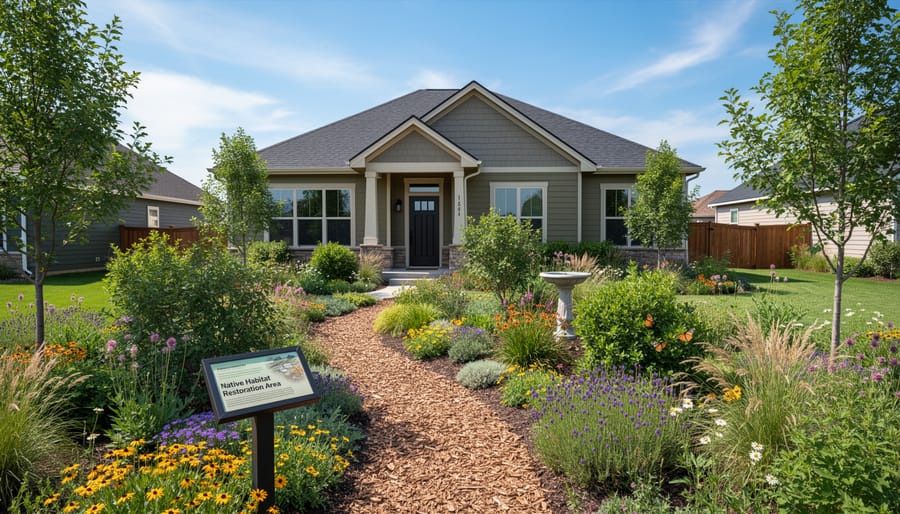
Work with native plant nurseries and ecological landscaping professionals to replace water-intensive, high-maintenance lawns with biodiverse plantings suited to your region. Native gardens require less irrigation once established, provide habitat that supports local biodiversity strategies, and create natural buffers against soil erosion. These improvements often qualify for municipal rebates and can strengthen your position when discussing eco-friendly homes coverage with insurers.
Contact your regional conservation authority about stewardship programs. Many offer free site assessments, technical advice, and sometimes financial assistance for property owners implementing habitat restoration or conservation measures. These programs help you contribute to broader biodiversity action plans while enhancing your property’s resilience to climate-related risks.
If you’re considering renewable infrastructure, understand how it intersects with ecosystem protection. Solar installations designed to preserve existing vegetation patterns or positioned to avoid critical habitat areas demonstrate consideration of biodiversity principles. When exploring renewable energy insurance discuss how your installation approach accounts for natural features on your property.
Document your ecosystem improvements with dated photographs and receipts. This record becomes valuable when communicating with insurance providers about your property’s risk profile. Insurers increasingly recognize that properties with functional green infrastructure face different risk exposures than conventional developments.
Schedule a conversation with your insurance agent specifically about ecosystem considerations. Ask whether your carrier tracks natural infrastructure on properties, if they offer evaluations that account for nature-based flood or fire mitigation, and how they see biodiversity factors evolving in underwriting. Even if your current policy doesn’t reflect these elements, establishing this dialogue positions you for future opportunities as the insurance industry adapts to ecosystem-aware risk assessment.

Questions to Ask Your Insurance Provider
Most property owners never think to ask their insurance provider about ecosystem considerations, but these conversations are becoming increasingly relevant as biodiversity strategies reshape risk assessment. Start by asking whether your insurer currently factors proximity to wetlands, forests, or other natural buffers into their underwriting process. Some providers already consider these features when evaluating flood or wildfire exposure, though they may not advertise it.
Ask if your insurer offers any considerations for property improvements that enhance natural water management, such as bioswales, rain gardens, or permeable surfaces. While not all companies have formal programs yet, many are beginning to recognize that nature-based infrastructure can reduce claims over time. Rather than expecting specific discounts, frame this as a discussion about how such improvements might affect your risk profile.
Do insurance companies care about nearby ecosystems?
Some insurers are beginning to factor ecosystem proximity into risk models, particularly for properties near wetlands or forests that affect flood and fire exposure. It varies significantly by company and region.
Can nature-based improvements lower my premiums?
While formal discount programs are still emerging, documenting features like rain gardens or restored vegetation that reduce runoff may support conversations with your provider about risk mitigation.
What should I tell my insurer about conservation easements?
Inform your provider if your property or neighboring land is under conservation easement, as these permanently restrict development and can affect long-term risk exposure.
Inquire about how your insurer views emerging trends in ecosystem-based risk management. Ask if they’re monitoring local biodiversity action plans or incorporating ecosystem health metrics into their future coverage models. This signals that you’re thinking strategically about long-term property protection, not just next year’s premium.
If your property includes or borders protected habitat, restored wetlands, or conservation areas, mention this explicitly. These features may influence how underwriters assess certain perils. Document any participation in local conservation programs or ecosystem restoration efforts, even if they don’t affect your current policy, they establish a record of proactive risk management that could matter as insurers refine their approaches to natural capital.
Understanding how national biodiversity strategies intersect with property ownership gives you a clearer picture of the risks and opportunities ahead. These government frameworks shape local regulations, influence insurance underwriting, and affect long-term property values in ways that many homeowners and real estate professionals have yet to fully recognize.
The connection between ecosystem health and property protection is straightforward: degraded natural systems increase your exposure to flood damage, wildfire, water scarcity, and other insurable risks. By staying informed about your area’s biodiversity action plans, you can anticipate zoning changes, conservation requirements, and infrastructure projects that will impact your property.
Rather than viewing biodiversity strategies as abstract environmental policy, consider them part of your risk management toolkit. Review local plans to understand what’s coming. Ask your insurance provider how ecosystem proximity factors into your coverage. Explore nature-based solutions that align with conservation goals while reducing your property’s vulnerability.
The landscape of property insurance and real estate valuation continues to evolve as the role of natural ecosystems in risk reduction becomes more apparent. Property owners who recognize these shifts early position themselves to make better-informed decisions about both protection and value.