
Transform your property investment strategy with green financing – the game-changing approach that’s revolutionizing real estate while tackling climate change. Smart investors are leveraging eco-friendly mortgages and sustainable building loans to secure lower interest rates, enhanced property values, and significant tax incentives, all while reducing their environmental footprint.
Green financing has emerged as a powerful tool in real estate, with global sustainable debt markets exceeding $1.6 trillion in 2021. From energy-efficient home improvement loans to green mortgage programs backed by Fannie Mae and Freddie Mac, property owners now have unprecedented access to competitive financing options that reward sustainable choices.
Whether you’re a first-time homebuyer looking to invest in an energy-efficient property or a seasoned investor planning to retrofit an existing building, green financing opens doors to exclusive benefits. These include reduced utility costs, higher resale values, and enhanced marketability – all while contributing to a more sustainable future. Discover how this innovative financing approach can optimize your real estate investment strategy while supporting environmental stewardship.
What Makes Green Real Estate Financing Different?
Key Features of Green Mortgages
Green mortgages offer several compelling advantages that set them apart from conventional home loans. These innovative green building loans typically feature lower interest rates, often 0.25% to 0.5% below standard mortgage rates, rewarding homeowners who invest in energy-efficient properties.
Qualification criteria generally focus on the property’s environmental performance, measured through energy ratings or specific green features. Properties must usually meet minimum energy efficiency standards, such as ENERGY STAR certification or equivalent local ratings. Some lenders also consider eco-friendly improvements like solar panels, high-efficiency HVAC systems, or enhanced insulation.
Additional perks may include reduced closing costs, higher debt-to-income ratio allowances, and extended loan terms. Many green mortgages also offer increased borrowing capacity, allowing homeowners to finance both the purchase price and energy-efficient improvements in one loan. Some programs even provide cash-back incentives or rebates for achieving specific energy-saving targets after improvements are completed.
To qualify, borrowers typically need to provide energy assessment reports and documentation of green features or planned improvements, along with standard mortgage application requirements.
Energy Efficiency Requirements
To qualify for green financing, properties must meet specific energy efficiency benchmarks and certification requirements. Most lenders require a minimum ENERGY STAR score of 75 or higher, indicating that the building performs better than 75% of similar properties nationwide. Properties should also demonstrate reduced energy consumption through features like high-efficiency HVAC systems, LED lighting, and proper insulation.
Common certification standards include LEED (Leadership in Energy and Environmental Design), with qualifying properties needing at least Silver certification. Building owners must provide documentation of energy-efficient improvements, including professional energy audits and verification of installed systems. Some programs may require Home Energy Rating System (HERS) scores below 70, indicating superior energy performance compared to standard homes.
Additional requirements often include smart energy monitoring systems, Energy Performance Certificates (EPCs), and compliance with local green building codes. Regular maintenance and performance monitoring are typically mandatory to maintain financing eligibility. Properties must also demonstrate a minimum 20% reduction in energy consumption compared to baseline measurements, with some programs requiring up to 30% improvement for premium financing rates.
Financial Benefits for Property Owners
Lower Interest Rates and Better Terms
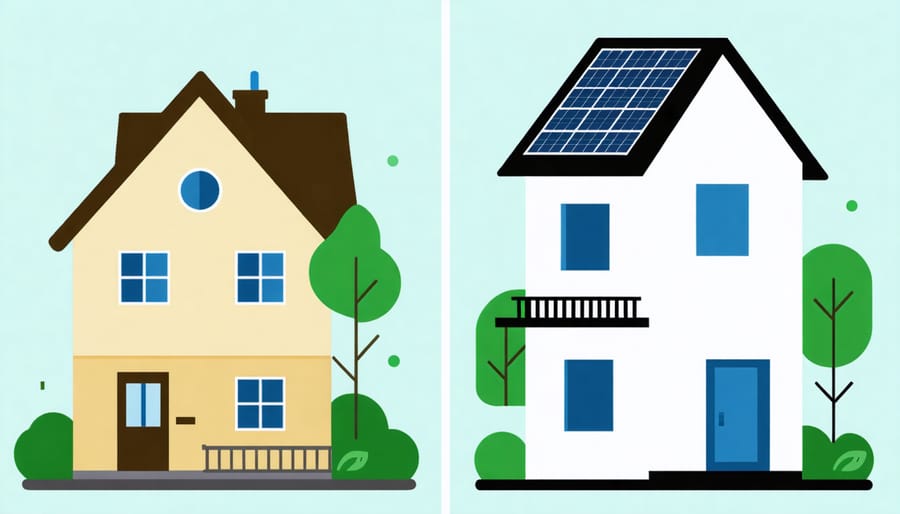
Green financing programs consistently offer more favorable interest rates compared to traditional mortgages, with rates typically 0.25% to 0.75% lower. This difference might seem modest at first glance, but it can translate into substantial savings over the life of your loan. For instance, on a $400,000 mortgage, even a 0.5% rate reduction could save you approximately $40,000 over a 30-year term.
Beyond lower interest rates, green financing packages often come with additional perks that enhance their value proposition. Many lenders offer reduced closing costs, lower down payment requirements, and more flexible debt-to-income ratio requirements for properties with eco-friendly features that boost property value. Some programs even provide cash-back incentives or extra funds specifically earmarked for energy-efficient improvements.
The improved terms aren’t just about immediate savings. Lenders recognize that properties with green features typically have lower operating costs and higher resale values, making them better collateral. This reduced risk profile allows financial institutions to offer more competitive terms while maintaining their lending standards. Additionally, many green financing programs offer longer repayment periods and higher loan-to-value ratios, making sustainable property investments more accessible to a broader range of buyers.
Tax Incentives and Rebates
The government offers numerous tax incentives and rebates to encourage green real estate investments, making eco-friendly property improvements more financially attractive. At the federal level, homeowners can benefit from the Energy Efficient Home Improvement Credit, which offers up to $3,200 annually for qualifying energy-efficient upgrades like solar panels, heat pumps, and improved insulation.
Many states provide additional incentives, including property tax exemptions for green building certifications and sales tax holidays for Energy Star appliances. For example, some jurisdictions offer reduced property tax assessments when homeowners implement renewable energy systems or achieve specific energy efficiency ratings.
Local utility companies frequently partner with government agencies to provide rebates for energy-efficient improvements. These can include instant rebates on smart thermostats, LED lighting systems, and high-efficiency HVAC equipment. Some utilities also offer performance-based incentives, where property owners receive payments based on their actual energy savings.
Commercial property investors can take advantage of accelerated depreciation benefits for green building components through the Modified Accelerated Cost Recovery System (MACRS). Additionally, the Commercial Property Assessed Clean Energy (C-PACE) program enables building owners to finance energy improvements through property tax assessments, often with favorable terms and tax-deductible interest.
Remember to consult with a qualified tax professional, as incentive programs frequently update their requirements and benefit levels.
How to Qualify for Green Real Estate Financing
Property Assessment Requirements
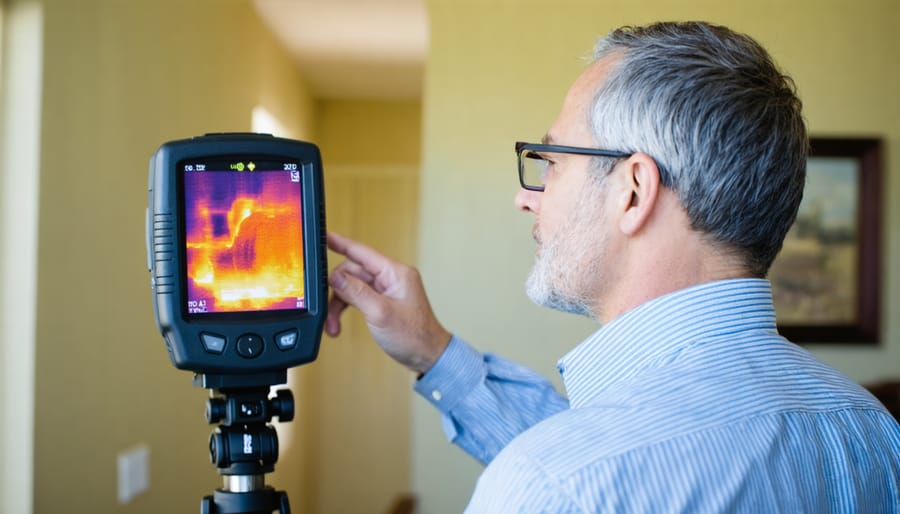
Before qualifying for green financing, properties typically undergo comprehensive energy assessments to determine their environmental impact and efficiency levels. A certified energy auditor will evaluate various aspects of the property, including insulation, HVAC systems, windows, and overall energy consumption patterns. This assessment helps lenders understand the property’s current performance and potential for improvement.
Professional energy auditors use specialized equipment to monitor your energy efficiency and identify areas where improvements can be made. The audit results are typically presented in an Energy Performance Certificate (EPC) or similar documentation, which becomes a crucial part of the financing application.
Many green financing programs require specific certification standards, such as LEED, ENERGY STAR, or local green building certifications. These certifications validate that the property meets predetermined environmental and energy efficiency benchmarks. The assessment process also includes reviewing planned improvements or retrofits that will enhance the property’s sustainability features.
Property owners should expect the assessment process to take several weeks, factoring in scheduling, inspection time, and report preparation. While this may seem lengthy, thorough documentation helps secure better financing terms and validates the property’s green credentials.
Documentation Needed
To secure green financing for your property, you’ll need to prepare a comprehensive documentation package. Start with standard mortgage documents, including proof of income, tax returns, bank statements, and employment verification. Additionally, specific green financing requirements include energy audit reports or environmental impact assessments of your property.
For new construction projects, provide detailed architectural plans highlighting eco-friendly features and energy-efficient systems. Existing properties require current utility bills, documentation of installed green technologies, and certification from qualified energy raters or assessors.
Most lenders will request a Home Energy Rating System (HERS) score or similar energy efficiency rating. You may also need to submit contractor estimates or invoices for planned green improvements, along with specifications for energy-efficient appliances and systems.
If applying for government-backed green financing programs, prepare additional documentation such as EPA or ENERGY STAR certifications. Some programs might require proof of contractor qualifications or specific building material certifications.
Remember to maintain organized digital copies of all documentation, as verification processes often involve multiple reviews. Working with a qualified real estate professional or mortgage specialist familiar with green financing can help ensure your documentation package meets all requirements and streamlines the approval process.
Top Green Financing Programs Available Now
Government-Backed Programs
Government support for green financing has expanded significantly, making eco-friendly property investments more accessible and affordable than ever. At the federal level, the Department of Energy’s (DOE) PowerSaver Loan Program offers homeowners competitive financing for energy-saving home improvements, with loans up to $25,000 for qualifying projects.
The Federal Housing Administration (FHA) provides Energy Efficient Mortgages (EEM), allowing borrowers to finance energy-efficient improvements as part of their home purchase or refinancing. These mortgages can cover improvements like solar panels, energy-efficient HVAC systems, and enhanced insulation without requiring a larger down payment.
Many states have established their own green financing initiatives. For example, California’s PACE (Property Assessed Clean Energy) program enables property owners to finance renewable energy upgrades through property tax assessments. New York’s Green Jobs-Green New York program offers low-interest financing for energy efficiency improvements, while Massachusetts’ HEAT Loan Program provides zero-interest financing for qualified energy-efficient home improvements.
The Department of Veterans Affairs (VA) also supports green initiatives through its Energy Efficient Mortgage program, allowing veterans to borrow additional funds for energy-efficient improvements. These programs often feature benefits like lower interest rates, extended repayment terms, and flexible qualification requirements, making sustainable property improvements more financially viable for property owners.
Private Lender Solutions
Private lenders, banks, and credit unions have increasingly recognized the value of green financing, offering specialized programs to support environmentally conscious property investments. These institutions provide tailored solutions for funding eco-friendly home upgrades and sustainable property improvements.
Many banks now offer green mortgage products featuring preferential interest rates and flexible terms for properties meeting specific energy efficiency standards. These programs typically include reduced closing costs, higher debt-to-income ratio allowances, and extended amortization periods for qualifying green projects.
Credit unions, known for their community-focused approach, often provide more personalized green financing options. Their programs may include energy improvement loans, solar panel financing, and special lines of credit for sustainable renovations. Some credit unions partner with local energy authorities to offer additional incentives and rebates.
Key features of private lender green financing programs include:
– Lower interest rates for ENERGY STAR certified homes
– Increased loan amounts for renewable energy installations
– Flexible qualification criteria for green building projects
– Reduced fees for energy-efficient property improvements
– Combined purchase and renovation loans for sustainability upgrades
When exploring these options, borrowers should compare different institutions’ offerings, as terms and benefits can vary significantly. Many lenders also provide dedicated green financing specialists who can guide borrowers through the application process and help identify the most advantageous program for their specific needs.
Green financing represents a powerful opportunity for property investors and homeowners to align their real estate goals with environmental responsibility while securing attractive financial benefits. By leveraging green mortgages, energy-efficient upgrade loans, and sustainable building incentives, you can significantly reduce both your environmental impact and long-term operating costs.
To get started with green financing, begin by assessing your property’s current energy efficiency and identifying potential improvements. Research available programs through local lenders, government agencies, and environmental organizations. Remember that qualifying for these programs often requires meeting specific energy efficiency standards or implementing approved sustainable upgrades.
The financial advantages are compelling: lower interest rates, reduced utility bills, increased property value, and potential tax incentives. Moreover, green-certified properties typically command premium resale values and attract environmentally conscious tenants.
Take action today by consulting with green-certified lenders, scheduling an energy audit, and exploring available programs in your area. The transition to sustainable real estate financing isn’t just an environmental choice – it’s a smart financial decision that positions you for long-term success in an increasingly eco-conscious market.