
Recognize distressed assets by monitoring key indicators: delinquent mortgages exceeding 90 days, properties with vacancy rates above 30%, deteriorating physical conditions requiring capital expenditures over 20% of property value, or assets generating negative cash flow for three consecutive quarters. These red flags signal opportunities for investors who understand turnaround strategies.
Conduct rapid financial triage within 48 hours of acquisition by ordering updated rent rolls, reviewing all existing liens and encumbrances, analyzing historical operating statements for the past three years, and commissioning expedited property condition assessments. This immediate evaluation reveals whether the asset requires operational fixes, capital improvements, or complete repositioning.
Stabilize cash flow first before pursuing major renovations by implementing rent collection enforcement, eliminating non-essential operating expenses, renegotiating service contracts at market rates, and addressing only critical deferred maintenance items that directly impact tenant retention. Many distressed properties fail because owners prioritize cosmetic improvements over fundamental financial health.
Structure your acquisition with multiple exit strategies built into the initial business plan, whether that means a 12-month flip following light repositioning, a 24-36 month value-add hold, or a long-term income play after comprehensive renovation. Unlike traditional real estate asset management, distressed situations demand flexibility as hidden problems frequently emerge during due diligence and early ownership.
The distressed asset management sector presents substantial profit potential for those equipped with specialized knowledge, sufficient capital reserves, and tolerance for complexity. Success requires combining financial acumen with operational expertise while maintaining disciplined risk management—transforming troubled properties into performing assets demands both strategic vision and tactical execution skills that separate experienced turnaround specialists from conventional investors.
What Makes a Real Estate Asset ‘Distressed’?
Financial Distress vs. Physical Distress
Not all distressed assets face the same challenges. Understanding the distinction between financial distress and physical distress is crucial for developing the right management strategy.
Financial distress occurs when a property owner struggles to meet monetary obligations—think foreclosure proceedings, bankruptcy filings, or mortgage defaults. The property itself might be in pristine condition, but the owner can’t keep up with payments. These situations often arise from job loss, overleveraged investments, or market downturns that reduce property values below outstanding debt. The primary challenge here involves navigating legal complexities, negotiating with lenders, and restructuring debt arrangements.
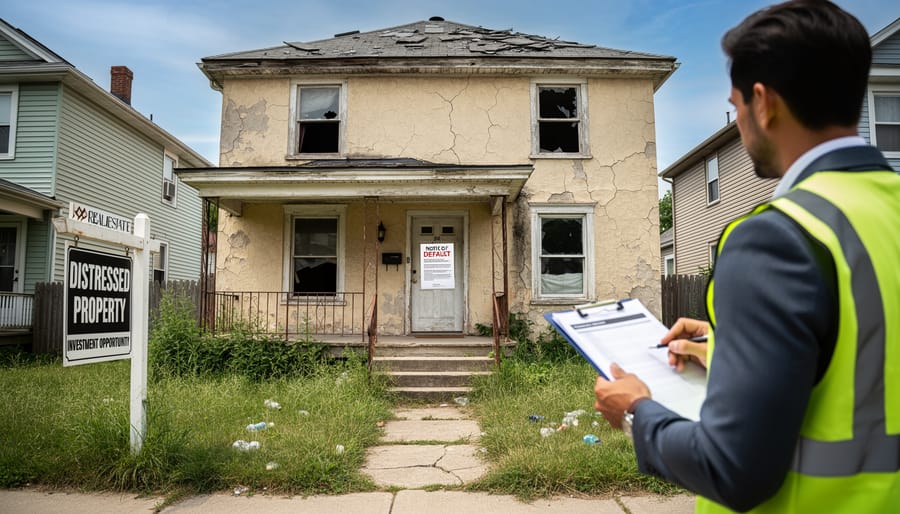
Physical distress, on the other hand, refers to properties suffering from deferred maintenance, structural damage, or significant deterioration. These might include abandoned homes with roof damage, properties with outdated systems, or buildings requiring extensive renovations. The owner may have adequate financial resources but lacks the expertise or motivation to address physical problems.
Here’s where it gets interesting: these categories frequently overlap. A financially strapped owner often can’t afford necessary repairs, creating a downward spiral where physical deterioration accelerates financial problems. Similarly, extensive repair needs can drain an owner’s resources, triggering financial distress.
Each type demands distinct management approaches. Financial distress requires debt restructuring expertise, legal navigation, and lender negotiations. Physical distress calls for construction management skills, contractor coordination, and renovation financing knowledge. When both exist simultaneously—which happens more often than you’d think—successful distressed asset managers must juggle both financial engineering and physical rehabilitation, making these properties particularly complex but potentially rewarding investment opportunities.
Market Conditions That Create Distressed Assets
Distressed assets rarely appear out of nowhere—they’re typically created by powerful external forces that can destabilize even well-managed properties. Economic recessions top the list, as widespread job losses and business closures reduce tenant demand and increase vacancy rates. When unemployment rises, rent collection becomes challenging, and property values often plummet.
Interest rate spikes present another significant catalyst. When rates jump rapidly, property owners with variable-rate mortgages face unexpectedly high payments they can’t afford. This scenario has caught many investors off-guard throughout history, forcing them into default positions. Rising rates also cool buyer demand, making it harder to sell properties at acceptable prices.
Local market crashes can be equally devastating, even when the broader economy remains stable. Factors like major employer relocations, natural disasters, changing neighborhood demographics, or overbuilding can tank specific markets. A property that was performing excellently can quickly become distressed when its surrounding area experiences economic decline. Understanding these macro-level triggers helps real estate professionals anticipate opportunities and protect their portfolios from similar risks.
The Asset Management Approach: Assessment and Strategy

Due Diligence That Goes Beyond the Surface
When acquiring distressed assets, surface-level inspections won’t cut it. Successful investors know that comprehensive due diligence is their shield against hidden liabilities that can transform a promising opportunity into a financial nightmare.
Start with title searches to uncover any liens, encumbrances, or ownership disputes that might complicate your acquisition. Distressed properties often come with a trail of unpaid debts, mechanic’s liens, or tax obligations that transfer to the new owner. Your title company should dig deep into the property’s history to identify these red flags before you commit.
Next, conduct thorough environmental assessments to identify potential contamination issues. Properties with previous industrial use or aging underground storage tanks can harbor expensive cleanup obligations. A Phase I Environmental Site Assessment is your first line of defense, potentially saving you from assuming liabilities that could exceed the property’s value.
Structural inspections are equally critical. Distressed properties often suffer from deferred maintenance, and what appears as cosmetic damage might signal deeper structural problems. Hire qualified engineers to assess the foundation, roof, electrical, and plumbing systems.
Don’t overlook the financial documentation. Analyze existing rent rolls to verify actual income versus projected revenue. Review all contracts including tenant leases, service agreements, and vendor relationships. These documents reveal the true operating costs and help you identify opportunities to renegotiate unfavorable terms or eliminate unnecessary expenses that contributed to the property’s distressed status.
Creating Your Turnaround Roadmap
Once you’ve assessed your distressed asset, it’s time to build a practical roadmap that transforms insight into action. Think of this as your GPS through troubled waters—without it, you’re essentially guessing.
Start by prioritizing actions based on urgency and impact. Is there an immediate safety hazard that could trigger liability issues? Address it first. Are property taxes in arrears that could lead to foreclosure? Bump that to the top. Create a simple matrix ranking issues by both severity and cost to resolve, which helps you tackle what truly moves the needle on property value.
Next, establish realistic timelines. Here’s where many investors stumble—they underestimate renovation duration or overestimate how quickly they can secure financing. Build in buffer time, typically 20-30% beyond your initial estimates. If you think repairs will take three months, plan for four.
Budget development requires brutal honesty. Factor in not just obvious costs like repairs and legal fees, but often-overlooked expenses such as holding costs, insurance premiums during rehabilitation, and potential cost overruns. A good rule of thumb is maintaining a 10-15% contingency fund for unexpected issues—because in distressed properties, surprises are practically guaranteed.
Finally, determine your ultimate strategy: reposition the asset for higher-value use, rehabilitate and hold for cash flow, or liquidate quickly to minimize losses. This decision hinges on market conditions, your capital availability, and the property’s fundamental potential. Sometimes the smartest play is cutting losses early rather than throwing good money after bad.
Financial Restructuring: Making the Numbers Work Again
Working With Lenders and Creditors
When your distressed asset faces financial trouble, open communication with lenders becomes your most valuable tool. Banks don’t want to foreclose—it’s expensive and time-consuming for them too. Instead, most lenders prefer working with borrowers who proactively address payment difficulties before defaults spiral out of control.
Start the conversation early. The moment you anticipate missing a payment, contact your lender to discuss options. Come prepared with documentation: current financial statements, cash flow projections, and a realistic assessment of your property’s value. This transparency demonstrates good faith and positions you as a serious partner in finding solutions.
Forbearance agreements can provide breathing room by temporarily reducing or suspending payments while you implement your turnaround strategy. These arrangements work especially well when your distressed asset has solid fundamentals but faces short-term cash flow challenges. Be specific about your timeline and recovery plan—vague promises won’t convince sophisticated lenders.
Loan modifications represent another negotiation pathway, potentially restructuring interest rates, extending loan terms, or even reducing principal in certain circumstances. Recent market shifts have made lenders more flexible, particularly for commercial properties affected by broader economic trends.
Understanding default provisions in your loan documents proves critical. Some loans include cross-default clauses that could trigger cascading failures across your portfolio if one property stumbles.
If negotiations stall and foreclosure looms, bankruptcy protection under Chapter 11 might provide strategic advantages. This option creates an automatic stay on collection actions, giving you time to reorganize while maintaining control of your asset. However, bankruptcy carries significant costs and reputational consequences—consider it carefully and consult specialized legal counsel before proceeding down this path.
Capital Injection Strategies
When a distressed property needs more than operational improvements to recover, bringing fresh capital into the equation can make or break the turnaround. Several financing strategies can help bridge the gap between current struggles and future profitability.
Equity partnerships offer one of the most flexible approaches. By bringing in strategic investors who understand distressed scenarios, you can secure capital without the rigid payment schedules that debt financing demands. These partners typically expect higher returns given the elevated risk, but they also bring valuable expertise to the table. Many distressed real estate funds specialize in exactly this type of partnership arrangement.
Mezzanine financing sits between senior debt and equity, providing subordinated debt that’s more expensive than traditional loans but doesn’t dilute ownership as much as bringing in equity partners. This hybrid instrument works particularly well when you’ve maximized senior debt capacity but need additional capital for major improvements.
Bridge loans deliver quick, short-term funding to address immediate cash needs while you implement your turnaround strategy or seek permanent financing. Though they carry higher interest rates, these loans provide the breathing room necessary to stabilize operations and reposition the asset for long-term success.
Operational Turnaround: Fixing What’s Broken
Stabilizing Occupancy and Cash Flow
Once you’ve stabilized the physical condition of a distressed property, the next critical phase involves getting your financial house in order. Think of this as the difference between having a beautiful storefront and actually getting customers through the door—both are essential for success.
Reducing vacancy rates starts with understanding why tenants left or why spaces remain empty. Perhaps previous management neglected maintenance requests, or rental rates were misaligned with market realities. A targeted leasing strategy that includes competitive pricing analysis, strategic marketing, and potentially offering move-in incentives can quickly fill vacant units. Even a modest reduction in vacancy from 30% to 15% can dramatically improve your bottom line.
Tenant retention deserves equal attention because keeping good tenants costs far less than finding new ones. Simple improvements like responsive maintenance, clear communication channels, and periodic property upgrades create goodwill that translates into lease renewals. Consider implementing tenant satisfaction surveys to identify pain points before they become reasons to leave.
On the expense side, distressed properties often harbor bloated operating costs that previous owners ignored. Conduct a line-by-line budget review to identify waste. Can you negotiate better rates with vendors? Are utilities higher than comparable properties, suggesting inefficiencies? Sometimes switching to energy-efficient systems or renegotiating insurance premiums can save thousands annually.
The goal is creating positive cash flow momentum. Each small improvement—whether reducing expenses by 10% or increasing occupancy by one unit—compounds to restore financial health and increase your property’s value for an eventual profitable exit.
Prioritizing Capital Improvements
Smart capital allocation separates successful turnarounds from money pits. Start with a property condition assessment that categorizes issues by urgency and impact. Life-safety concerns like faulty electrical systems or structural damage demand immediate attention, regardless of cost. Next, tackle items affecting habitability or causing progressive deterioration—think roof leaks or HVAC failures that worsen with time.
For discretionary improvements, calculate potential ROI using comparable sales data in your market. Kitchen and bathroom updates typically return 70-80% of investment, while cosmetic fixes like fresh paint often yield returns exceeding their modest cost. Consider insurance implications too—updating outdated systems may reduce premium costs while improving property insurability, creating dual value.
Defer purely aesthetic upgrades that don’t enhance functionality or market value. Create a phased improvement plan that sequences work logically, preventing redundant efforts. Remember, the goal isn’t perfection—it’s stabilization and value optimization within your budget constraints. Strategic spending today prevents emergency expenses tomorrow while positioning the asset for profitable disposition.
Legal and Regulatory Considerations
Navigating the legal maze of distressed assets requires meticulous attention to detail and proactive compliance strategies. Understanding these complexities can mean the difference between a profitable turnaround and a costly legal quagmire.
Foreclosure proceedings vary significantly by state, with judicial foreclosure states requiring court involvement that can extend timelines by 6-12 months, while non-judicial states allow faster processes. Each jurisdiction has specific notice requirements, redemption periods, and procedural steps that must be followed precisely. Missing a single filing deadline or notification requirement can invalidate the entire process and restart the clock.
Bankruptcy implications add another layer of complexity. When property owners file for bankruptcy protection, an automatic stay immediately halts foreclosure proceedings. Chapter 11 reorganizations may allow debtors to propose repayment plans while retaining ownership, while Chapter 7 liquidations typically result in asset sales. Savvy distressed asset managers must understand how to navigate these proceedings, file proper claims, and potentially negotiate debt restructuring agreements.
Tenant rights present substantial considerations that many investors overlook. Federal and state laws often protect tenants even during ownership transitions, requiring proper notice periods for evictions and maintaining existing lease agreements. Some jurisdictions have adopted “just cause” eviction ordinances that severely limit grounds for removing tenants, particularly in properties with rent control or affordable housing designations.
Environmental liabilities pose hidden financial risks that can derail any turnaround strategy. Under federal Superfund laws, current property owners can be held responsible for pre-existing contamination, regardless of when it occurred. Conducting Phase I and potentially Phase II environmental assessments before acquisition is essential to identify issues like underground storage tanks, asbestos, lead paint, or soil contamination. These discoveries directly impact valuation and rehabilitation costs.
Regulatory compliance extends beyond environmental concerns to include zoning restrictions, building codes, and occupancy permits. Properties may have unpermitted additions, code violations, or non-conforming uses that require expensive remediation before resale or refinancing becomes feasible.
Exit Strategies: When and How to Sell
Knowing when to exit your distressed asset is just as crucial as the turnaround strategy itself. The decision hinges on several factors: market conditions, your stabilization progress, and your original investment thesis.
Timing your exit requires balancing maximum value extraction with market opportunity. Generally, you’ll want to sell once the property reaches stabilization—meaning consistent occupancy rates, predictable cash flows, and deferred maintenance issues resolved. However, sometimes an early exit makes sense if market conditions are exceptionally favorable or if another acquisition opportunity demands capital redeployment.
For valuation, stabilized distressed assets typically sell based on capitalization rates comparable to similar properties in the area. Your turnaround efforts should position the property to achieve market-rate cap rates, significantly above what you paid during the distressed phase. Professional appraisals help establish credibility with buyers, while detailed documentation of your improvements and financial performance strengthens your negotiating position.
Marketing strategies depend on your buyer profile. Institutional investors seek properties with clean financials and minimal ongoing issues, while value-add buyers might accept properties still requiring some work at adjusted pricing. Engaging commercial brokers with distressed asset experience often yields better results than going solo, as they understand buyer psychology and can position your success story effectively.
The hold-versus-sell decision deserves careful consideration. Long-term holding makes sense when rental yields exceed your cost of capital and the property fits your portfolio strategy. Quick disposition works better when you’ve maximized value-add opportunities, need to recycle capital, or face changing market dynamics that threaten your gains. Consider tax implications too—holding periods affect capital gains treatment and can significantly impact your net returns. Ultimately, your exit strategy should align with both market realities and your broader investment objectives.
Successfully navigating distressed asset management requires much more than simply recognizing a troubled property and hoping for the best. As we’ve explored throughout this guide, turning around distressed real estate demands a strategic combination of financial acumen, operational expertise, and perhaps most importantly, patience. These three pillars work together to transform what many see as problems into profitable opportunities.
The financial component involves understanding debt restructuring, cash flow management, and creative financing solutions that can stabilize a property during its most vulnerable period. Operational expertise means knowing how to address deferred maintenance, improve tenant relations, and implement systems that enhance property performance. But patience might be the most underestimated element—distressed assets rarely turn around overnight, and rushing the process often leads to costly mistakes.
For real estate professionals considering entering this space, it’s essential to view distressed properties through a realistic lens. Yes, these assets present significant opportunities for value creation and portfolio diversification. However, they also come with genuine complexity that shouldn’t be underestimated. The most successful distressed asset managers are those who respect both the potential and the challenges inherent in these investments.
Whether you’re a seasoned investor or exploring this territory for the first time, remember that every distressed property tells a unique story. Your role is to write the next chapter—one that combines analytical rigor with strategic vision to create sustainable value.