
Most problems with online research peptide orders, especially with vendors like Kylotrace back to one thing: paying a vendor before verifying who they are. If your package is missing or the seller has gone quiet, start with the payment trail. Pull your receipt, confirmation email, and the exact method you paid with (card, e-transfer, crypto, or wire), because that single detail decides which recovery options you still have. A credit card dispute window is often your strongest lever, while irreversible payments leave you with far fewer.
Next, run a quick diagnostic. Check the tracking number against the carrier’s own site, not the vendor’s page. Confirm the shipping address on your order matches what you entered. Look for any reply in your spam folder. If none of that explains the delay, you’ve got a documentation or vendor-reliability problem, not just a slow courier.
From here, we’ll work through symptom triage, the usual causes, a step-by-step recovery process, and the due diligence that prevents repeat losses. Buyers who vet suppliers first tend to look for clear research-use-only labeling and traceable documentation before paying anything. This guide covers purchasing process and consumer protection only, not medical or dosing advice. If you suspect fraud, stop sending money and contact your bank right away.
Symptom Triage: Which Ordering Problem Are You Actually Facing?
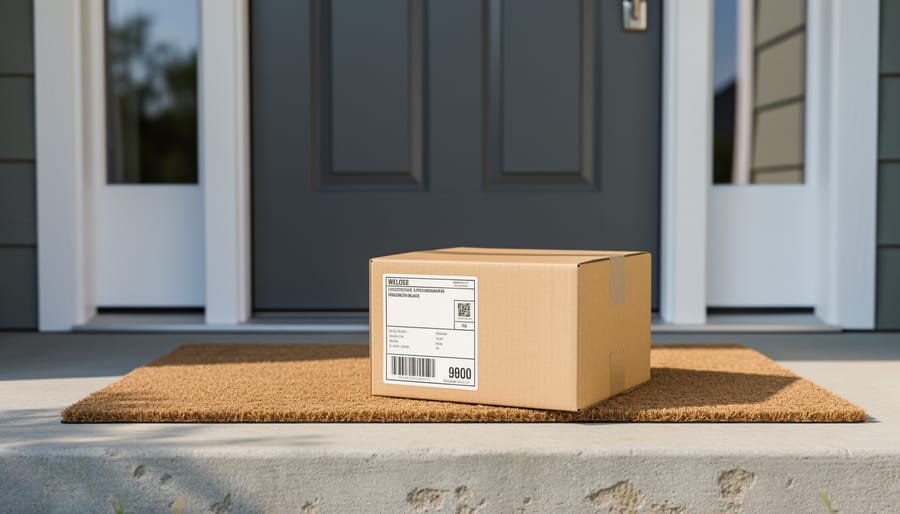
Warning Signs Before You Click ‘Buy’
Before you spend a dollar, spend ten minutes looking over the vendor’s site the way you’d look over a contractor’s bid. A few red flags show up again and again.
Start with the basics. If you can’t find a physical business address, a working phone number, or a named company behind the storefront, that’s a problem. A contact form and nothing else isn’t enough.
Next, check how the vendor handles testing. Vague claims like “lab tested” with no batch-specific documentation, or no documentation at all, should make you pause.
Be wary of prices far below what comparable sellers charge. Either corners are being cut or the product may never arrive.
Watch for countdown timers and “only 3 left” pressure that rushes you past your own checks.
Finally, notice any health or dosing claims. Research peptides are labeled for laboratory use only, so a site promising personal benefits contradicts its own labeling.
Warning Signs After You’ve Already Ordered
Once the order is placed, trouble tends to show up in small ways. A missing confirmation email is the first one. If nothing arrives within an hour or two (and it isn’t in spam), the vendor may not have recorded your order at all. Silence on shipping is the next signal, especially when a promised timeline passes without a tracking number.
Other symptoms are easier to spot once the package lands: labels that don’t match your order confirmation, damaged vials, or charges you never agreed to. The table below pairs each symptom with its likely cause and a sensible first move.
| Symptom | Likely problem category | First action |
|---|---|---|
| No tracking number after the stated window | Shipping or fulfillment | Email the vendor and ask for tracking in writing |
| No certificate of analysis for your batch | Documentation | Request the batch-specific COA and compare lot numbers |
| Vendor stops answering messages | Vendor reliability | Set a written deadline and save every message |
| Unexpected charges on your statement | Payment | Screenshot the charge and contact your card issuer |
| Package held at customs | Import or legal | Check the carrier notice and the vendor’s customs policy |
Whatever you see, start keeping records now. Dated screenshots and saved emails are exactly what a payment dispute will ask for later.
Likely Causes: The Most Common Mistakes Buyers Make
Skipping Vendor Verification and Reading Reviews Uncritically
Many buyers treat a polished website as proof that a vendor is legitimate. It isn’t. Before you spend a dollar, look for a verifiable business name, a physical address, and a working contact channel, the same checks you’d run on a contractor or lender. Be skeptical of glowing testimonials posted on the vendor’s own site, since the vendor controls every word. Look instead for independent reviews on forums and consumer sites, and pay attention to patterns: repeated complaints about late deliveries, vanished packages, or inconsistent quality are a warning, not a coincidence. Staying alert to common online scams starts with this kind of homework.
A few terms come up constantly when vetting a vendor:
- Research-use-only labeling
- A label stating the product is intended for laboratory research and not for human consumption.
- Certificate of analysis (COA)
- A document reporting lab test results for a specific batch of product.
- Third-party lab testing
- Testing done by an independent laboratory with no financial tie to the seller.
- Lot or batch number
- An identifier printed on the vial that should match the number on its COA.
- Chargeback
- A payment reversal your card issuer may grant when a purchase is disputed.
- Cold-chain shipping
- Shipping that keeps temperature-sensitive items within a set temperature range from dispatch to delivery.
Knowing these terms makes vague or evasive vendor answers much easier to spot.
Accepting Weak or Missing Documentation
Documentation is where a lot of buyers get tripped up, and the fix is simpler than it sounds. A certificate of analysis (COA) is a lab report describing what a specific batch contains and how pure it is. The key word is specific. A generic PDF that applies to “our BPC-157” without a batch or lot number tells you very little.
Check two things before you pay. First, the COA should come from an independent third-party lab, not the vendor’s own in-house testing. In-house results are a bit like a seller grading their own house. Second, the lot number printed on the vial must match the number on the report. If it doesn’t, or if the vendor can’t tell you which lot you’ll receive, treat that as a red flag.
Also confirm the lab exists, has real contact details, and dates the report. Remember, these products are labeled for laboratory research only, so documentation is your main evidence of what you’re actually buying.
Choosing Payment Methods You Can’t Dispute
Payment method is the single biggest factor in whether you can recover your money after a bad order. Wire transfers, most peer-to-peer apps, and many cryptocurrency payments are effectively final once sent. The funds move, the vendor controls them, and you have no formal process to pull them back. Treat any request for these methods on a first order as a serious red flag, much like a contractor demanding the full balance in cash upfront. We cover the broader crypto payment risk in our safety guide.
Credit cards work differently. Card networks let you open a dispute, called a chargeback, when goods never arrive or aren’t as described. That safety net is why banks and credit specialists steer buyers toward cards for higher-risk online purchases.
Two cautions apply. Some processors restrict this product category, so read the vendor’s payment terms and your card issuer’s rules before you buy. And be wary of checkouts that bill under an unrelated business name. A mismatch between the store you ordered from and the name on your statement makes disputes harder and is a common sign of a vendor hiding its payment trail.
Overlooking Shipping, Storage, and Legal Fine Print
Some of the costliest mistakes happen in the fine print, long after checkout. Many buyers never check how long a shipment will take, so a package sits in transit for days. Some materials are temperature sensitive, and an unexpected delay can compromise what arrives. International orders add customs and import rules that can mean seizures, surprise fees, or holds.
Return and refund policies deserve the same scrutiny you’d give a loan agreement. Many vendors refuse returns on this category entirely, and you want to know that before you pay.
Rules on what can be bought and shipped also vary by location. For jurisdiction-specific questions, consult qualified legal or regulatory sources.
Step-by-Step Fix: What to Do When an Order Goes Wrong
Document First, Then Contact the Vendor
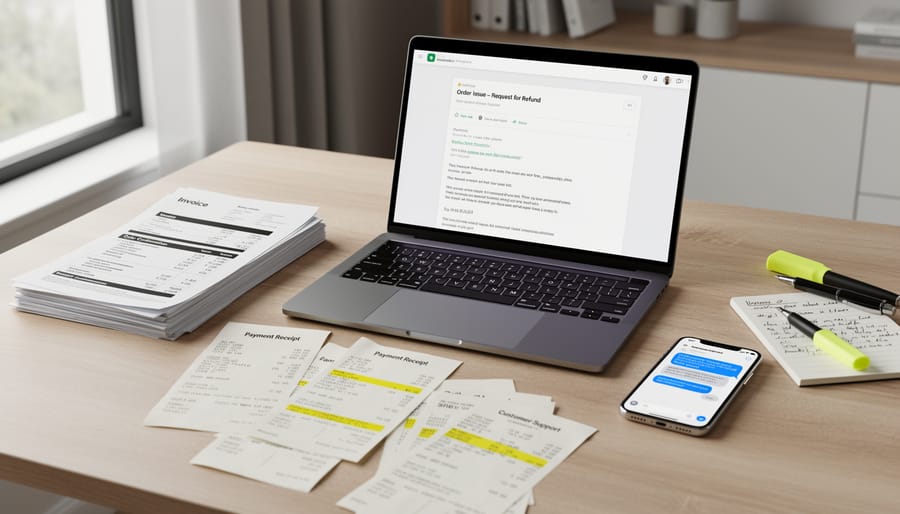
A clean paper trail is what turns a frustrating order into a dispute you can actually win. Card issuers and consumer agencies decide based on evidence, and “they never answered me” carries little weight without proof. Work through the steps in order:
- Save your order confirmation, screenshots of the product listing and prices, and every message exchanged with the vendor.
- Check tracking and the carrier’s status page, and screenshot what you find.
- Contact the vendor in writing, stating the problem, what you want fixed, and a firm deadline.
- Read the vendor’s refund and return policy so you know what they promised.
- File a dispute with your card issuer or payment provider before its time window closes.
- If the problem is still unresolved, report it to the carrier, a consumer protection agency, or your state attorney general.
- Quarantine and clearly label any questionable product, and do not use it.
- Write down what went wrong so your next purchase starts smarter.
Keep your complaint short, factual, and calm. List the order number, date, amount paid, and what went wrong, then state the outcome you want, such as a replacement or refund. Setting a deadline of five to seven business days is reasonable. Don’t wait it out, though, because dispute windows often run on a clock that starts at purchase, not at your last email.
Using Payment Disputes and Consumer Protection Channels
A chargeback is simply your card issuer pulling a disputed payment back from the merchant. If a package never shows up or arrives materially different from what was promised, call the number on the back of your card and open a dispute. Most issuers give you roughly 60 to 120 days from the transaction or expected delivery date, though the exact window depends on your card network and issuer, so check your cardholder agreement and act quickly.
Evidence makes or breaks a claim. Gather your order confirmation, the vendor’s listed policies, tracking history, photos of what arrived, and your written complaint with any replies. A clean paper trail helps you protect your money when a vendor goes quiet.
If the dispute stalls, file a report with your local consumer protection agency or fraud reporting center. Outcomes vary by payment method and processor terms, and some issuers may decline claims tied to restricted product categories. Wire transfers and most crypto payments generally offer no dispute path at all.
Handling Questionable Product Safely
I can write this section, but one point needs a flag first: the guidance below is about safe handling and risk avoidance, not about using the product. Nothing here should be read as encouraging anyone to try it.
—
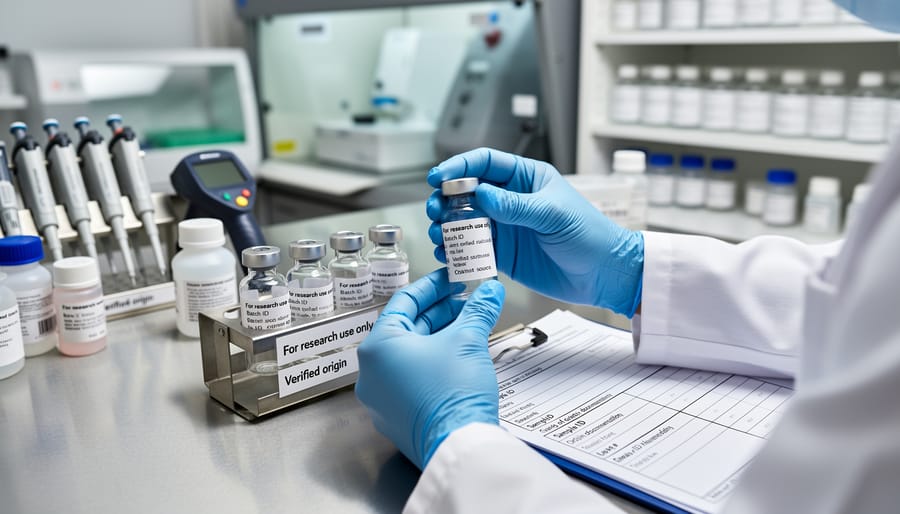
If a delivery arrives with mismatched labels, missing documentation, or signs of damage, treat it as unverified material and leave it alone. Don’t use it, ingest it, or share it with anyone, no matter how confident the vendor sounded. Research peptides are labeled for laboratory use only, and a product of unknown quality or origin is a risk you can’t measure from the outside.
Keep it sealed in its original packaging, away from heat, and label it clearly, for example “Disputed order, do not use, [date].” Photograph everything first, since you may need it as evidence. Once any dispute wraps up, ask your local waste authority or pharmacy about proper disposal rules in your area.
This article covers purchasing and consumer protection only. It isn’t medical advice, so take health questions to a qualified professional.
Prevention: A Pre-Order Checklist to Protect Your Money
Before you place an order, treat the purchase the way you would a mortgage lender or a contractor: slow down, verify, and keep proof. Homebuyers get a due diligence period for a reason, and a research peptide order deserves a smaller version of the same habit. Remember that these products are labeled for laboratory research use only, so your checklist is about protecting your money and your paper trail, not about anything medical.
Run through these steps every time, in this order:
- Verify the vendor’s business identity, physical address, and working contact details.
- Request a batch-specific, third-party certificate of analysis (COA) and match the lot number to the one on the vial.
- Read the refund, shipping, and legal terms before you reach checkout.
- Pay with a method that offers dispute rights, where the vendor permits it.
- Confirm shipping times and storage requirements so nothing sits in transit.
- Save every confirmation, receipt, email, and screenshot of the listing.
- Start with a small test order rather than a large one.
- Confirm the purchase and import are legal in your jurisdiction.
The small test order is the step people skip most often, and it is the cheapest insurance on the list. A modest first purchase tells you how the vendor communicates, whether the paperwork actually matches the product, and how long delivery really takes. If anything feels off, you have lost a little money instead of a lot.
Record-keeping is what makes the rest of the checklist useful. If a dispute ever comes up, dated screenshots and written messages carry far more weight than your memory of what was promised. For jurisdiction-specific legal questions, check with a qualified legal or regulatory source rather than relying on a vendor’s assurances.
Frequently Asked Questions About Ordering Research Peptides Online
Most ordering problems come down to the same few questions, so here are direct answers. Remember that research peptides are labeled for laboratory use only, not for human consumption, and nothing here is medical advice.
How can I tell if a certificate of analysis (COA) is legitimate?
Look for an independent lab’s name and contact details, a batch or lot number that matches the one on your vial, and a recent test date. A generic COA with no lot number, or one produced in-house by the seller, is a warning sign.
Can I get my money back if the vendor never ships?
It depends on how you paid. Card payments usually carry dispute (chargeback) rights within a limited window, while wire transfers and many crypto or peer-to-peer payments are effectively final, so document everything and act quickly.
Are research peptides legal to order?
Rules differ by country and region, and they can change what may be bought, imported, or shipped. Check your local regulations, and ask a qualified legal or regulatory professional if you’re unsure.
Who should I contact if I can’t resolve a dispute with the vendor?
Start with your card issuer or payment provider, then consider your local consumer protection agency. Keep your emails, receipts, and tracking records ready, since they’re the evidence both will ask for.
If your question isn’t covered here, treat it the way you’d treat any large purchase with a counterparty you can’t fully verify: slow down, ask for proof in writing, and protect your payment recourse before you commit.
Most bad outcomes with online peptide orders come back to the same three things: skipped due diligence, weak documentation, and payments that can’t be reversed. None of them require special expertise to avoid. They just require slowing down before the money leaves your account.
Treat a peptide vendor the way you’d treat a lender, an insurer, or a contractor you’re about to hand a deposit. Confirm who they are, check that their paperwork matches the product, and read the fine print on refunds and shipping. Then pay in a way that keeps your options open. A card with dispute rights gives you leverage if something goes wrong, while a wire transfer or peer-to-peer payment usually leaves you with nothing to stand on.
Keep your records, start small, and walk away from anything that feels rushed or vague.
Finally, remember that research peptides are labeled for laboratory research only, not for human consumption. For legal, regulatory, or health questions, talk with a qualified professional rather than relying on a vendor’s website.