
Urban redevelopment projects reshape neighborhoods overnight, transforming neglected districts into thriving commercial hubs or luxury residential zones—and your property’s value hangs in the balance. Whether a multi-million dollar infrastructure initiative breaks ground three blocks away or your city announces plans to revitalize your entire neighborhood, understanding the financial implications separates savvy investors from those left behind.
The ripple effects of redevelopment extend far beyond aesthetics. Property values typically surge 15-30% within redevelopment zones during the planning phase alone, while adjacent areas experience secondary appreciation as amenities multiply and demographics shift. However, timing proves everything: enter too early and you’ll weather years of construction disruption and uncertain outcomes; wait too long and premium opportunities evaporate as prices peak.
Smart property stakeholders monitor three critical indicators before making decisions. First, track official municipal development plans and zoning amendments that signal upcoming changes. Second, analyze comparable sales data from neighborhoods that underwent similar transformations to project realistic value trajectories. Third, evaluate your insurance coverage and financing options, as redevelopment often triggers reassessments that impact both premiums and loan-to-value ratios.
This comprehensive guide decodes how urban renewal initiatives influence property valuations, explores strategic positioning for maximum financial benefit, and reveals insurance considerations that protect your investment during transitional periods. You’ll discover actionable frameworks for evaluating redevelopment opportunities, understanding risk factors, and making confident buy-sell-hold decisions that align with your financial goals.
What Urban Redevelopment Actually Means for Your Neighborhood

The Different Faces of Redevelopment
Urban redevelopment isn’t a one-size-fits-all proposition. Understanding the specific type of project happening in your area helps you predict its impact on property values and investment potential.
Commercial revitalization projects breathe new life into outdated retail districts or aging shopping centers. Think converting a struggling strip mall into a mixed-use development with ground-floor shops and upstairs condos. These projects typically boost nearby residential values by 8-15% as walkability and amenities improve, making them attractive for homeowners seeking appreciation potential.
Residential density increases involve replacing low-density housing with apartments, condos, or townhomes. While existing homeowners sometimes worry about overcrowding, these projects often attract younger professionals and create vibrant neighborhoods. The key consideration? Your property insurance rates may shift as neighborhood demographics change.
Brownfield conversions transform contaminated industrial sites into usable space. These represent some of the most dramatic transformations, converting old factories or gas stations into parks, housing, or commercial hubs. Investors should verify environmental remediation completion before purchasing nearby properties, as lingering contamination issues can complicate financing and insurance coverage.
Infrastructure modernization projects upgrade roads, utilities, and public transit. While construction disruptions are temporary headaches, improved infrastructure consistently drives long-term value appreciation. Properties near new transit stations, for instance, typically see 10-20% value increases within five years.
Each redevelopment type carries distinct financial implications for property owners and investors, making it essential to identify which category applies to your area of interest.
Who’s Behind These Projects and Why
Urban redevelopment projects don’t just happen organically—they’re orchestrated by a mix of players with distinct motivations. At the center, you’ll typically find municipal governments looking to boost tax revenues, attract new residents, and revitalize declining neighborhoods. They set zoning policies, offer tax incentives, and designate opportunity zones to make areas more attractive for investment.
Private developers bring the capital and expertise, but they’re in it for returns. They analyze market trends, assess profit margins, and calculate how quickly they can flip underperforming properties into premium assets. Their involvement often signals strong confidence in an area’s future appreciation potential.
Public-private partnerships (PPPs) have become increasingly popular, blending government oversight with private efficiency. These collaborations share both risk and reward, making large-scale projects financially feasible while ensuring community interests aren’t completely sidelined.
Understanding these dynamics helps you anticipate which neighborhoods will transform and when. Developers don’t gamble—they follow data showing employment growth, infrastructure improvements, and demographic shifts. If you’re evaluating property investments in redevelopment zones, track which players are involved and their track records. Municipal involvement suggests long-term commitment, while big-name developers indicate serious profit expectations that could drive rapid value appreciation in surrounding properties.
The Immediate Impact: What Happens to Property Values During Construction
Construction Phase Challenges
Before the shiny new streetscape emerges, urban redevelopment projects bring a challenging construction phase that can test even the most optimistic property owner’s patience. Understanding these disruptions helps you make smarter decisions about timing your investment moves or protecting your current asset.
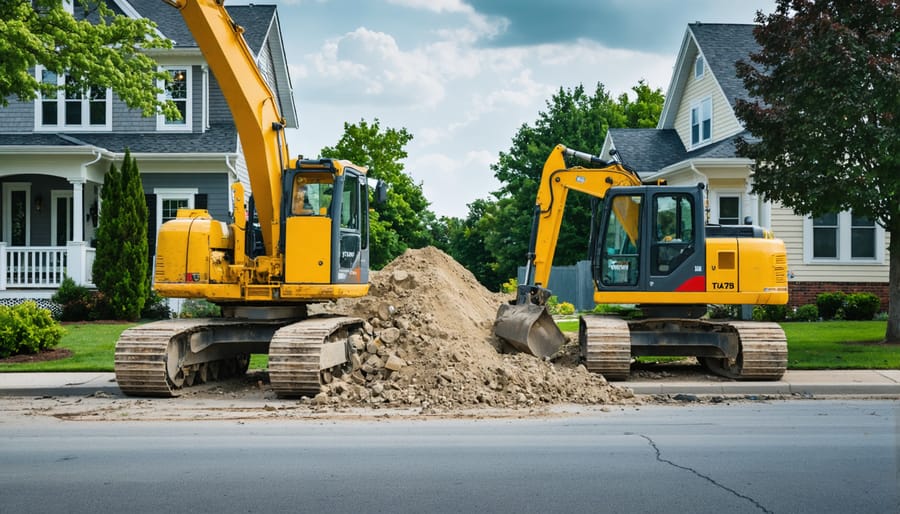
The most immediate impact is noise pollution. Construction equipment operates during business hours (and sometimes beyond), creating soundscapes that aren’t exactly music to residents’ ears. Jackhammers, concrete mixers, and heavy machinery become your neighborhood’s soundtrack, potentially driving away prospective buyers who visit during active work periods.
Traffic congestion and detours add another layer of frustration. Road closures force circuitous routes to your property, while delivery trucks and construction vehicles clog remaining thoroughfares. For commercial properties, this reduced accessibility directly impacts foot traffic and revenue, while residential areas see diminished curb appeal.
These factors often trigger temporary property value stagnation or even modest depreciation during the construction window. Buyers typically discount properties in active construction zones by 5-15 percent, depending on project scope and duration. From an insurance perspective, you’ll want to review your coverage during this period since construction activity can elevate risks like vibration damage or accidental property harm.
The silver lining? This phase is temporary and often represents the best buying opportunity for savvy investors willing to weather short-term discomfort for long-term gains. Properties purchased during construction typically appreciate significantly once projects complete, rewarding patient capital with substantial returns.
Smart Moves During the Disruption
Navigating the disruption phase strategically can mean the difference between watching your property value stagnate and positioning yourself for substantial gains. First, document everything. Take photos and videos of your property’s condition before construction begins—this creates a baseline for any insurance claims related to construction damage, such as foundation cracks or structural issues from heavy equipment vibrations.
Consider adjusting your property insurance coverage during active construction phases. Builder’s risk policies might affect nearby properties, but your standard homeowner’s policy may not adequately cover construction-related damages. Speak with your insurance agent about temporary riders that address these specific risks.
For investors eyeing opportunities, the pre-construction and early demolition phases often present the best entry points. Property values typically dip as disruption begins but before tangible improvements materialize. This creates a strategic buying window for those with patience and adequate reserves to weather the construction period.
Homeowners should explore temporary rent-back arrangements if construction becomes unbearable. Some developers will actually lease properties they plan to redevelop later, providing income while you relocate temporarily. Additionally, investigate property tax reassessment appeals during peak disruption—successfully arguing decreased market value during construction could lower your tax burden temporarily.
Finally, maintain meticulous records of all disruption-related expenses, from additional commuting costs to noise-reduction improvements. These documents strengthen your negotiating position if seeking compensation from developers and provide valuable deductions if you’re renting the property. Smart preparation today protects your investment while positioning you to capitalize when transformation completes.
Long-Term Value Shifts: The Real Winners and Losers
Properties That Gain the Most
Not all properties benefit equally when urban redevelopment transforms a neighborhood. Understanding which property types and locations capture the most value helps investors and homeowners make strategic decisions.
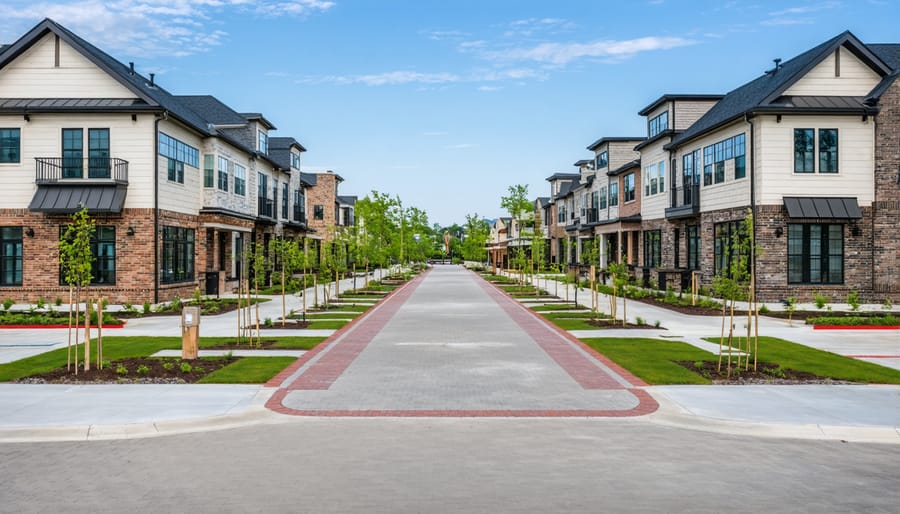
Properties within a quarter-mile radius of new transit stations typically lead the appreciation curve. This “transit premium” can boost values 10-20% above neighborhood averages, as commuters prize walkable access to trains and buses. Single-family homes and condos in this sweet spot often see the strongest property appreciation rates, particularly when redevelopment includes mixed-use projects combining retail, office, and residential spaces.
Ground-floor retail properties and buildings adjacent to new parks, plazas, and community centers gain substantially from improved foot traffic and enhanced neighborhood appeal. These amenities increase walkability scores—a metric that directly correlates with property values. Each point increase in Walk Score can add approximately $3,000 to property values in urban markets.
Older buildings with renovation potential positioned near new developments often deliver outsized returns. Smart investors recognize these properties benefit from neighborhood spillover effects without carrying premium pre-redevelopment price tags. Properties requiring cosmetic updates rather than structural overhauls present particularly attractive opportunities, as sweat equity investments can accelerate appreciation trajectories.
Location matters profoundly for micro-market property valuation. Properties on transitional blocks between established and emerging areas frequently capture appreciation from both directions as redevelopment progresses.
From an insurance perspective, appreciating properties require regular coverage adjustments. Standard homeowner policies may underinsure rapidly appreciating assets, creating coverage gaps that leave owners financially exposed. Working with insurance advisors familiar with redevelopment dynamics ensures protection keeps pace with rising values.
When Redevelopment Doesn’t Deliver
Not every redevelopment story ends with rising property values and thriving neighborhoods. Despite the best intentions of planners and developers, some projects fail to deliver promised benefits or create unintended consequences that can negatively impact property values and community stability.
Over-development represents one of the most common pitfalls. When too many similar properties flood the market simultaneously, supply outpaces demand, leading to stagnant or declining values. This scenario particularly affects investors who purchased early, banking on appreciation that never materializes. The financial implications extend beyond property values—owners may find themselves underwater on mortgages or unable to secure favorable refinancing terms when comparable sales data shows declining trends.
Failed or stalled projects create different challenges. Half-completed developments become eyesores that drag down surrounding property values rather than lifting them. These situations often trigger insurance complications, as abandoned construction sites can increase liability risks for neighboring properties and make standard homeowners policies more expensive or harder to obtain.
Gentrification presents perhaps the most complex scenario. While property values may indeed rise, rapid displacement of long-term residents can destabilize neighborhoods and create community backlash. This social tension sometimes leads to restrictive zoning changes or development moratoriums that limit future appreciation potential. For property investors, understanding these dynamics becomes crucial for risk assessment.
Market timing failures also derail redevelopment benefits. Projects conceived during economic booms may launch into recessions, leaving properties stranded in declining markets. Additionally, changing consumer preferences—like the recent shift toward remote work reducing demand for certain commercial conversions—can render redevelopment plans obsolete before completion.
Smart investors protect themselves by diversifying holdings across multiple neighborhoods, maintaining adequate insurance coverage for changing risk profiles, and building financial cushions to weather unexpected downturns.
How to Spot a Value-Boosting Project Before It Happens
Warning Signs and Green Flags
Spotting the early signs of urban redevelopment can give you a significant advantage when identifying hidden opportunities in the real estate market. Here are the key indicators to watch for:
Warning Signs That Signal Incoming Change:
Start by monitoring municipal budget allocations. When local governments earmark substantial funds for infrastructure improvements in a specific area, such as road upgrades, public transit expansions, or park developments, redevelopment often follows. Access these through public city council meeting minutes and annual budget reports.
Rezoning applications are particularly telling. When you see applications requesting changes from residential to mixed-use or commercial designations, developers are likely preparing major projects. These applications are public record and typically posted on municipal planning department websites.
Watch for developer land acquisitions. Multiple property purchases by the same development company or unusual sales patterns in a concentrated area often precede major redevelopment announcements. Title searches and property transaction records can reveal these patterns.
Green Flags Worth Celebrating:
Community improvement plans with financial incentives for property upgrades indicate municipal commitment to area revitalization. New business improvement districts forming suggest rising commercial confidence. Additionally, major anchor tenants like grocery chains or restaurants opening locations demonstrate market confidence in the area’s future.
For insurance planning purposes, note that redevelopment zones may require updated coverage assessments as property values shift and construction activity increases nearby risks.
Resources Every Real Estate Professional Should Monitor
Staying ahead of redevelopment opportunities requires monitoring the right sources consistently. Start with your city’s official planning department website, where you’ll find master plans, zoning change applications, and environmental impact reports before they hit mainstream news. Most municipalities publish these documents 30-60 days before final approval, giving savvy investors a crucial head start.
Subscribe to public hearing schedules through your local government portal. These meetings reveal which neighborhoods are under consideration for improvements, from infrastructure upgrades to complete overhauls. You’ll hear directly from developers and community stakeholders about project timelines and scope.
Economic development corporation announcements are goldmines for identifying emerging hotspots. These agencies typically release quarterly reports detailing tax incentive zones, business attraction initiatives, and planned public investments. Sign up for their email alerts to receive immediate notifications.
Don’t overlook regional transportation authority websites, as transit expansion plans often drive surrounding property appreciation. New subway stations or bus rapid transit lines can boost nearby values by 15-30% before construction even begins.
Finally, track commercial real estate databases like CoStar or LoopNet for major lease signings and development permits. When national retailers or corporate headquarters announce relocations, residential demand typically follows within 12-24 months, creating strategic entry points for property acquisition.

Finance and Insurance Considerations in Redevelopment Zones
Securing Financing in Transitional Neighborhoods
Banks approach lending in transitional neighborhoods with heightened caution, recognizing both the opportunity and risk these areas present. Traditional appraisal methods often struggle in redevelopment zones because comparable sales data may be limited or outdated, reflecting the neighborhood’s past rather than its future potential. Lenders typically assess the property’s current condition, the scope of surrounding development projects, timeline for area improvements, and overall market momentum before approving loans.
The appraisal gap represents a common challenge—when a property’s appraised value falls short of the purchase price due to insufficient comparable sales reflecting recent improvements. This can derail deals or force buyers to increase their down payment. Some lenders may also impose stricter loan-to-value ratios or higher interest rates to offset perceived risk in these evolving markets.
To secure favorable terms, consider working with local or community development financial institutions that understand the neighborhood’s trajectory better than national lenders. Portfolio lenders who hold loans on their books rather than selling them often offer more flexibility. Documenting planned infrastructure improvements, new commercial developments, and demographic shifts can strengthen your application by demonstrating concrete evidence of area appreciation potential.
Building a larger down payment—ideally 20 percent or more—signals commitment and reduces lender risk, improving your negotiating position. Exploring financing strategies specific to emerging markets, including renovation loans that factor in post-improvement value, can also bridge the appraisal gap while positioning you to capitalize on neighborhood transformation.
Insurance Rate Changes and Coverage Gaps
Urban redevelopment projects create a unique insurance landscape that property owners need to navigate carefully. As neighborhoods transform, insurers reassess risk profiles, often leading to premium adjustments that catch homeowners off guard.
During active construction phases, properties near redevelopment sites face elevated risks from debris, increased traffic, and potential structural vibrations. Standard homeowner policies may not adequately cover construction-related damages, creating coverage gaps that leave you financially exposed. It’s essential to review your policy and consider adding construction-related endorsements if your property sits within several blocks of major development work.
Once redevelopment completes, the insurance equation shifts again. Improved infrastructure, better fire protection services, and enhanced security often reduce premiums over time. However, if redevelopment increases your property value significantly, you’ll need to adjust your coverage limits accordingly to avoid being underinsured. Many homeowners overlook this step, only discovering insufficient coverage when filing a claim.
Here’s a smart strategy: document your property’s condition before nearby construction begins and maintain detailed records. This baseline helps substantiate claims if disputes arise. Additionally, contact your insurer proactively when redevelopment announcements occur. Some carriers offer specialized policies for transitional neighborhoods that provide better protection during the construction phase while positioning you for potential rate decreases once improvements stabilize.
Consider working with an insurance advisor who understands real estate development cycles. They can help you anticipate premium changes and identify coverage gaps before problems emerge, ensuring your investment remains properly protected throughout the transformation process.
Tax Implications and Incentive Programs
Understanding the tax implications of urban redevelopment is crucial for making informed property investment decisions. When neighborhoods undergo transformation, property tax assessments typically increase to reflect enhanced values, but several mechanisms exist to mitigate this financial impact.
Tax increment financing (TIF) represents one of the most significant benefits available in redevelopment zones. Under TIF programs, municipalities freeze the tax base at pre-development levels for a specified period, typically 15-25 years. Any incremental tax revenue generated from increased property values gets reinvested into infrastructure improvements, public amenities, and community projects. While your property assessment may rise, you’re essentially investing in continued neighborhood enhancement rather than simply paying higher taxes without visible returns.
Many jurisdictions offer homestead exemptions and redevelopment tax credits specifically designed to protect existing residents from displacement due to rising assessments. These programs can cap annual tax increases at 3-5% regardless of actual property value appreciation. For investors, 1031 exchanges become particularly attractive in redeveloping areas, allowing you to defer capital gains taxes by reinvesting proceeds into similar properties within opportunity zones.
Property insurance considerations also shift post-redevelopment. While premiums may initially increase due to higher replacement values, improved infrastructure, modern building codes, and enhanced public services often lead to long-term savings. Many insurers offer discounts for properties in newly developed areas with updated fire protection systems and reduced crime rates.
Smart economic policies at municipal and provincial levels increasingly recognize the need to balance development momentum with affordability. Research available abatement programs, consult with a tax professional familiar with redevelopment zones, and factor these incentives into your investment calculations to maximize returns while managing carrying costs effectively.
Understanding how urban redevelopment projects influence property values isn’t just academic knowledge—it’s a competitive advantage that can translate into significant financial gains or protect you from costly mistakes. The key is moving from passive observer to active strategist.
For homeowners currently living near announced redevelopment zones, your immediate priority is assessing your property’s position. Will you benefit from improved amenities and infrastructure, or face disruption that temporarily depresses values? Consider consulting with a local real estate appraiser to establish your current baseline value, and review your homeowners insurance policy to ensure adequate coverage during construction phases when risks may increase.
Investors should focus on timing and diversification. Early-stage acquisitions in redevelopment corridors offer the highest upside potential but carry greater uncertainty. Balance these speculative plays with established properties in areas where redevelopment outcomes are already materializing. Additionally, explore financing options that provide flexibility—redevelopment timelines frequently shift, and your capital strategy needs to accommodate delays.
Real estate professionals have an opportunity to position themselves as redevelopment experts within their markets. Build relationships with city planning departments, attend public hearings, and create client alert systems that notify buyers and sellers when new projects are announced. Your expertise in navigating redevelopment complexities becomes a valuable service differentiator.
Regardless of your role, success hinges on proactive research, continuous monitoring of municipal development plans, and strategic positioning that aligns with your risk tolerance and financial goals. Urban redevelopment rewards those who anticipate rather than react.