
Securing payment processing for your THCa vape business requires partnering with high-risk merchant account providers who understand cannabis-adjacent industries. Traditional banks and mainstream processors like Square or PayPal will reject your applications due to federal cannabis regulations, even though THCa products occupy a legal gray area under the 2018 Farm Bill.
The THCa Exhale’s disposables here present unique payment processing challenges that differ significantly from standard e-commerce businesses. Getting paid for them demands specialized financial infrastructure. Payment processors classify THCa businesses as high-risk because of regulatory uncertainty, elevated chargeback rates, and reputational concerns among banking partners.
Your merchant account application will face scrutiny regarding compliance documentation, business legitimacy, and operational transparency. Processors need assurance that you’re selling legal hemp-derived products rather than marijuana, requiring detailed product lab reports showing THCa content and delta-9 THC levels below 0.3%. Expect higher processing fees—typically 4-8% compared to 2-3% for traditional retail—plus rolling reserves where processors hold 5-10% of your revenue as security against potential chargebacks.
This comprehensive guide explains how THCa vape merchants can navigate payment processing obstacles, identify suitable high-risk processors, prepare winning applications, and maintain long-term banking relationships. Understanding these requirements before applying saves time, reduces rejections, and accelerates your path to accepting customer payments confidently.
The Banking Dilemma: Why THCa Vapes Fall Into a Gray Zone

Federal vs. State Legal Complications
THCa exists in a peculiar legal gray zone that creates significant headaches for vape merchants seeking payment processing. Under the 2018 Farm Bill, hemp-derived products containing less than 0.3% Delta-9 THC are technically federally legal—and THCa fits this definition in its raw form. However, here’s where things get complicated: when heated through vaping, THCa converts to psychoactive THC, the compound that remains federally controlled.
This chemical transformation creates confusion among financial institutions. Banks and payment processors don’t distinguish between “legal on paper” and “becomes illegal when used as intended.” They view THCa vape products as functionally equivalent to marijuana, triggering high-risk categorization regardless of federal compliance. This creates similar challenges to CBD business financing, but with added scrutiny due to the psychoactive conversion factor.
Adding another layer of complexity, state laws vary dramatically. Some states have banned THCa entirely, while others permit it under specific conditions. Payment processors must navigate this patchwork of regulations while managing federal banking oversight, leading most mainstream providers to simply decline these accounts rather than assume the compliance burden.
Vape Products: Double the Risk in Bankers’ Eyes
If you’re selling THCa vapes, you’re facing what financial institutions consider a “double red flag” scenario. The cannabinoid aspect is challenging enough, but vape products themselves carry their own set of concerns that make banks particularly nervous.
Vaping businesses historically experience chargeback rates significantly higher than traditional retail—often 2-3 times the acceptable threshold of 1%. These disputes frequently stem from customer satisfaction issues, product defects, or buyers who experience “remorse” after purchase. Banks view high chargebacks as both a financial risk and potential indicator of questionable business practices.
The regulatory landscape adds another layer of complexity. The FDA’s oversight of vaping products, combined with state-by-state restrictions on flavors, nicotine content, and sales channels, creates compliance headaches that processors must navigate. Some states have outright banned flavored vapes, while others require specific licensing that varies dramatically across jurisdictions.
Then there’s the reputation factor. Following the 2019 EVALI outbreak and ongoing health concerns, vaping remains controversial in public perception. Payment processors worry about association with products that might face future restrictions or generate negative publicity, potentially affecting their own banking relationships.
For THCa vape merchants, this means proving you’ve implemented robust age verification systems, clear return policies, and comprehensive product testing protocols—all before a processor will seriously consider your application.
What Makes a THCa Vape Merchant Account Different
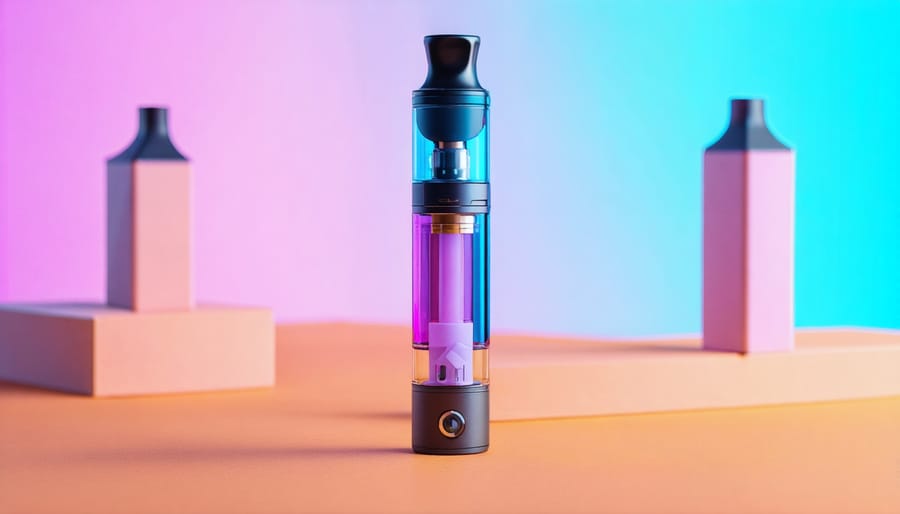
Higher Processing Fees: What to Actually Expect
THCa vape businesses should expect processing fees ranging from 3.5% to 8% per transaction—significantly higher than the 1.5% to 2.9% standard retail businesses typically pay. These elevated costs reflect the perceived risk processors assume when handling cannabis-adjacent transactions.
What drives these higher rates? Several factors come into play. First, THCa products exist in a regulatory gray area, creating legal uncertainty for payment processors. Second, these accounts historically experience higher chargeback rates, which processors offset through increased fees. Third, many traditional banking institutions still won’t touch cannabis-related businesses, limiting your options and reducing competitive pricing pressure.
Beyond transaction percentages, you’ll likely encounter additional costs: monthly account maintenance fees ($50-$200), rolling reserves (where processors hold 5-10% of your revenue for 6-12 months as a security buffer), and setup fees that can reach $500 or more. Some processors also charge gateway fees, compliance monitoring fees, and early termination penalties.
The key is viewing these fees as a cost of doing business rather than a dealbreaker. Reputable processors justify their rates through specialized support, compliance expertise, and consistent service—invaluable assets for maintaining uninterrupted payment operations in this evolving industry.
Rolling Reserves and Cash Flow Considerations
Payment processors often require THCa vape merchants to maintain rolling reserves—essentially a safety net where a percentage of your sales (typically 5-15%) is held for 90-180 days before release. Think of it as the processor’s insurance policy against chargebacks, returns, or sudden business closure.
This arrangement directly impacts your cash flow management. If you’re processing $50,000 monthly with a 10% rolling reserve, that’s $5,000 temporarily unavailable for inventory restocking, marketing, or operational expenses. Over three months, you could have $15,000 tied up before the first reserve payment releases.
To navigate this successfully, budget conservatively during your first six months. Build a cash cushion equal to at least two months of operating expenses before launching. Monitor your reserve balance closely and maintain detailed financial projections that account for delayed revenue access.
Some processors may reduce reserve percentages after demonstrating consistent low chargeback ratios and stable sales patterns—typically after 6-12 months of processing history. Understanding these requirements upfront prevents cash flow surprises that could derail your business operations.
Finding the Right Payment Processor for Your THCa Disposable Vape Business
Specialized Hemp and Cannabinoid Processors
Several payment processors have carved out expertise in the hemp-derived cannabinoid space, offering THCa vape merchants a lifeline where traditional banks won’t venture. These specialized providers understand the distinction between hemp-derived THCa (federally legal under the 2018 Farm Bill) and marijuana-derived products, though they’ll still classify your business as high-risk.
Leading processors in this niche include companies like PayKings, Maverick BankCard, and SMB Global, which have built relationships with acquiring banks willing to underwrite cannabinoid merchants. They typically charge higher processing rates—expect 4-8% per transaction compared to the standard 2-3%—but provide stability that general processors can’t match.
When evaluating payment processor options, look for providers offering chargeback mitigation programs and age verification tools, as these protect both your account and revenue stream. Many also bundle services with CBD business loans or working capital advances, helping you manage cash flow while building your merchant processing history. The key is finding a processor who won’t terminate your account at the first regulatory whisper—longevity matters in this volatile landscape.
Warning Signs of Predatory Merchant Services
When your THCa vape business is struggling to secure payment processing, it’s easy to feel pressured into accepting the first offer that comes along. Unfortunately, desperate business owners often become targets for predatory merchant service providers who exploit this urgency.
Watch out for processors demanding exceptionally high setup fees—legitimate high-risk providers charge reasonable upfront costs, typically between $500-$1,500, not several thousand dollars. Similarly, be wary of monthly fees exceeding $200 or transaction rates above 5-7%. Some disreputable companies also impose “chargeback fees” that far exceed industry standards of $25-$50 per incident.
Rolling reserves that lock away more than 10-15% of your revenue for extended periods should raise immediate red flags. While reserves protect processors from risk, excessive holds can strangle your cash flow and hamstring operations.
Contract terms matter tremendously. Avoid providers requiring multi-year commitments with hefty early termination fees—reputable processors typically offer month-to-month agreements or annual contracts with reasonable exit clauses. Hidden fees buried in fine print, such as PCI compliance charges, statement fees, or batch fees, can quickly erode your profit margins.
Finally, if a processor promises “guaranteed approval” for THCa businesses or claims they can process transactions without proper compliance measures, run the other way. These promises often lead to frozen funds and account shutdowns.
Documentation and Compliance: Building Your Application Package
Lab Testing and Product Certification Requirements
Third-party lab testing documentation acts as your product’s passport to payment processing approval. Payment processors want assurance that your THCa vape products meet legal compliance standards, and independent laboratory certificates provide exactly that verification. These reports should detail cannabinoid profiles, confirming THCa content stays within federal limits while delta-9 THC remains below 0.3%. Beyond potency testing, processors typically require contaminant screening results showing your products are free from pesticides, heavy metals, and residual solvents—all of which demonstrate you’re running a legitimate, safety-conscious operation.
Certificate of Analysis (COA) documents from ISO-certified labs carry the most weight with underwriting teams. Include batch-specific testing for each product line you’ll sell, along with your lab’s accreditation credentials. Additionally, obtain Good Manufacturing Practice (GMP) certification if possible, as this further validates your production standards. Think of these documents as the difference between a mortgage applicant showing pay stubs versus just claiming they have income—processors need tangible proof, and comprehensive testing documentation significantly strengthens your merchant account application while reducing perceived risk.
Age Verification and Responsible Marketing Policies
Payment processors scrutinize THCa vape merchants carefully, expecting robust age verification systems at every customer touchpoint. You’ll need to implement multi-step verification processes that capture government-issued ID information, employ facial recognition technology, or utilize third-party age verification services that cross-reference customer data against public records. Document everything—maintain detailed logs showing verification timestamps, methods used, and pass/fail rates.
Your marketing practices matter equally. Processors want proof that your advertising avoids appealing to minors, meaning no cartoon imagery, celebrity endorsements popular with youth, or placements on platforms where underage users congregate. Create a compliance manual outlining your marketing review process, content approval workflows, and platform restrictions. Include screenshots of your website’s age gate, checkout verification steps, and delivery confirmation requirements demanding adult signatures.
Think of this documentation as your insurance policy—processors reviewing your application need immediate evidence that you’re operating responsibly within regulatory gray areas. Merchants who proactively demonstrate these safeguards significantly improve approval odds and reduce the risk of sudden account terminations that could devastate cash flow.
Managing Risk to Keep Your Merchant Account Active
Chargeback Prevention Strategies
Reducing chargebacks is critical for maintaining your THCa vape merchant account, as processors typically terminate accounts exceeding 1-2% chargeback ratios. Start by implementing crystal-clear billing descriptors—customers should immediately recognize your business name on their statements. Maintain detailed product descriptions and transparent shipping timelines on your website to prevent misunderstandings that trigger disputes.
Require signature confirmation for high-value orders and respond promptly to customer inquiries before they escalate to chargebacks. Document everything: save order confirmations, shipping receipts, and customer communications. These records become invaluable evidence during disputes. Consider offering easy refund policies—processing a refund costs far less than fighting a chargeback and protects your account standing.
Integrate age verification systems at checkout and maintain compliance records, as fraudulent purchases from minors often result in chargebacks. Just as managing business finances requires careful monitoring, track your chargeback metrics weekly. If rates climb, investigate patterns immediately—whether it’s product quality issues, shipping delays, or unclear policies—and address root causes before your processor takes action.
Staying Ahead of Regulatory Changes
Maintaining your THCa vape merchant account requires vigilance in tracking regulatory shifts at federal, state, and local levels. Subscribe to hemp industry newsletters, join trade associations like the U.S. Hemp Roundtable, and follow updates from the FDA and DEA regarding cannabinoid regulations. These changes can directly impact your payment processor’s risk assessment of your business.
Establish a quarterly review process to evaluate your compliance documentation and business practices. When regulations change, proactively communicate with your merchant account provider—don’t wait for them to discover issues during routine audits. This transparency builds trust and demonstrates your commitment to operating within legal boundaries.
Consider working with a compliance consultant who specializes in hemp-derived products. They can interpret complex legal language and help you implement necessary adjustments before they become problems. Document all compliance efforts meticulously, as this paper trail becomes invaluable during payment processor reviews. Remember, your ability to accept payments hinges not just on current compliance, but on your demonstrated capacity to adapt as the regulatory landscape evolves around THCa products.
Alternative Payment Solutions When Traditional Processing Fails
When traditional merchant account applications hit a wall, THCa vape businesses need backup strategies to keep transactions flowing. Diversifying your payment infrastructure isn’t just smart—it’s essential for business continuity in this high-risk industry.
**Cryptocurrency payments** have emerged as a practical solution for cannabis-adjacent businesses. Bitcoin, Ethereum, and stablecoins bypass traditional banking restrictions entirely, offering lower processing fees and faster settlements. While cryptocurrency adoption among consumers remains limited, it’s growing steadily, particularly among younger demographics who comprise a significant portion of the vape market. Payment processors like BitPay and Coinbase Commerce specialize in converting crypto to fiat currency, reducing your exposure to market volatility.
**Cash-based systems** remain surprisingly relevant for businesses struggling with payment processing. ATM placements at retail locations or partnerships with cash management services can bridge the gap, though they introduce security concerns and operational complexity that require careful planning.
**Hybrid approaches** offer the most resilience. Many successful THCa vape businesses maintain multiple merchant accounts across different processors, reducing the catastrophic impact if one account closes. Combining traditional processing with cryptocurrency options and strategic cash handling creates a safety net. Consider integrating alternative financing solutions alongside your payment diversification strategy to ensure capital availability regardless of processing challenges.
The key is building redundancy before you need it—waiting until an account closes leaves you scrambling and potentially losing revenue during critical transition periods.
Securing a THCa vape merchant account may feel like navigating unfamiliar territory, but it’s entirely achievable with the right approach. While these accounts present unique challenges due to regulatory complexity and perceived risk factors, specialized payment processors exist specifically to serve this growing industry. Your success hinges on three critical elements: thorough preparation of your business documentation, transparent communication about your operations, and commitment to ongoing compliance.
Think of establishing your merchant account as building a long-term business relationship rather than simply opening a service. Processors evaluating THCa vape businesses are looking for partners who demonstrate stability, regulatory awareness, and operational integrity. By maintaining detailed records, implementing robust age verification systems, and staying current with evolving state regulations, you position yourself as a reliable merchant worth supporting.
The pathway forward requires patience and persistence. You may face initial rejections or higher processing fees than traditional retailers, but these obstacles diminish as you establish processing history and demonstrate consistent compliance. Work closely with your chosen processor, respond promptly to their requests, and view their underwriting requirements as quality standards rather than barriers. With proper preparation and the right processing partner, your THCa vape business can secure the payment infrastructure necessary for sustainable growth.