
Physical behavioral adaptations transform wildfire risk from an abstract threat into manageable daily actions that protect your property investment and reduce insurance premiums. Unlike one-time structural modifications, these ongoing practices create defensive zones around your home through consistent vegetation management, debris removal, and landscape maintenance—activities that insurers increasingly scrutinize when calculating premiums and coverage eligibility.
The financial stakes are substantial. Homeowners who demonstrate proactive wildfire adaptation behaviors can qualify for insurance discounts ranging from 10-30%, while those in high-risk zones without documented mitigation efforts face policy non-renewals or premium increases exceeding 200%. Real estate professionals now recognize that properties with established behavioral adaptation routines command higher resale values and shorter market times, particularly in California, Colorado, and other fire-prone regions where buyers demand evidence of active risk management.
These adaptations operate across three critical zones extending from your home’s foundation to the property perimeter. Each zone requires specific, recurring actions that collectively create what fire scientists call “defensible space”—the buffer that gives firefighters a fighting chance and insurers confidence in your risk profile. The behavioral component matters because seasonal vegetation growth, accumulating debris, and changing weather patterns mean yesterday’s preparation becomes today’s vulnerability without ongoing attention.
Understanding which actions to take, when to perform them, and how to document your efforts for insurance purposes separates homeowners who merely survive wildfire season from those who maintain property values and affordable coverage despite escalating regional risks.
What Physical Behavioral Adaptations Actually Mean for Your Property
The Insurance Connection You Can’t Ignore
Here’s the bottom line: insurers are paying close attention to whether you’ve invested in physical behavioral adaptations, and it directly impacts your wallet. Properties with documented defensible space maintenance, ember-resistant vents, and fire-resistant landscaping routines often qualify for premium discounts ranging from 5% to 20%, depending on your insurer and location. More importantly, these adaptations can mean the difference between securing coverage and being dropped entirely in high-risk markets where insurers are increasingly selective.
When filing claims after a wildfire, properties demonstrating proactive adaptation measures typically experience smoother claims processing and better outcomes. Adjusters look favorably on homeowners who can document regular vegetation management and structural hardening efforts. This evidence strengthens your position during the claims process and may reduce disputes over policy terms. Additionally, implementing comprehensive insurance strategies for fire-prone areas alongside physical adaptations creates a robust risk management approach that protects both your property value and insurability. Real estate professionals should emphasize these insurance benefits when advising clients in wildfire zones, as they represent tangible financial returns on adaptation investments beyond just property protection.
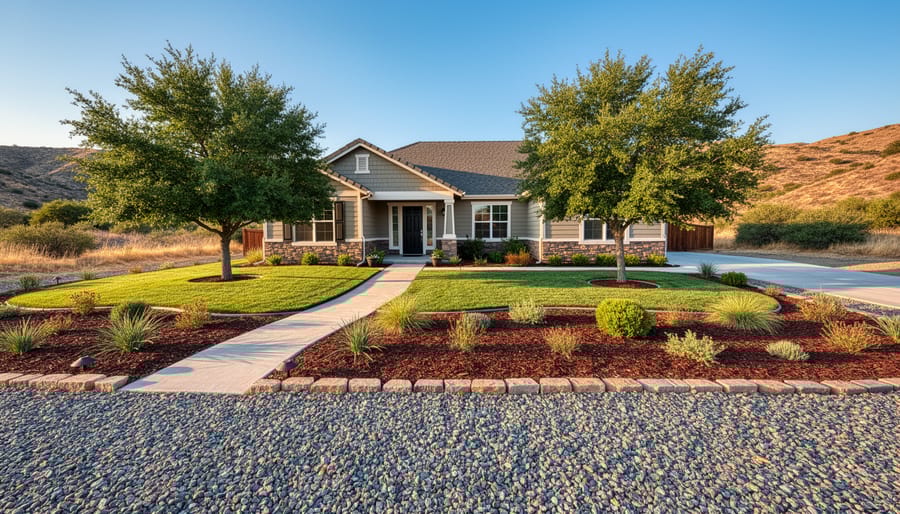
Defensible Space: The Foundation of Wildfire Protection
Zone 0: The Immediate Home Perimeter (0-5 Feet)
Zone 0 demands your most aggressive action. This immediate five-foot perimeter around your home requires complete removal of all combustible materials, including plants, mulch, and wooden features. Think of it as your property’s fire break, the last line of defense that can mean the difference between a minor insurance claim and a total loss.
Replace wood mulch with non-combustible alternatives like gravel, crushed stone, or decorative rock. These materials won’t ignite from flying embers, which studies show cause up to 90% of home ignitions during wildfires. Remove any vegetation entirely or opt for high-moisture succulents spaced at least 18 inches apart. Your foundation walls, decking, and siding are too valuable to risk with improper landscaping choices.
From a real estate perspective, properties with well-maintained Zone 0 defensible space consistently appraise higher in fire-prone markets. Insurance carriers increasingly require photographic evidence of this cleared perimeter during underwriting reviews. Maintaining this zone isn’t a one-time project but an ongoing behavioral commitment. Weekly inspections for leaf litter, debris accumulation, and encroaching vegetation are essential. This active maintenance approach directly impacts your insurability and premium calculations, making Zone 0 management both a safety imperative and a sound financial strategy.
Zone 1: The Defensive Buffer (5-30 Feet)
Zone 1 demands the most intensive homeowner involvement and represents your property’s critical defensive perimeter. Within this 5-30 foot radius from your home, think of yourself as an active fire manager rather than a passive homeowner. This means removing all dead vegetation, leaves, and debris at least quarterly, spacing plants strategically to prevent flame spread, and maintaining irrigated, low-growing vegetation.
The behavioral aspect here is crucial: unlike installing fire-resistant siding once and forgetting about it, Zone 1 requires ongoing maintenance habits. Trim tree branches to at least 10 feet from your roof, remove plants touching your home’s exterior, and store firewood at least 30 feet away. Consider replacing wood mulch with gravel or rock near foundations, as it won’t ignite.
From an insurance perspective, carriers increasingly use satellite imagery and aerial assessments to evaluate Zone 1 compliance. Properties showing proper defensible space often qualify for premium discounts ranging from 5-20%, while neglected zones may trigger policy non-renewals. Real estate professionals should note that well-maintained Zone 1 spaces have become significant selling points in fire-prone markets, directly impacting property valuations and buyer confidence during inspections.
Zone 2: The Extended Protection Area (30-100 Feet)
Beyond the immediate home perimeter, Zone 2 spans from 30 to 100 feet and requires a different management approach centered on reducing fuel loads that could feed an approaching wildfire. This area focuses on strategic tree thinning, removing dead or dying vegetation, and maintaining spacing between larger plants to prevent fire from moving through the canopy or along the ground.
The key behavioral adaptation here is active landscape management rather than complete vegetation removal. Create horizontal and vertical spacing between trees—typically maintaining 10-foot gaps between canopies—and remove low-hanging branches up to 6-10 feet from the ground. Clear brush and smaller vegetation regularly, especially during dry seasons, but retain enough greenery to prevent erosion and maintain property aesthetics.
From a real estate perspective, well-managed Zone 2 areas can actually enhance property values by creating park-like settings that appeal to buyers while demonstrating fire-conscious ownership. Insurance companies increasingly reward this proactive approach with premium reductions, as properties with documented defensible space management show significantly lower loss ratios during wildfire events. Many insurers now require photographic evidence of Zone 2 maintenance during underwriting reviews, making ongoing management not just advisable but financially essential for maintaining coverage in high-risk areas.
Vegetation Management Behaviors That Make the Difference
Strategic Pruning and Trimming Schedules
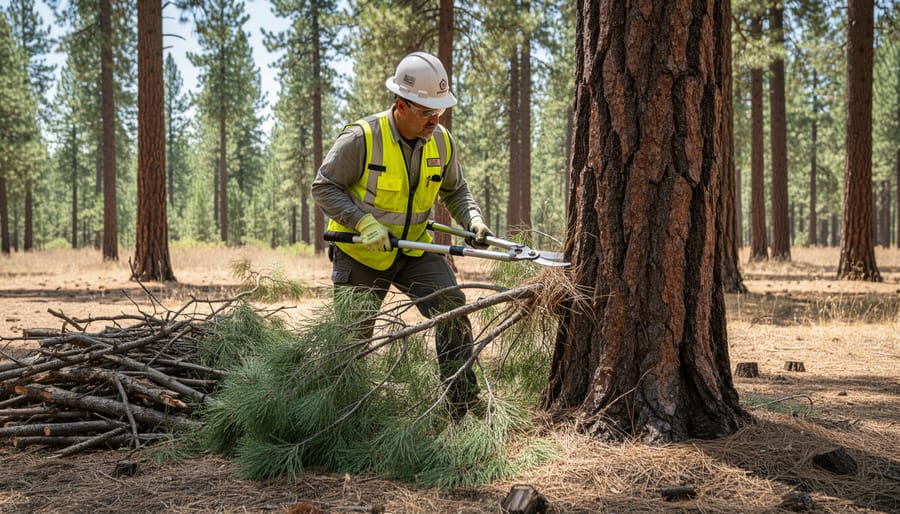
Strategic pruning serves as your first line of defense against wildfire escalation. The key is eliminating fire ladders, which are continuous fuel sources allowing flames to climb from ground vegetation up into tree canopies. For optimal protection, schedule your major pruning twice annually: late winter before spring growth begins, and early fall after summer’s heat subsides.
Start by removing all tree branches within six to ten feet of the ground. This vertical separation prevents ground fires from reaching upper canopies where they spread most rapidly. For shrubs near structures, maintain a maximum height of eighteen inches and remove any dead interior branches that act as hidden fuel pockets.
Pay special attention to spacing between plants. Mature trees should stand at least ten feet apart, with crown-to-crown separation preventing fire from jumping between specimens. Remove any volunteer seedlings or saplings that compromise this spacing.
From an insurance perspective, documented pruning schedules can strengthen your coverage position. Some carriers offer premium discounts for properties demonstrating active fuel management, while others may require proof of maintenance in high-risk zones. Keep detailed records including photos and professional service invoices, as these become valuable during underwriting reviews or claim situations. This proactive approach not only protects your property investment but potentially reduces your long-term insurance costs.
Plant Selection and Replacement Strategies
Strategic plant selection isn’t a one-and-done task; it’s an ongoing behavioral commitment that directly impacts your property’s insurability and market value. Fire-resistant landscaping means actively replacing highly flammable vegetation with hardwood trees, deciduous shrubs, and succulents that contain higher moisture content and produce less combustible debris.
Start by identifying your property’s most vulnerable plantings. Common culprits include juniper, pine, eucalyptus, and ornamental grasses that dry out seasonally. Replace these incrementally with fire-resistant alternatives like California lilac, toyon, or native oak species, depending on your region. This phased approach spreads costs while demonstrating to insurers your proactive risk management.
Property owners who document their plant replacement schedule often negotiate better insurance premiums, as carriers recognize reduced ignition potential. Real estate professionals should note that homes with established fire-resistant landscaping typically appraise higher in wildfire-prone markets, as buyers increasingly prioritize defensible space features.
The key behavioral element is maintenance: even fire-resistant plants require pruning, irrigation monitoring, and seasonal replacement of dead material. Create a quarterly assessment routine, keeping photographic records of improvements. This documentation becomes valuable evidence when seeking insurance discounts or highlighting safety features during property sales. Remember, strategic vegetation management is an investment that compounds over time, protecting both property value and lives.
Debris Removal and Fuel Management
The single most overlooked wildfire defense strategy isn’t what you install, it’s what you remove. Dead vegetation, fallen leaves, pine needles, and accumulated combustible materials create the perfect ladder for flames to reach your home. Yet most homeowners treat debris removal as a once-a-year spring cleaning project rather than the ongoing behavioral adaptation it needs to be.
In fire-prone regions, effective fuel management means establishing a quarterly removal schedule at minimum. During peak fire season, monthly walkthroughs become essential. Focus on clearing gutters, removing debris from decks and porches, and raking organic material away from structures. Property insurance carriers increasingly factor these maintenance habits into risk assessments, with some offering premium reductions for documented fuel management programs.
The financial logic is straightforward: spending a few hours each season removing combustible materials costs virtually nothing compared to potential loss. Real estate professionals report that homes with visible fuel management practices command higher prices and attract more serious buyers in wildfire zones, as purchasers recognize the reduced insurance costs and enhanced protection these behavioral patterns provide.
Hardscaping Modifications That Reduce Fire Risk
Pathways, Patios, and Fire Breaks
Creating defensible space around your property isn’t just about vegetation management—strategic hardscaping plays a crucial role in interrupting fire pathways. Non-combustible pathways, patios, and driveways act as physical barriers that can slow or stop advancing flames, essentially creating safety zones around your home.
Consider materials like concrete, gravel, stone pavers, or decomposed granite for walkways and entertainment areas. These surfaces don’t just enhance curb appeal; they provide critical fire breaks that can influence your property’s insurability. Many insurers now factor hardscaping into their risk assessments, potentially lowering premiums for properties with well-designed non-combustible zones.
When planning these features as part of your home renovation considerations, think strategically about placement. A wide gravel path along your home’s perimeter creates separation from vegetation, while a stone patio can serve double duty as both recreational space and fire buffer. Regular maintenance is essential—keep surfaces clear of leaf litter and debris that could provide fuel.
For real estate professionals, highlighting these features during property showings demonstrates proactive risk management. From a resale perspective, homes with thoughtfully designed hardscaping in fire-prone areas increasingly command premium prices, as buyers recognize both the safety value and reduced insurance costs these adaptations provide.
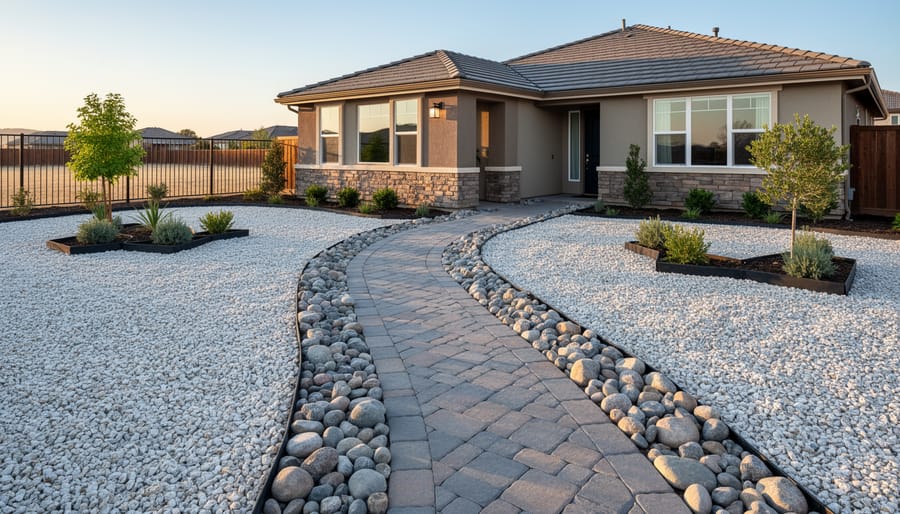
Gravel Beds and Rock Gardens as Defensive Barriers
Replacing traditional mulch and vegetation with gravel beds and rock gardens represents one of the most effective behavioral shifts homeowners can make in fire-prone areas. This adaptation involves strategically placing non-combustible materials like river rock, crushed stone, or decorative gravel in zones closest to your home’s foundation, particularly within the first five feet of the structure. Unlike wood chips or pine bark that readily ignite, these inert materials create a fire-resistant buffer that can significantly slow or stop ember advancement.
From a property value perspective, this adaptation sends a clear signal to potential buyers and insurers that you’ve taken proactive measures to reduce risk. Many insurance carriers now offer premium discounts for homes featuring defensible space improvements, and appraisers increasingly recognize hardscaping as value-adding infrastructure rather than mere landscaping. The initial investment typically ranges from $3 to $8 per square foot depending on material choice, but the long-term payoff includes reduced maintenance costs compared to organic materials that require regular replacement.
The behavioral aspect comes into play through ongoing maintenance: keeping these areas clear of blown leaves, pine needles, and debris that can accumulate between rocks. This simple quarterly task maintains the protective barrier’s effectiveness while demonstrating to insurance underwriters your commitment to risk mitigation.
Water Access and Irrigation System Behaviors
Installing and Maintaining Supplemental Water Sources
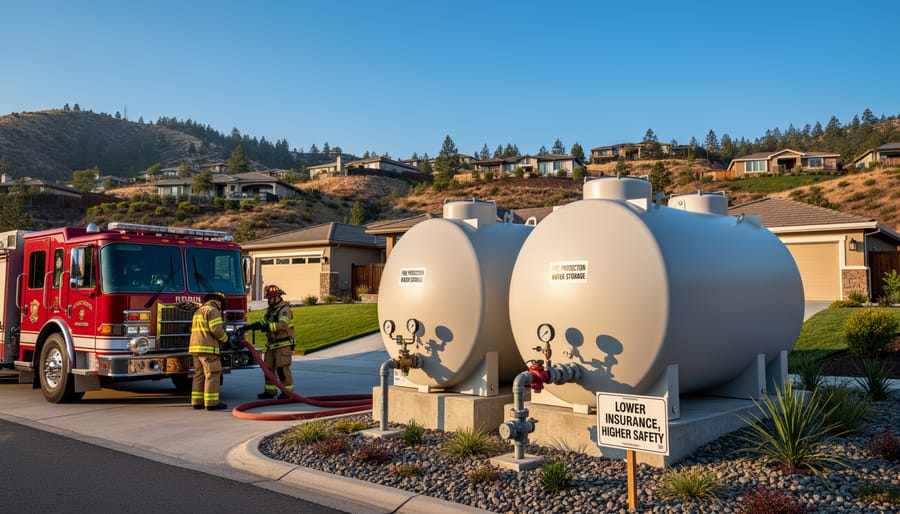
Having a supplemental water source on your property isn’t just good preparedness—it’s a physical behavioral adaptation that can significantly impact both wildfire survivability and property insurance premiums. Installing pools, rainwater collection tanks, or emergency ponds creates accessible water reserves for firefighting efforts when municipal systems become overwhelmed or fail entirely.
The key word here is maintaining. Simply installing a 5,000-gallon tank doesn’t help if it sits empty during fire season. This is where the behavioral component becomes critical. Property owners must commit to regular monitoring and refilling, ensuring these water sources remain accessible to emergency responders. That means keeping access roads clear, marking locations with reflective signage, and installing standard fittings that fire departments can quickly connect to.
From a financial perspective, documented supplemental water systems can strengthen your position during insurance underwriting. Many insurers recognize these installations as genuine risk mitigation, potentially qualifying you for premium reductions. Real estate professionals should note that properties with maintained water systems increasingly command market premiums in fire-prone regions, as savvy buyers understand the dual benefit of safety enhancement and insurance savings. The initial investment typically ranges from $2,000 to $15,000 depending on capacity and complexity—a modest outlay considering the potential property protection and ongoing insurance benefits.
Strategic Irrigation for Green Zones
During peak fire season, strategically watering your defensive perimeter zones creates living firebreaks that can significantly reduce ignition risk. Focus irrigation efforts on the zone immediately surrounding your home, maintaining green lawns, hedges, and tree canopies within 30-100 feet of structures. This practice keeps fuel moisture content high, making vegetation far less combustible during extreme fire weather events.
From an insurance perspective, this proactive behavior demonstrates ongoing risk management that some carriers now factor into premium calculations. Real estate professionals should note that properties with automated irrigation systems targeting defensive zones often command higher values in fire-prone markets. Consider installing drip irrigation or micro-sprinklers on timers to ensure consistent moisture levels without excessive water use. Document your irrigation schedule and maintain photographs of well-watered green zones, as this evidence can support insurance claims and property disclosures during sales transactions.
Seasonal Preparation Routines That Property Owners Must Adopt
Wildfire protection isn’t a once-and-done checkbox item. It requires establishing seasonal rhythms that become second nature, much like changing smoke detector batteries or scheduling furnace maintenance. Property owners in fire-prone regions need to adopt recurring physical routines that align with fire season cycles to maintain their home’s defensive posture year-round.
Begin your spring preparations by scheduling a comprehensive property assessment before vegetation growth accelerates. Walk your perimeter zones monthly during March through May, clearing accumulated winter debris, pruning branches that encroach on structures, and refreshing gravel or mulch in defensible space areas. This proactive timeline matters significantly for insurance considerations, as many carriers now require documented maintenance schedules as part of disaster preparedness planning.
As summer approaches, transition into weekly monitoring mode. Every seven days during peak fire season, physically inspect gutters for leaf accumulation, check that irrigation systems function properly in dry zones, and remove any new vegetation growth within the immediate five-foot perimeter. This isn’t paranoia but rather smart risk management that directly impacts your property’s insurability and resale value.
The fall shoulder season demands different attention. Schedule professional roof cleanings to remove pine needles and debris before winter moisture promotes decay. Trim back vegetation that grew during summer months, and physically store patio furniture cushions and outdoor equipment that could become fuel sources.
These cyclical behaviors create compounding protection benefits. Real estate professionals report that properties with documented seasonal maintenance routines often command premium prices in fire-prone markets, while insurers increasingly reward consistent behavioral adaptations with more favorable underwriting decisions. The key is transforming these tasks from occasional projects into ingrained seasonal habits that protect both your investment and your insurability.
The Real Estate and Financial Payoff of Physical Adaptations
Insurance Premium Reductions and Coverage Benefits
Insurance companies increasingly reward homeowners who demonstrate consistent physical behavioral adaptations with measurable premium reductions, typically ranging from 5% to 20% in wildfire-prone areas. Carriers recognize that properties with maintained defensible space, regularly cleared gutters, and seasonal vegetation management present significantly lower risk profiles than those relying solely on passive structural features.
Many insurers now offer specialized climate resilience insurance products that specifically discount policies for documented adaptive behaviors. These programs often require photo verification or annual inspections confirming homeowners are actively maintaining their fire-reduction protocols. Some carriers provide additional benefits like guaranteed replacement coverage or waived deductibles for properties meeting ongoing maintenance standards.
Real estate professionals should note that properties with established behavioral adaptation routines often qualify for better coverage terms during renewals, even as wildfire risk increases in surrounding areas. Documentation of these practices through maintenance logs, professional inspections, or neighborhood fire-safety programs can strengthen policy applications and prevent non-renewal situations. This proactive approach not only protects property values but also ensures continued insurability in increasingly challenging markets where coverage availability continues tightening for high-risk properties.
Property Value Protection and Market Appeal
Wildfire-adapted properties are increasingly commanding premium positions in fire-prone real estate markets. Homes with documented defensible space maintenance, ember-resistant venting, and fire-resistant landscaping demonstrate measurably higher resilience, translating directly into sustained property values even as surrounding areas face elevated wildfire risk.
Real estate professionals report that buyers in high-risk zones now actively seek properties with established wildfire adaptations, viewing them as move-in ready rather than requiring costly retrofits. These features serve as powerful selling points, often reducing time on market by 15-30% compared to unprotected properties in the same neighborhoods.
The financial advantages extend beyond sale price. Properties demonstrating consistent behavioral adaptations—such as seasonal vegetation management and annual exterior maintenance—qualify for lower insurance premiums, as property improvements reduce premiums through demonstrated risk mitigation. Insurance carriers increasingly offer discounts ranging from 10-25% for homes meeting Firewise certification standards.
Market data reveals that wildfire-adapted properties maintain value stability during post-fire recovery periods when comparable unprotected homes may experience 8-12% valuation drops. This resilience provides significant equity protection, making these adaptations not merely safety measures but strategic financial investments for property owners in vulnerable regions.
Physical behavioral adaptations for wildfire risk reduction aren’t a one-and-done project you can cross off your list and forget. Think of them more like maintaining a garden or servicing your car—they require ongoing attention, seasonal adjustments, and genuine commitment to be effective. The homeowners who see real results are those who understand that defensible space maintenance is a continuous practice, not a weekend task completed once every few years.
This mindset shift matters tremendously, especially when you consider the intersection of safety, financial protection, and property stewardship. Your insurance premiums, property value, and most importantly, your family’s safety all depend on sustained vigilance. Real estate professionals know that homes with well-maintained defensible space command better prices and attract more serious buyers, but only when that maintenance is demonstrably ongoing rather than a quick cleanup before listing.
If you’re a homeowner feeling overwhelmed, start with just one zone—typically Zone 0, the area immediately surrounding your structure. Master that five-foot perimeter first. Remove debris, maintain noncombustible surfaces, and establish a maintenance calendar. Once that becomes routine, expand outward to Zone 1, then Zone 2. Small, consistent actions compound over time into meaningful risk reduction.
For real estate professionals, your role is crucial in educating clients about these ongoing commitments. Help buyers understand what they’re inheriting when purchasing property in wildfire-prone areas, and guide sellers toward implementing these adaptations to maximize their property’s marketability and insurability. The properties that thrive in tomorrow’s market will be those where physical behavioral adaptations become second nature to their owners.