
Your property’s exterior faces relentless assault from the elements—UV radiation, moisture infiltration, temperature fluctuations, and impact damage—all silently eroding your investment’s value while inflating maintenance costs. Traditional building materials now share the market with engineered alternatives that promise to slash long-term expenses by 30-60% while potentially reducing insurance premiums and boosting resale values.
The materials revolution transforming residential and commercial properties isn’t about futuristic concepts; it’s about proven technologies delivering measurable financial returns today. Fiber cement siding outlasts wood by decades while resisting fire, insects, and rot. Synthetic roofing membranes survive 50+ years compared to asphalt’s 20-year lifespan. Impact-resistant windows withstand hurricane-force winds that would shatter conventional glass, qualifying properties for insurance discounts up to 45% in high-risk zones.
Understanding which innovative materials align with your property’s specific vulnerabilities and your financial objectives requires navigating a complex landscape of upfront costs versus lifetime value. The calculus extends beyond simple durability—these materials influence everything from energy efficiency ratings to mortgage qualification standards to tax incentive eligibility.
This guide examines the most financially impactful material innovations available to property owners and real estate professionals, translating engineering specifications into bottom-line numbers. You’ll discover which upgrades deliver the fastest ROI, how to leverage material choices during property negotiations, and when premium materials justify their price tags versus when standard options suffice.
Why Traditional Building Materials Are Costing You More Than You Think
When you chose wood siding, vinyl windows, or standard asphalt shingles for your property, the upfront price tag probably seemed reasonable. But here’s what most homeowners and investors don’t calculate: the true lifetime cost of traditional building materials extends far beyond that initial purchase receipt.
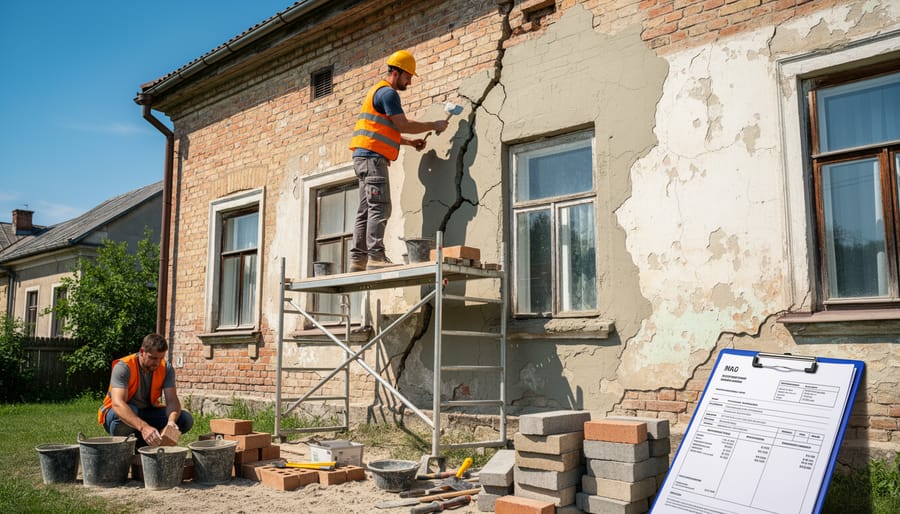
Traditional materials follow a predictable—and expensive—cycle. Wood requires repainting every 3-5 years and rot replacement within 10-15 years. Standard roofing needs replacement every 15-20 years. These recurring maintenance costs compound over decades of ownership, quietly eroding your property’s profitability and your peace of mind.
Then there’s the insurance angle that catches many property owners off-guard. Homes built with fire-prone or weather-vulnerable materials face higher insurance premiums—sometimes 15-25% more than properties with impact-resistant or fire-rated materials. Insurance companies price risk precisely, and conventional materials represent measurable vulnerability to claims from storms, fires, and deterioration-related damage.
Property value depreciation presents another hidden cost. While land typically appreciates, structures naturally depreciate unless maintained impeccably. Buildings with conventional materials that show visible aging—faded paint, cracked siding, weathered roofing—depreciate faster than properties utilizing durable modern alternatives. This depreciation directly impacts your exit strategy ROI when selling or refinancing.
For real estate investors, these factors create a triple threat: higher ongoing maintenance budgets reduce cash flow, elevated insurance costs squeeze profit margins, and faster depreciation limits appreciation potential. A rental property generating $2,000 monthly might seem profitable until you factor in $8,000 roof replacements every 15 years, annual maintenance averaging $3,000, and insurance costing $400 more annually than comparable properties with durable materials.
The financial reality? Traditional materials often cost 40-60% more over a 30-year ownership period when you account for replacement cycles, maintenance intervals, insurance differentials, and lost property value. Understanding this complete cost picture is essential for making informed material choices that protect your investment long-term.
The New Generation of Damage-Resistant Materials
Self-Healing Concrete and Smart Foundation Solutions
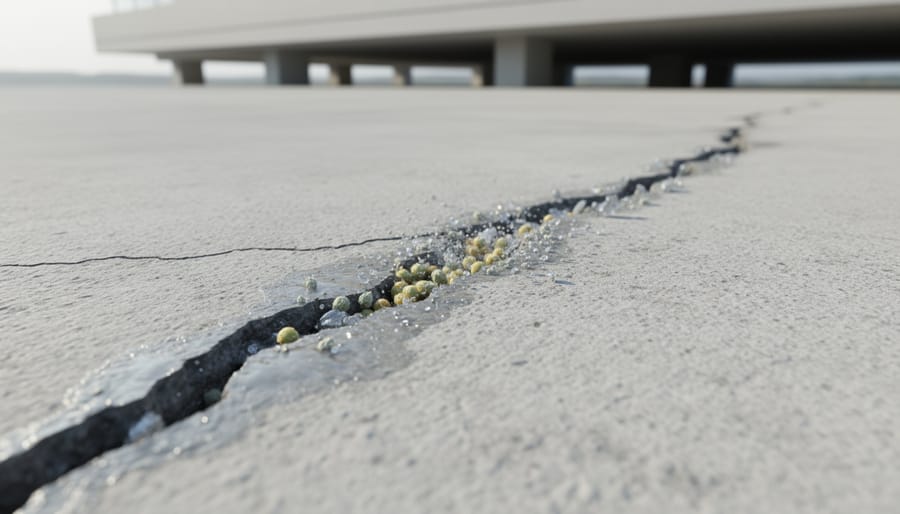
Imagine concrete that heals its own cracks—sounds like science fiction, but it’s already transforming how we think about foundation longevity. Bio-concrete, also called self-healing concrete, contains dormant bacteria (typically Bacillus species) mixed with calcium lactate. When cracks form and water seeps in, these bacteria activate and produce limestone, effectively sealing gaps before they become structural problems. This biological innovation can extend foundation lifespan by decades, addressing one of the most costly maintenance issues property owners face.
Beyond bio-concrete, smart foundation solutions incorporate embedded sensors that monitor stress, moisture levels, and structural integrity in real-time. These systems alert homeowners to potential issues before they escalate, preventing the catastrophic foundation failures that can devastate property values.
The financial implications are substantial. Properties with self-healing foundations typically see reduced insurance premiums—some insurers offer 10-15% discounts for homes using verified self-repairing materials. During property appraisals, these advanced foundations add measurable value since they promise lower maintenance costs over the building’s lifetime. A study from the Netherlands showed buildings with bio-concrete required 50% less repair work over a 20-year period compared to traditional concrete.
For homebuyers, understanding whether a property uses these materials should be part of due diligence. Ask for documentation about foundation materials during inspections, and consider how self-healing technology might affect your long-term ownership costs. While initial construction costs run 20-30% higher, the payback period typically falls within 10-15 years through reduced maintenance expenses and improved resale values.
Advanced Composite Roofing Systems
Your roof does more than keep rain out—it’s increasingly becoming a smart financial asset that can slash both insurance premiums and monthly utility bills. Modern roofing technology has evolved far beyond traditional asphalt shingles, offering property owners tangible returns through reduced costs and enhanced protection.
Impact-resistant polymer roofing systems represent a significant leap forward in durability. These advanced materials, often rated Class 4 for hail resistance, can withstand impacts that would damage conventional roofs. The financial benefit? Many insurance carriers offer premium discounts ranging from 15% to 35% for homes with impact-resistant roofing. In hail-prone regions, this translates to hundreds of dollars in annual savings while protecting your property investment from costly storm damage.
Solar-integrated shingles have transformed roofs into power generators without the bulky appearance of traditional panels. These innovative products blend seamlessly with standard roofing materials while producing electricity to offset your energy consumption. Though the upfront investment is higher, homeowners typically see returns through reduced electric bills, federal tax credits up to 30%, and increased property values—often recouping costs within 10 to 15 years.
Cool roof technology uses specially formulated reflective coatings that bounce solar radiation away from your home rather than absorbing it. By maintaining lower surface temperatures, these systems can reduce cooling costs by 10% to 30% in warm climates. The energy efficiency improvements also make properties more attractive to environmentally conscious buyers, potentially commanding premium prices in competitive real estate markets.
Next-Level Exterior Cladding and Siding
Today’s exterior cladding options go far beyond traditional vinyl siding, offering homeowners innovative solutions that pay dividends in both durability and resale value. Fiber cement alternatives like compressed mineral panels deliver the aesthetic appeal of wood without the vulnerability to rot, insects, or fire damage. These materials typically last 50+ years with minimal maintenance, which translates to lower insurance premiums in many markets since insurers recognize their fire-resistant properties.
Engineered wood products represent another game-changer, combining wood fibers with protective resins to create siding that resists moisture penetration while maintaining natural wood’s visual warmth. Unlike traditional wood siding requiring repainting every 5-7 years, these products often come with 25-year warranties and factory-finished colors that hold up remarkably well.
Weather-resistant composites push innovation even further by blending recycled materials with advanced polymers. These products withstand extreme temperature swings, resist fading from UV exposure, and require virtually no maintenance beyond occasional washing. From a financial perspective, properties with premium cladding systems typically command 5-10 percent higher resale values while reducing annual maintenance costs by 60-70 percent compared to traditional materials. For real estate investors, this combination of immediate curb appeal and long-term cost savings makes modern cladding materials a strategic upgrade worth serious consideration.
Waterproofing and Moisture-Control Innovations
Water damage remains one of the most expensive claims for property insurers, costing billions annually. Fortunately, cutting-edge waterproofing technologies are dramatically reducing this risk while protecting property values. Advanced membranes now feature self-healing polymers that automatically seal minor punctures and cracks before leaks develop, essentially acting as the first line of defense against moisture intrusion.
Nano-coatings represent another breakthrough, creating microscopic barriers that repel water at the molecular level while allowing structures to breathe. These ultra-thin applications work on everything from foundations to roofing materials, preventing the moisture accumulation that leads to mold, rot, and structural deterioration. For homeowners and investors, this translates to lower maintenance costs and fewer insurance claims.
Smart vapor barriers with integrated moisture sensors take protection further by alerting property owners to potential issues before visible damage occurs. This proactive approach appeals to insurers who may offer premium discounts for homes equipped with monitoring technology. Real estate professionals should note that properties featuring these advanced waterproofing systems often command higher resale values, as buyers recognize the long-term savings from reduced repair needs and energy efficiency improvements associated with proper moisture control.
How Innovative Materials Impact Your Property Financing and Insurance
Getting Better Mortgage Terms with Durable Construction
Mortgage lenders are increasingly recognizing the financial advantages of properties constructed with high-durability materials, and this recognition translates directly into better financing opportunities for borrowers. When you apply for a mortgage on a home built with innovative, long-lasting materials, lenders perceive reduced risk. The logic is straightforward: durable construction means fewer structural issues, lower maintenance costs, and stronger property value retention over time.
This favorable perception often results in more competitive mortgage terms. Some lenders offer interest rate reductions of 0.125% to 0.25% for properties meeting specific durability standards or green building certifications that emphasize long-lasting materials. While this might seem modest, it represents thousands in savings over a typical mortgage term.
Additionally, properties with enhanced durability can command improved loan-to-value ratios, meaning you may qualify for financing with a smaller down payment. Lenders view these homes as better collateral because their resilience against weather, decay, and wear maintains appraisal values more consistently. For real estate investors and homebuyers alike, this creates a compelling financial case: choosing durable construction materials not only protects your property but also unlocks more favorable financing from day one.
Unlocking Insurance Discounts and Reduced Premiums
Investing in innovative building materials pays dividends beyond durability through substantial insurance savings. Impact-resistant roofing systems, particularly those rated Class 4 for hail resistance, typically qualify for premium reductions of 15-35% depending on your location and insurer. Fire-resistant materials like fiber cement siding and metal roofing can unlock discounts of 10-25% in wildfire-prone areas, while flood-resistant construction features such as elevated foundations and water-resistant barriers may reduce flood insurance costs by 20-40%.
To maximize these benefits, documentation is essential. Request certification letters from manufacturers proving material ratings and standards compliance. Take detailed photographs during installation showing materials and techniques used. Keep all invoices and contractor documentation organized in a dedicated file. Submit these materials to your insurance provider immediately after project completion rather than waiting for renewal, as some companies offer retroactive discounts.
Work directly with your insurance agent before starting renovations to understand which specific materials and certifications qualify for discounts in your area. Many insurers have preferred vendor lists or specific product requirements. Getting pre-approval ensures your investment translates directly into premium savings, potentially recovering material upgrade costs within 3-7 years through reduced insurance expenses alone.
Property Value Appreciation and Market Competitiveness
Properties featuring innovative materials consistently command premium pricing in today’s competitive real estate market. Homes equipped with cutting-edge materials like fiber-cement siding, impact-resistant roofing, or advanced insulation systems typically see 3-8% higher resale values compared to traditionally built counterparts. These materials signal quality and forward-thinking maintenance to discerning buyers who understand the long-term cost benefits.
Beyond the immediate price advantage, innovative materials attract a more qualified buyer pool. Purchasers increasingly research material specifications and durability ratings before making offers, particularly millennials and Gen Z homebuyers who prioritize sustainability and lifecycle costs. Properties that showcase enhanced durability features often receive multiple offers and sell 20-30% faster than comparable homes.
From a financing perspective, lenders view homes with verified innovative materials more favorably, sometimes offering better mortgage terms due to reduced risk profiles. Insurance carriers may also provide documentation that supports higher property valuations during appraisals, recognizing that enhanced durability translates to lower claim likelihood and better long-term property preservation.
Making the Financial Case: ROI Analysis for Material Upgrades
Understanding the true financial impact of material upgrades requires looking beyond the price tag. Let’s break down a practical framework to calculate whether premium materials make financial sense for your property investment.
Start with a simple comparison: conventional asphalt roofing costs approximately $5,000 to install, while metal roofing runs closer to $15,000. That $10,000 gap seems substantial until you examine the lifecycle. Asphalt requires replacement every 15-20 years, while metal roofing lasts 50+ years. Over a 30-year period, you’ll replace asphalt twice (total cost: $15,000 plus inflation), while metal remains intact. Factor in lower insurance premiums—typically 20-35% reductions for impact-resistant materials—and the metal roof pays for itself within 12-15 years.
The break-even timeline becomes even more attractive when you incorporate maintenance savings. Fiber cement siding requires repainting every 10-15 years at $3,000-$8,000 per project, while premium materials like engineered stone cladding need minimal upkeep. Multiply these savings across multiple building components, and the numbers shift dramatically in favor of durability.
Property investors should calculate ROI using this formula: divide the total projected savings (maintenance costs plus insurance reductions plus energy efficiency gains) by the additional upfront investment. An ROI above 15% typically justifies the upgrade. For a rental property, premium materials also reduce tenant turnover costs by minimizing maintenance disruptions.
Don’t overlook available tax credit opportunities for energy-efficient or environmentally sustainable materials, which can reduce your initial investment by 10-30%. Many provinces offer rebates for specific upgrades like advanced insulation systems or water-conserving materials.
The smartest approach? Request detailed warranty documentation and maintenance schedules from contractors. Compare the net present value of all costs over a 20-year horizon. This comprehensive view reveals that premium materials often deliver superior returns while simultaneously protecting your property value and reducing long-term financial risk.
What Real Estate Professionals Need to Know When Advising Clients
When advising clients on properties featuring innovative materials, your role extends beyond traditional property evaluation. Understanding material durability directly impacts your ability to guide clients toward smarter investments and protect their long-term interests.
Start by asking targeted questions during property assessments. When was the roof last replaced, and what materials were used? Are the exterior finishes traditional or advanced composites? Does the property feature impact-resistant windows or fiber cement siding? These questions help you identify properties with superior durability profiles that may justify premium pricing or offer better value propositions.
Client conversations should connect material choices to concrete financial outcomes. For instance, when a buyer questions why a home with composite decking costs more, explain that traditional wood decking requires replacement every 10-15 years at several thousand dollars, while composite materials can last 25-30 years with minimal maintenance. This reframes the discussion from upfront cost to total ownership expense.
Property managers should maintain detailed records of innovative materials in their portfolios. This documentation proves invaluable when negotiating insurance premiums, as carriers increasingly offer discounts for impact-resistant roofing, storm-resistant doors, and fire-resistant siding. Some clients have secured 15-20% reductions in premiums by documenting these upgrades.
For investors, emphasize how material durability reduces vacancy rates and capital expenditure cycles. Properties requiring less frequent repairs maintain consistent cash flow and attract quality tenants willing to pay premium rents for well-maintained spaces.
Address common concerns proactively. When clients worry about unproven technologies, point to manufacturer warranties—many innovative materials now carry 30-50 year guarantees compared to 15-20 years for traditional options. This warranty coverage itself represents tangible value that protects their investment and provides recourse if performance falls short.
Investing in innovative materials isn’t just about building better—it’s about building smarter. The financial benefits extend far beyond initial construction costs, delivering measurable returns through reduced maintenance expenses, lower insurance premiums, and significantly enhanced property values. Properties featuring advanced materials like impact-resistant roofing, fiber cement siding, or engineered lumber consistently command higher market prices while simultaneously reducing your exposure to costly repairs and insurance claims.
The smart money is on durability. By selecting materials that resist wear, weather, and damage, you’re essentially purchasing peace of mind alongside physical improvements. Many insurance providers now offer premium discounts for homes built with certified impact-resistant or fire-resistant materials—savings that accumulate year after year.
Ready to make your property work harder for your wallet? Start by consulting with licensed contractors who specialize in modern building materials and can explain your options in detail. Review your current insurance policy with your provider to identify potential discounts for property upgrades. Finally, explore financing options specifically designed for home improvements—many programs offer favorable terms for renovations that increase property resilience and value. Your investment in innovative materials today translates directly into financial advantages tomorrow.