
Biodiversity net-gain regulations are reshaping real estate development costs and timelines across the UK, requiring projects to deliver a measurable 10% improvement in habitat value for 30 years—a mandate that translates directly into your project budget, site selection criteria, and financing terms.
For developers and real estate professionals, this isn’t simply an environmental checkbox. BNG compliance typically adds £20,000 to £100,000 per hectare in habitat creation costs, extends planning approval timelines by 3-6 months, and introduces long-term land management obligations that affect asset valuations and exit strategies. Projects breaking ground after November 2023 must demonstrate this ecological uplift through statutory biodiversity metric calculations, with penalties for non-compliance including enforcement notices and project delays.
The financial implications extend beyond direct habitat costs. Lenders increasingly scrutinize BNG strategies during due diligence, viewing incomplete ecological plans as project risk factors. Insurance premiums may rise for developments with unresolved environmental liabilities, while properties demonstrating strong biodiversity credentials command premiums in an ESG-conscious market.
Understanding three core financial levers—on-site habitat creation versus statutory credit purchases, long-term management funding structures, and how BNG affects development appraisals—determines whether these regulations erode margins or create competitive advantages. Strategic developers are already repositioning biodiversity from regulatory burden to value proposition, recognizing that nature-positive projects attract premium buyers, secure faster planning approvals, and align with institutional investment criteria demanding measurable sustainability outcomes.
What Biodiversity Net Gain Actually Means for Real Estate
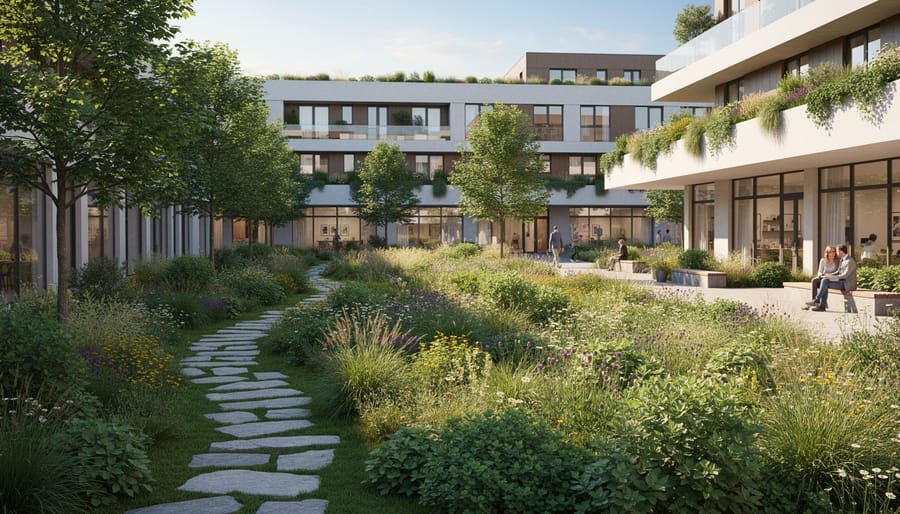
Biodiversity Net Gain, or BNG, is a policy framework that requires development projects to leave the natural environment in a measurably better state than before construction began. Think of it as an environmental accounting system for real estate—one that’s rapidly moving from optional best practice to mandatory compliance.
At its core, BNG mandates that developers deliver at least a 10% improvement in biodiversity compared to the site’s pre-development baseline. This isn’t about planting a few extra trees and calling it a day. The improvement is calculated using standardized biodiversity units, which measure habitat types, quality, and connectivity through a metric system that assigns numerical values to different ecosystems. A mature woodland, for example, scores higher than a mowed lawn.
The United Kingdom pioneered this approach, making BNG mandatory for most developments in England as of February 2024 under the Environment Act 2021. Developers must now demonstrate their 10% gain through detailed habitat assessments before breaking ground. The requirement applies for at least 30 years, meaning long-term habitat management becomes part of the development’s lifecycle.
Beyond the UK, similar frameworks are emerging globally. The European Union’s Nature Restoration Law incorporates biodiversity compensation principles, while parts of Australia and Canada are exploring comparable mechanisms. For real estate professionals, this represents a fundamental shift in how sustainable development strategies are evaluated and financed.
The measurement process involves ecological consultants assessing habitats using the government’s Biodiversity Metric—currently version 4.0 in England—which generates baseline and post-development scores. The difference determines whether you’ve met the 10% threshold. If on-site gains aren’t achievable, developers can purchase biodiversity credits from registered habitat banks or conservation projects, introducing a new tradeable commodity into real estate transactions. This flexibility creates both compliance pathways and financial considerations that savvy developers must now factor into project feasibility studies from day one.

The Real Costs: What Developers and Property Owners Need to Budget
Upfront Assessment and Planning Expenses
Before breaking ground on any development project, you’ll need to establish your biodiversity baseline—and this crucial first step comes with its own price tag. Upfront assessment costs typically range from £5,000 to £25,000 for residential projects, though larger commercial developments can easily exceed £50,000.
The cornerstone expense is the ecological survey, conducted by qualified ecologists who assess existing habitats and species on your site. These professionals don’t come cheap, with daily rates ranging from £400 to £800 depending on expertise and location. Complex sites requiring multiple seasonal surveys will naturally push costs higher.
Next comes the biodiversity metric calculation—the standardized scoring system that determines your net gain requirements. This mathematical assessment translates habitat types and conditions into biodiversity units, establishing how much enhancement you’ll need. Expect to pay £2,000 to £8,000 for this specialized calculation.
Finally, developing your BNG plan involves mapping out exactly how you’ll achieve the mandatory 10% net gain, whether through onsite habitat creation, offsite compensation, or statutory credits. This strategic planning document typically costs £3,000 to £10,000 but serves as your roadmap for compliance and can significantly impact your project’s overall financial structure.
Implementation and Long-Term Maintenance
The 30-year maintenance obligation represents one of the most significant financial commitments in biodiversity net gain compliance, and it’s essential to factor this into your project budgeting from day one. This isn’t a one-time payment scenario. You’re looking at three decades of ongoing habitat management, monitoring, and remediation costs that can substantially impact your property’s financial profile.
Annual monitoring requirements typically involve ecological surveys conducted by qualified professionals every 1-5 years, depending on habitat type and local planning authority stipulations. These surveys ensure your created or enhanced habitats are meeting their biodiversity targets. Budget approximately £2,000-£5,000 per monitoring visit for medium-sized sites, though costs scale with project complexity.
Habitat maintenance itself varies considerably by habitat type. Wildflower meadows might need annual cutting and removal of grass, while woodland requires thinning, invasive species control, and replacement planting. Wetland habitats often demand the most intensive management, including water level monitoring and aquatic vegetation control. Annual maintenance costs typically range from £500 to £3,000 per hectare.
For developers and property investors, this creates a unique financing challenge. Many are establishing conservation trusts or entering into management agreements with specialized environmental organizations to handle long-term obligations. Some are exploring biodiversity insurance products that guarantee funds remain available throughout the 30-year period, protecting against company insolvency or ownership changes. When calculating development feasibility, treat these costs as you would building insurance or service charges, ensuring they’re transparently disclosed to potential buyers and adequately secured through legal mechanisms like conservation covenants.
How BNG Changes Property Financing and Insurance
Lending Considerations and Mortgage Impacts
Lenders are increasingly integrating biodiversity net gain requirements into their credit assessment processes, recognizing that BNG compliance directly affects project viability and long-term asset value. Banks now routinely request detailed BNG plans during loan applications for development projects, examining whether developers have secured appropriate habitat credits and calculated their biodiversity baseline accurately. This scrutiny mirrors the evolution we’ve seen with green building financing, where environmental compliance became a standard lending consideration.
Financial institutions are building BNG compliance into loan covenants, requiring developers to maintain their biodiversity commitments throughout the 30-year monitoring period mandated by regulations. This creates ongoing obligations that affect a property’s marketability and refinancing options. Some lenders offer preferential rates for projects exceeding minimum BNG requirements, viewing them as lower-risk investments with stronger future valuations.
Property valuations are adapting accordingly. Surveyors now assess whether development sites have fulfilled their BNG obligations, as non-compliance can trigger enforcement action and significantly diminish property values. Sites with surplus biodiversity units may actually command premiums, functioning as ecological assets that can be sold to offset-deficient projects.
For borrowers, this means budgeting for BNG costs upfront and demonstrating clear habitat management strategies. Failing to factor these requirements into financial projections can result in loan rejection or unfavorable terms, making early engagement with ecological consultants essential for securing development finance in today’s regulatory environment.
Insurance Products for BNG Compliance
As biodiversity net gain requirements reshape the real estate landscape, a new category of specialized insurance products is emerging to protect developers, landowners, and property investors from BNG-related risks. These innovative policies address the unique challenges of delivering and maintaining ecological enhancements over the required 30-year monitoring period.
BNG delivery insurance covers scenarios where habitat creation projects fail to achieve the targeted biodiversity units within specified timeframes. If your wetland restoration doesn’t attract the expected species diversity or your wildflower meadow underperforms, these policies can cover remediation costs or the expense of purchasing additional biodiversity units from offsetting providers. This protection is particularly valuable for developers working with unfamiliar ecosystems or challenging site conditions.
Long-term management liability insurance addresses perhaps the biggest financial unknown: three decades of ongoing habitat maintenance. These policies protect against unexpected costs arising from habitat degradation, invasive species management, or changes in regulatory requirements that demand additional investment. For property owners holding BNG obligations, this coverage transforms an open-ended liability into a manageable, predictable expense.
Environmental impairment liability policies are also adapting to include BNG-specific coverage, protecting against third-party claims if biodiversity commitments aren’t met. This matters because local authorities can enforce compliance through financial penalties or legal action.
While still evolving, these insurance solutions are becoming essential risk management tools. Premiums typically range from 2-5% of total BNG implementation costs, but they provide crucial peace of mind and financial predictability in an uncertain regulatory environment.
Strategies to Maximize Value While Meeting BNG Requirements
On-Site vs. Off-Site Solutions: Making the Right Choice
When planning your BNG strategy, you’ll face a fundamental decision: enhance biodiversity directly on your development site or purchase biodiversity credits from off-site providers. Each approach carries distinct financial implications and practical considerations that can significantly impact your project timeline and budget.
On-site solutions involve creating or enhancing habitats within your development footprint. This approach typically costs between $15,000 and $50,000 per hectare, depending on the habitat types required. The advantages are compelling: you maintain direct control over implementation, potentially integrate biophilic design principles that enhance property values, and avoid ongoing credit purchase fees. However, on-site solutions demand more intensive project management, require 30-year maintenance commitments that affect your balance sheet, and may not be feasible on smaller or highly urbanized sites.
Off-site solutions through biodiversity credit purchases offer a streamlined alternative. Credits currently range from $8,000 to $25,000 per unit, with prices varying by location and habitat scarcity. This route accelerates project timelines by eliminating on-site habitat creation delays and transfers long-term maintenance obligations to specialized providers. The downside? Less control over outcomes, potential market volatility as demand increases, and missed opportunities to leverage green amenities for marketing advantages.
Financial decision-makers should evaluate site constraints, available capital, risk tolerance, and long-term liability preferences. Properties with adequate space and supportive zoning often benefit from on-site approaches, while constrained urban developments typically find off-site credits more economically viable.
Using BNG as a Marketing Advantage
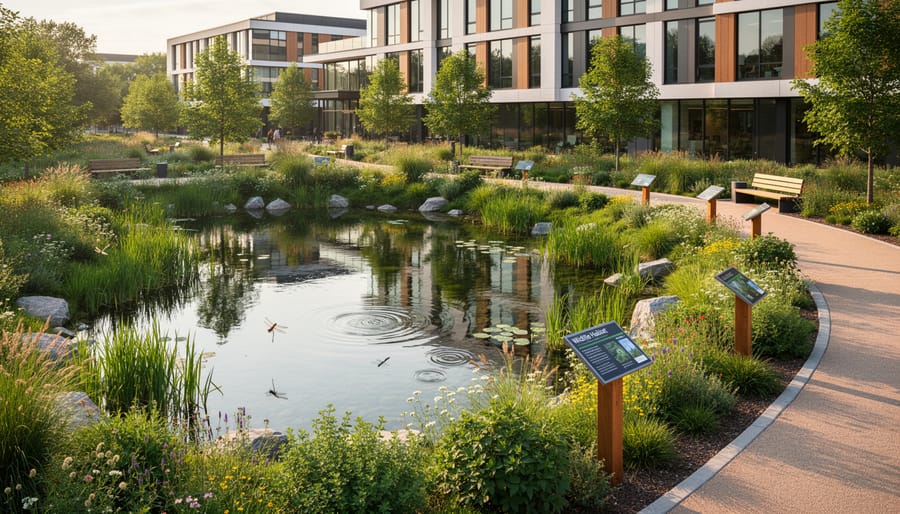
Smart developers and real estate professionals are discovering that biodiversity net gain isn’t just a regulatory checkbox—it’s a powerful marketing tool that resonates with today’s environmentally conscious buyers and tenants. The evidence is clear: properties with demonstrated environmental credentials consistently outperform conventional developments in both market appeal and pricing potential.
When positioning BNG-compliant projects, focus on tangible benefits rather than technical compliance language. Prospective buyers want to know how living in a development with enhanced green spaces, wildlife corridors, and native plantings will improve their quality of life. Emphasize features like improved air quality, reduced noise pollution, access to natural areas for recreation, and the psychological benefits of connection to nature. These concrete advantages translate more effectively than abstract sustainability metrics.
Premium pricing strategies become viable when you can demonstrate measurable value. Studies show that developments incorporating meaningful environmental features boost value by 5-15% compared to standard builds. Create marketing materials that showcase your BNG commitments through compelling visuals, biodiversity assessments, and long-term management plans. Consider obtaining third-party certifications that validate your environmental claims and provide independent credibility.
For commercial properties, BNG compliance increasingly matters to corporate tenants facing their own sustainability reporting requirements. Companies seeking office or retail space often have environmental, social, and governance (ESG) targets that your BNG-compliant development can help them achieve. Position your property as a solution to their sustainability challenges, not just a space to occupy.
Documentation matters too. Maintain transparent records of your biodiversity enhancements and share progress reports with stakeholders. This ongoing commitment demonstrates authenticity and builds trust with environmentally motivated buyers who are rightfully skeptical of greenwashing.
Avoiding Costly BNG Mistakes: Red Flags and Pitfalls
Navigating Biodiversity Net Gain requirements successfully means recognizing potential problems before they derail your timeline or budget. The most expensive mistake developers make is treating BNG as an afterthought. When you wait until late in the planning process to conduct habitat assessments, you’ll often discover baseline biodiversity values are higher than anticipated, requiring more extensive offsetting that can cost tens of thousands of pounds more than early planning would have.
A major red flag is selecting a site without understanding its existing ecological value. Properties with protected species, ancient woodlands, or priority habitats create significant compliance hurdles. Before making any land acquisition, commission a preliminary ecological appraisal. Discovering rare newts or nesting birds after purchase can transform a straightforward development into a regulatory nightmare involving expensive mitigation measures and substantial delays.
Another common pitfall involves relying on off-site habitat credits without securing them early. The market for biodiversity units is still developing, and availability fluctuates by region. Developers who assume they can simply purchase credits at project completion often face supply shortages or inflated prices. Lock in your credit agreements during the planning phase to control costs and ensure availability.
Watch for inadequate monitoring arrangements in your BNG management plan. Regulatory bodies require 30-year habitat maintenance commitments, meaning insufficient funding reserves create future liability risks. This affects property values and can complicate sales or refinancing. Factor these long-term obligations into your financial projections from day one.
Finally, beware of consultants who promise unrealistically low BNG requirements or quick approvals. Professional ecological assessments take time, and cutting corners leads to rejected applications and costly resubmissions. Work with qualified ecologists holding relevant professional memberships, and budget realistic timeframes of 12-18 months for complex projects. The upfront investment in quality expertise prevents far more expensive problems later.
Biodiversity net-gain represents more than just another regulatory checkbox for real estate professionals—it’s a fundamental shift in how we approach property development and valuation. The financial reality is clear: BNG compliance costs between 2-5% of total project budgets, but these investments deliver measurable returns through enhanced property values, reduced planning delays, and improved access to green financing options. Early adopters are already discovering that strategic BNG planning transforms what appears to be a compliance burden into a genuine competitive advantage in an increasingly environmentally conscious market.
As governments worldwide tighten environmental standards, BNG policies will only expand in scope and stringency. Properties with established biodiversity features and documented habitat gains will command premium pricing, while developments lacking environmental credentials may face financing challenges and market resistance. The trajectory is unmistakable: preparing for future environmental requirements today positions your portfolio for long-term success. Smart developers and investors are integrating BNG strategies now, understanding that environmental stewardship and financial performance aren’t competing priorities—they’re complementary paths to sustainable profitability in modern real estate markets.