
For Canadian and international investors seeking diversification beyond North American real estate, Tokyo has quietly moved to the top of the shortlist. As we move through 2026, interest in a Tokyo condo for sale is no longer driven by speculation alone, but by structural factors: constrained supply, sustained population inflows, transparent ownership laws, and a currency environment that continues to favour overseas buyers.
While markets such as Toronto, Vancouver, and New York face affordability ceilings and regulatory uncertainty, Tokyo offers a contrasting profile—moderate leverage, predictable rules, and long-term urban demand. For investors evaluating where to deploy capital next, understanding how and why Tokyo’s condominium market works is essential.
Why Tokyo’s Condo Market Has Gained Global Attention
Tokyo is often misunderstood by foreign buyers. Despite being one of the world’s largest cities, its real estate market behaves very differently from other global capitals. Rather than boom-and-bust cycles, Tokyo tends to experience steady price movement supported by fundamentals.
Several forces are converging in 2026:
- Persistent housing undersupply in central wards
- Continued domestic migration into Tokyo for employment and education
- Strong overseas demand, particularly in prime neighbourhoods
- A weak yen, improving relative affordability for foreign currency holders
Together, these conditions have shifted Tokyo from a niche overseas play into a serious allocation consideration for globally diversified portfolios.
Price Momentum Without Speculation
Condominium prices across Tokyo have continued to rise at a measured but consistent pace. Industry reports indicate high single-digit annual growth across the metropolitan area, with stronger performance in central wards. Importantly, this appreciation is largely driven by end-user demand and limited supply rather than short-term speculation.
New condominium launches remain constrained due to construction capacity limits and rising development costs. As a result, resale inventory has tightened, particularly for well-located, professionally managed buildings near major transport hubs.
For investors assessing a Tokyo condo for sale, this environment matters: price growth is being supported by scarcity, not excess leverage or aggressive investor flipping.
Location Matters More Than Ever
Tokyo’s 23 wards are not a single market. Pricing, yields, and liquidity vary significantly by location.
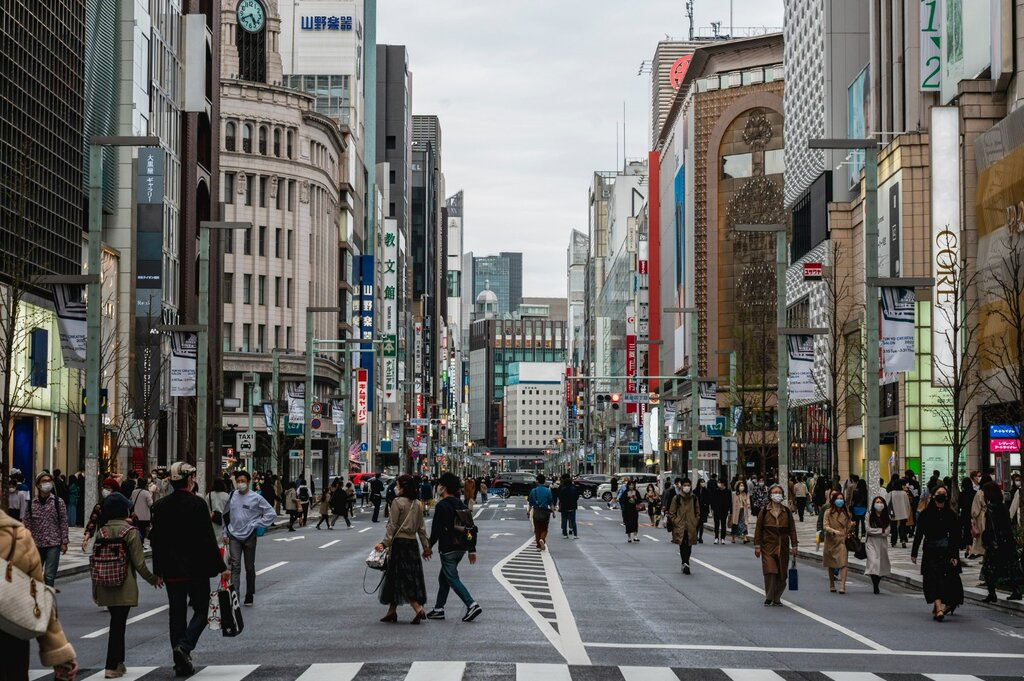
Central Wards (Minato, Chiyoda, Shibuya)
These districts attract both international buyers and domestic executives. Prices are highest, yields tend to be lower, but long-term demand and resale liquidity remain strong. Large-scale redevelopment projects continue to enhance these areas’ appeal.
Mid-Ring Wards (Nakano, Suginami, Meguro)
Popular with professionals and families, these neighbourhoods balance accessibility and relative affordability. Investors often find more attractive rental yields here while maintaining strong tenant demand.
Outer Wards
Prices are lower, but investment outcomes depend heavily on transport access and demographic trends. These areas require more careful due diligence and a longer time horizon.
Rather than asking whether Tokyo is expensive, investors are increasingly asking where value aligns with their objectives.
The Currency Factor: A Window for Overseas Buyers
One of the most decisive factors for foreign investors is currency. The Japanese yen remains historically weak against the Canadian dollar and U.S. dollar, effectively lowering entry prices for overseas buyers.
For Canadian investors in particular, this creates two strategic advantages:
- Lower acquisition costs when converting CAD into yen
- Potential currency upside if the yen strengthens over a long holding period
While rental income is yen-denominated, many investors view Tokyo property as a hedge—balancing currency exposure alongside real asset ownership in a stable economy.
Can Foreigners Buy Condos in Japan?
Yes—and this is one of Japan’s most underappreciated advantages.
Japan imposes no restrictions on foreign property ownership. Non-residents can purchase freehold condominium units with the same legal rights as Japanese citizens, including registered land ownership.
There are no requirements for citizenship, residency, or visas to own property. This clarity and legal transparency make Japan notably more accessible than many other developed markets.
The practical process, however, still requires local expertise.
How the Purchase Process Works
Buying a Tokyo condo typically involves:
- Working with a bilingual real estate agent
- Reviewing building management records and reserve funds
- Conducting property inspections
- Executing contracts under Japanese law
Due to tight inventory, many high-quality properties are sold quietly before public listing. Experienced local professionals play a key role in identifying suitable opportunities and managing the transaction efficiently.
For overseas buyers evaluating a Tokyo condo for sale working with Tokyo-based specialists who regularly assist international clients can help clarify legal requirements, building management structures, and transaction timelines.
Financing Realities for International Investors
Financing is often the biggest adjustment for foreign buyers.
Most Japanese banks prefer permanent residency for standard mortgages, meaning many non-resident investors purchase with cash or arrange financing outside Japan. Some regional lenders and overseas banks offer Japan-focused mortgage products, typically requiring higher down payments.
Interest rates in Japan have risen modestly as monetary policy normalizes, but they remain low by global standards. For investors using leverage, conservative assumptions are essential, particularly as rates are expected to continue gradually increasing.
For many buyers, limited access to leverage is seen less as a drawback and more as a stabilizing force—reducing speculative pressure and supporting long-term market health.
Rental Demand and Investment Performance
Tokyo’s rental market remains one of the strongest in Asia. Vacancy rates are low, supported by:
- Continued population inflows
- High urban employment concentration
- Cultural preference for renting among younger professionals
Gross rental yields vary by location. Prime central wards tend to offer lower yields due to higher acquisition costs, while mid-tier areas often deliver more balanced income returns.
Beyond yield, investors focus on liquidity and durability—the ability to rent consistently and exit efficiently when needed.
Taxes and Ongoing Costs
Foreign owners should factor in:
- Acquisition taxes and registration fees at purchase
- Annual fixed asset and municipal taxes
- Income tax on rental earnings, subject to treaty relief
While Japan’s tax system is structured and predictable, professional advice is strongly recommended to ensure compliance and optimize cross-border tax treatment.
Key Risks to Evaluate
No market is risk-free. Investors should consider:
- Currency movement impacting returns when converted back to home currency
- Interest rate changes affecting leveraged purchases
- Building management quality, including long-term repair planning
- Natural disaster exposure, mitigated by modern construction standards and insurance
Prudent due diligence significantly reduces these risks.
Is a Tokyo Condo the Right Fit?
A Tokyo condo for sale is not a short-term trade. It suits investors who value:
- Capital preservation alongside growth
- Transparent ownership laws
- Stable, long-term urban demand
- Geographic and currency diversification
For Canadian and global investors looking beyond overheated domestic markets, Tokyo offers a compelling alternative—provided the investment is approached with patience, research, and local expertise.
Looking Ahead
As global real estate markets recalibrate, Tokyo continues to stand out for its balance of stability and opportunity. With limited supply, sustained demand, and a regulatory environment welcoming to foreign ownership, many investors view 2026 as a strategic entry point rather than a late-stage peak.
For those evaluating international real estate as part of a diversified portfolio, Tokyo’s condominium market deserves serious consideration—not as a speculative bet, but as a long-term allocation grounded in fundamentals.
Disclaimer: This article is for informational purposes only and does not constitute financial, legal, or investment advice. Prospective investors should conduct their own due diligence and consult with qualified professionals before making real estate investment decisions.