
The collision of artificial intelligence, blockchain, IoT sensors, and drone technology with traditional real estate is fundamentally reshaping property operations—and creating an entirely new landscape of insurance considerations that most property stakeholders haven’t yet addressed. Smart buildings now monitor everything from structural integrity to occupant behavior, virtual reality platforms facilitate remote property transactions worth millions, and autonomous systems manage security and maintenance without human oversight. These innovations promise efficiency gains of 30-40% and cost reductions that transform profit margins, but they simultaneously introduce cyber vulnerabilities, equipment failures, and liability exposures that standard property policies never anticipated.
The gap between technological adoption and insurance protection is widening dangerously. A 2023 industry analysis revealed that 68% of commercial properties now employ at least one emerging technology, yet fewer than 22% carry specialized coverage addressing the unique risks these systems create. When a cyberattack disables a smart building’s HVAC system, when drone footage inadvertently captures protected information, or when AI-driven tenant screening algorithms face discrimination claims, traditional insurance policies often provide zero protection. Property professionals who embrace innovation without reassessing their coverage expose themselves to potentially catastrophic financial consequences.
Understanding which technologies demand specialized insurance solutions, identifying the precise coverage gaps in existing policies, and implementing cost-effective protection strategies has become essential for any real estate stakeholder operating in today’s tech-enabled environment.
The Technology Revolution Transforming Real Estate Today
Smart Building Systems and IoT Integration
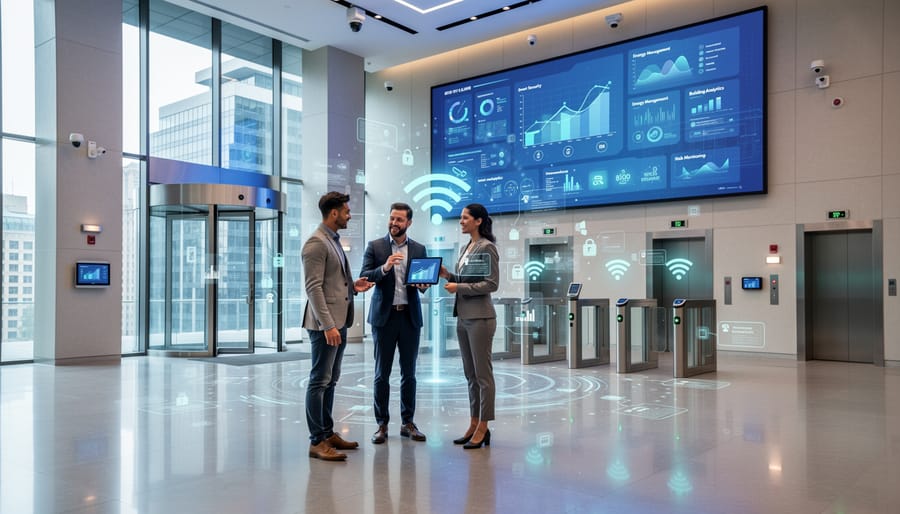
Modern properties are rapidly transforming into intelligent ecosystems where interconnected devices communicate seamlessly to enhance comfort, security, and efficiency. Smart building systems have evolved from luxury amenities to standard expectations, fundamentally changing how properties operate and what insurance considerations come into play.
At the heart of these systems are smart thermostats that learn occupancy patterns and adjust temperatures automatically, potentially reducing energy costs by 10-23% according to industry data. Connected security systems now offer real-time monitoring through mobile devices, facial recognition capabilities, and instant alerts for unusual activity. These technologies don’t just add convenience—they’re creating new data points that insurers increasingly value when assessing risk profiles.
Predictive maintenance tools represent perhaps the most significant advancement for property protection. Sensors can detect water leaks before they cause major damage, monitor HVAC system performance to prevent failures, and identify electrical issues that might otherwise go unnoticed. For property owners, this means fewer catastrophic claims and potentially lower premiums. However, the insurance landscape must adapt too—traditional policies may not adequately cover cybersecurity breaches affecting smart systems or data privacy concerns. Understanding how these connected technologies impact both property value and insurance requirements is essential for anyone investing in modern real estate, as the line between physical and digital property protection continues to blur.
PropTech Platforms and Digital Transactions
The digital transformation of real estate is revolutionizing how properties are bought, sold, and managed. Virtual reality (VR) tours have become mainstream, allowing potential buyers to explore properties remotely, saving time and expanding market reach beyond geographical boundaries. These immersive experiences reduce unnecessary site visits while providing realistic property previews that help buyers make more informed decisions.
Digital closing platforms are streamlining what was once a paper-intensive process. E-signatures, cloud-based document management, and remote online notarization now enable transactions to close faster and more efficiently. However, these conveniences introduce new risks around data security and digital fraud that require updated insurance tech solutions to address cyber liability and errors in digital processing.
Blockchain-based transactions are bringing unprecedented transparency and security to property deals. Smart contracts automatically execute terms when conditions are met, reducing intermediary costs and minimizing disputes. This technology creates immutable transaction records, which can significantly impact title insurance and fraud prevention.
AI-powered property management systems are transforming how buildings operate. These platforms predict maintenance needs, optimize energy consumption, and enhance tenant experiences through automated responses and personalized services. While improving operational efficiency, property managers must consider how these systems affect their liability coverage, particularly regarding data privacy, system failures, and automated decision-making errors that could lead to discrimination claims or service disruptions.

Why Traditional Insurance Policies Fall Short for Tech-Enhanced Properties
Coverage Gaps You Can’t Afford to Ignore
As smart home technology becomes standard in modern properties, many real estate investors and homeowners discover their traditional policies leave them vulnerable. Here are the critical coverage gaps demanding your attention:
Cyber liability for smart systems represents perhaps the most overlooked risk. When hackers breach your smart locks, thermostats, or security cameras, standard homeowner policies typically don’t cover the resulting losses. Imagine tenants locked out due to a ransomware attack on your building’s access system—you’re facing emergency locksmith bills, temporary housing costs, and potential liability claims, all from your own pocket.
Data breach exposure is equally concerning for property managers handling tenant information through digital platforms. A single breach compromising social security numbers, banking details, or lease agreements can trigger notification requirements and legal liabilities costing thousands per affected resident. Traditional policies weren’t designed for this digital reality.
Technology failure losses extend beyond hacking. When your automated HVAC management system malfunctions and causes property damage, or when power surges fry your integrated building controls, the replacement costs and business interruption aren’t always covered. These systems can cost $10,000 to $100,000 to replace, depending on property size.
Equipment obsolescence creates another financial trap. Today’s cutting-edge smart home hub might become incompatible with newer systems in just three years, forcing costly upgrades that standard replacement cost coverage won’t address. Recognizing these gaps is your first step toward comprehensive protection in the connected property era.
The Cost of Being Underinsured in a Smart Property
The financial consequences of inadequate coverage for smart properties can be devastating. Consider a recent case from San Diego, where a homeowner’s $85,000 smart home system was damaged by a power surge. Their standard policy covered only $2,500 for electronics, leaving them with a $82,500 out-of-pocket expense. This scenario plays out more frequently than most property owners realize.
Traditional homeowners insurance typically caps coverage for electronic equipment between $1,000 and $2,500. When you factor in smart HVAC systems, integrated security networks, automated lighting, and centralized control hubs, tech-forward properties often house $50,000 to $150,000 worth of connected devices. The coverage gap becomes glaringly obvious.
Data breaches present another hidden cost. A Chicago property management firm discovered this when hackers accessed their smart building system, compromising tenant data and demanding ransom. The incident cost $340,000 in legal fees, notification expenses, and settlements. Their commercial policy excluded cyber-related losses entirely.
System obsolescence adds complexity. After a fire damaged a home’s five-year-old smart infrastructure, the insurance payout covered replacement cost based on original value. However, the discontinued system required complete replacement with updated technology, costing 40 percent more than the settlement amount.
Water damage from malfunctioning smart irrigation systems, liability claims from security camera footage controversies, and business interruption losses from failed building automation systems represent growing exposure areas. Without specialized coverage addressing these technology-specific risks, property owners face substantial financial vulnerability that threatens their investment returns and long-term property value.
Insurance Solutions Built for Tomorrow’s Real Estate
Cyber Liability Coverage for Connected Buildings
As connected buildings become mainstream, property owners face unprecedented digital vulnerabilities. Smart thermostats, automated security systems, and IoT-enabled infrastructure create multiple entry points for hackers. When these systems fail or become compromised, the financial fallout can be substantial—from frozen HVAC systems in winter to disabled access controls exposing properties to theft.
Standard property insurance policies weren’t designed for cybersecurity threats in smart buildings. That’s where specialized cyber liability coverage steps in. These policies typically protect against three critical areas: first-party losses including system restoration costs and business interruption; third-party liability when tenant or visitor data gets breached; and regulatory expenses if privacy violations trigger government investigations.
Coverage options vary widely. Basic policies might cover $100,000 in incident response costs, while comprehensive plans extend to multi-million dollar limits including forensic investigations, legal defense, notification expenses, and credit monitoring for affected parties. Premium costs depend on building size, connected device count, and existing security protocols.
Real estate professionals should prioritize policies offering proactive risk assessments and 24/7 breach response teams. Many insurers now bundle cyber coverage with technology consultations, helping identify vulnerabilities before hackers do. This preventative approach not only reduces claims but often qualifies properties for premium discounts of 15-25 percent.
Equipment Breakdown and Technology Failure Protection
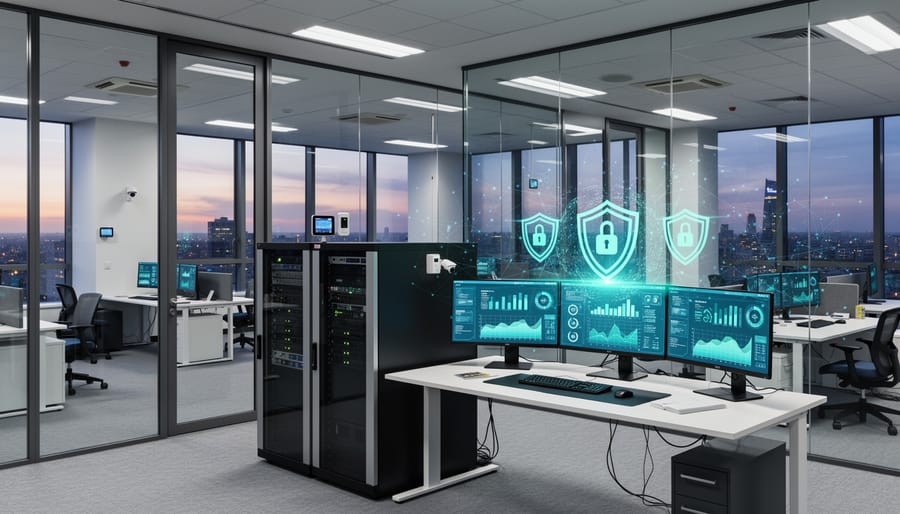
As smart building systems become more sophisticated, they also become more vulnerable to unexpected failures that can disrupt operations and create significant financial losses. Equipment breakdown insurance has evolved to address these modern risks, covering malfunctions in automated HVAC controls, intelligent security systems, and comprehensive building management platforms that traditional policies might exclude.
When your smart thermostat system fails and causes temperature fluctuations that damage inventory or make spaces uninhabitable, or when your automated access control system malfunctions and requires emergency replacement, specialized equipment breakdown coverage steps in to handle repair costs, equipment replacement, and even business interruption losses. These policies typically cover both the physical damage to the technology itself and the consequential losses from system downtime.
For property owners investing in building automation, this coverage addresses a critical gap. Standard property insurance often excludes mechanical and electrical breakdowns, leaving you exposed when a power surge fries your building’s central management system or when software glitches cause your automated systems to fail. Modern equipment breakdown policies now recognize that technology failures aren’t just about hardware—they cover software malfunctions, data corruption, and even cyber-physical attacks that compromise your building’s operational technology. This protection ensures your investment in smart building infrastructure doesn’t become a liability when systems inevitably experience technical difficulties.
Errors and Omissions Coverage for PropTech Transactions
As digital platforms revolutionize how properties change hands, traditional errors and omissions insurance hasn’t quite caught up with the technology. PropTech transactions—whether conducted through virtual closing services, blockchain-based transfers, or digital transaction platforms—introduce unique vulnerabilities that standard E&O policies often don’t adequately address.
The challenge? When a digital closing platform experiences a data breach or a smart contract contains a coding error that derails a property transfer, determining liability becomes complicated. Specialized E&O coverage for PropTech transactions now protects real estate professionals against claims arising from technology failures, cybersecurity incidents, and digital documentation errors that occur during tech-enabled transactions.
These policies typically cover professional negligence claims related to virtual notarization services, electronic signature platforms, and blockchain recording errors. They also address the “what if” scenarios that keep agents up at night—like when a digital platform crashes mid-transaction or when cryptocurrency payment protocols malfunction during a property purchase.
For real estate professionals embracing these innovations, securing PropTech-specific E&O coverage isn’t optional anymore. The cost typically ranges from $800 to $2,500 annually, depending on transaction volume and technology platforms used. This targeted protection ensures you’re covered when traditional policies fall short, letting you confidently adopt cutting-edge transaction methods without exposing yourself to uninsured liability gaps.
Risk Mitigation Strategies That Lower Your Premiums
Security Protocols That Insurance Providers Reward
Insurance providers are increasingly offering premium discounts to property owners who implement robust security protocols around their emerging technologies. Understanding which measures qualify for these savings can help you protect both your property and your wallet.
Multi-factor authentication systems top the list of rewarded protocols. Insurers recognize that requiring multiple verification steps before granting system access significantly reduces unauthorized entry risks. Properties with MFA-protected smart home integration platforms often qualify for 5-10% premium reductions.
Regular software update schedules also earn recognition from insurance providers. Properties that demonstrate quarterly security patches and firmware updates for connected devices show proactive risk management. Many insurers now request documentation of these maintenance schedules during policy reviews, with compliant properties receiving favorable rate adjustments.
System redundancy measures provide another avenue for discounts. Backup power supplies for security systems, redundant internet connections for monitoring equipment, and cloud-based data backups demonstrate business continuity planning. These safeguards can reduce premiums by 8-15%, particularly for commercial properties or high-value residences.
Encrypted network communications between devices represent a critical security layer that insurers reward. Properties using VPN connections, secure routers with WPA3 encryption, and segregated networks for IoT devices demonstrate sophisticated cybersecurity awareness. These measures often qualify for specialized tech-forward insurance products with enhanced coverage terms and competitive pricing.
Documentation is key. Maintain detailed records of security implementations, update logs, and professional installation certificates to maximize your discount eligibility during policy negotiations.

Documentation and Vendor Management Best Practices
When it comes to emerging real estate technologies, your insurance coverage is only as strong as the paper trail behind it. Think of proper documentation as your first line of defense when filing a claim or negotiating premiums.
Start with thorough vendor vetting before installing any smart home system, building automation platform, or PropTech solution. Request proof of the vendor’s liability insurance, certifications, and compliance with industry standards. Insurance carriers increasingly reward property owners who work with certified installers and established technology providers, sometimes reducing premiums by 10-15%.
Maintain meticulous records of all installation dates, warranties, software updates, and maintenance schedules. These documents prove you’ve exercised reasonable care in protecting your investment, which becomes crucial if equipment fails or causes property damage. Many insurers now require proof of regular maintenance for IoT devices and smart building systems as a condition of coverage.
Create a centralized digital repository for all technology-related documentation, including user manuals, service contracts, and upgrade histories. This organizational approach speeds up claims processing and demonstrates professional property management practices that insurers favor.
Don’t overlook cybersecurity documentation either. Keep records of security audits, password changes, and software patches for connected devices. Some carriers offer coverage discounts up to 20% for properties with documented cybersecurity protocols.
Finally, establish direct communication channels with your technology vendors and insurance provider. When everyone understands the systems in place and their maintenance requirements, you’ll avoid coverage disputes and potentially negotiate better terms based on your risk management commitment.
Choosing the Right Insurance Partner for Tech-Forward Properties
Questions to Ask Before Signing Any Policy
Before signing any insurance policy for your tech-enabled property, you need to ask the right questions to ensure comprehensive protection. Start with coverage limits: What’s the maximum payout for technology-related damages? Standard policies often cap payouts at levels that don’t reflect the true replacement cost of smart home systems, which can easily exceed $50,000 in high-end properties.
Next, dig into exclusions. Which specific technologies or scenarios aren’t covered? Many policies exclude cyber incidents, software malfunctions, or damages from firmware updates gone wrong. If your property relies heavily on cloud-based systems or IoT devices, these exclusions could leave you vulnerable to significant financial losses.
Understanding the claim process is equally critical. How quickly can you file a technology-related claim, and what documentation is required? Some insurers require immediate notification of cyber incidents within 24-48 hours, while others allow more flexibility. Ask whether you need third-party forensic reports to validate tech-related damages, as these can add time and cost to your claim.
Technology-specific provisions deserve special attention. Does the policy cover data breaches affecting tenant information? What about liability if a smart device malfunction causes injury or property damage? Is there coverage for business interruption if your property management systems go offline?
Don’t overlook the fine print on depreciation schedules for technology assets. Smart devices depreciate faster than traditional property components, so replacement cost coverage beats actual cash value policies every time.
Finally, clarify update and maintenance requirements. Some policies mandate regular software updates and security patches as a coverage condition. Missing these requirements could void your entire claim, making this question potentially the most important one you’ll ask.
As real estate continues its digital transformation, the gap between technological innovation and insurance protection creates unnecessary vulnerability for property owners and professionals. The rapid adoption of smart home systems, blockchain transactions, IoT devices, and PropTech platforms fundamentally changes the risk landscape, making traditional coverage increasingly inadequate. Forward-thinking real estate stakeholders recognize that proper insurance isn’t merely about compliance or risk management—it’s a strategic competitive advantage that enables confident adoption of efficiency-boosting technologies.
The key takeaway is clear: proactive protection requires regular policy reviews, specialized endorsements for emerging tech, and partnerships with insurers who understand the evolving digital real estate ecosystem. Those who align their coverage with technological advancement protect their investments while positioning themselves ahead of competitors still operating with outdated protection strategies. In this rapidly changing industry, the question isn’t whether to update your insurance approach, but how quickly you can adapt to safeguard your technological investments and maintain your competitive edge.