
Your home security system could be costing you hundreds of dollars annually in increased insurance premiums, even when it’s doing exactly what it’s designed to do. False alarms trigger a little-known insurance mechanism called hazard premium adjustments, where repeated security system activations signal elevated risk to insurers, resulting in premium increases of 10-25% or more.
The financial stakes are substantial. A homeowner with a $2,000 annual premium facing a 20% increase pays an extra $400 yearly, money that accumulates over time while your coverage remains unchanged. This penalty persists even when false alarms result from system malfunctions, user error, or environmental factors like pets or weather conditions rather than actual security threats.
Understanding hazard premium insurance requires recognizing how insurers assess risk differently than homeowners do. While you view your security system as protection that should lower premiums, insurers see frequent alarm activations as indicators of potential claims activity, whether from actual break-ins or the operational complications false alarms represent. Each dispatch of emergency services creates a data point in your property’s risk profile, influencing underwriting decisions at renewal time.
The challenge intensifies because most homeowners remain unaware of this dynamic until they receive renewal notices with unexplained rate increases. By then, the pattern is established in insurance databases, making it difficult to reverse without demonstrating sustained improvement. Proactive management of your security system’s performance isn’t just about avoiding fines from local authorities; it’s a critical insurance cost-control strategy that protects your long-term financial position.
What Is a Hazard Premium in Home Security Insurance?

How Insurance Companies Calculate Your Security Risk Profile
Insurance companies employ sophisticated risk assessment models to determine your security risk profile, which directly impacts your premiums. Understanding these factors can help you make informed decisions when choosing home insurance and installing security systems.
False alarm frequency stands at the top of the evaluation criteria. Insurers track how often your system triggers unnecessary dispatch calls, typically reviewing a 12 to 24-month history. Properties generating more than two false alarms annually often face scrutiny, as each false dispatch can cost municipalities between $50 and $300. Some carriers implement a three-strike policy before applying premium surcharges.
Response patterns reveal crucial insights about system effectiveness. Insurers analyze how quickly you or your monitoring service responds to alerts, how often police are dispatched unnecessarily, and whether follow-up protocols are properly executed. A strong response pattern demonstrates responsible system management and reduces liability concerns.
System reliability encompasses both equipment quality and maintenance records. Insurance adjusters evaluate whether you have professional monitoring versus self-monitoring, the age and certification of your equipment, and your maintenance schedule. UL-certified systems with professional monitoring typically receive more favorable risk assessments than DIY installations.
Additional factors include your property’s claim history, neighborhood crime statistics, and whether your system integrates with smart home technology that provides real-time verification. Properties with video verification capabilities that can confirm actual threats before dispatch often receive premium discounts of 5 to 15 percent.
Geographic considerations also matter. High-crime areas may face stricter evaluation standards, while properties in gated communities or low-crime neighborhoods might receive more lenient assessments. Ultimately, demonstrating consistent, responsible security system management positions you favorably in insurers’ risk calculations.
The Direct Link Between False Alarms and Premium Increases
Insurance companies track false alarm incidents closely, and the relationship between these events and your premiums is more direct than many homeowners realize. When your security system triggers multiple false alarms requiring emergency response, insurers view this as increased risk exposure, which translates into higher costs for everyone involved.
Here’s how the mechanism typically works: Most insurers establish a threshold of three to five false alarms within a 12-month period before taking action. Once you cross this line, you’ll likely see adjustments in your insurance premium calculations at your next renewal. The increases aren’t trivial either. Industry data shows that homeowners can expect premium hikes ranging from 10% to 25% for first-time offenders, with repeat violations pushing increases as high as 50% in some markets.
The rationale behind these increases stems from two key factors. First, false alarms strain municipal emergency services, often resulting in fines that your insurer may need to cover or that impact your overall risk profile. Second, properties with frequent false alarms statistically receive delayed response times during actual emergencies, potentially increasing claim severity when real incidents occur.
What makes this particularly challenging for homeowners is the cumulative effect. Each false alarm remains on your record for 12 to 36 months, depending on your insurer’s policy. This means a string of incidents can create a compounding problem where you’re paying elevated premiums for years after resolving the underlying issue. Additionally, some carriers may decline to renew policies altogether after excessive false alarms, forcing homeowners into the high-risk insurance market where premiums are substantially higher and coverage options more limited.
The True Cost of False Alarms Beyond Municipal Fines
Municipal Penalties vs. Insurance Premium Impacts
When your alarm system triggers a false dispatch, you’re facing a two-pronged financial hit that many homeowners don’t fully anticipate. Let’s break down the real numbers.
Municipal fines typically start modest but escalate quickly. Most cities offer one or two free false alarms annually, then impose penalties ranging from $50 to $100 for the third offense. By your fifth false alarm, you could face fines between $250 and $500. In some jurisdictions like Los Angeles, chronic offenders pay upwards of $1,000 per incident. While these one-time costs sting, they’re just the opening act.
The insurance premium impact delivers the lasting financial burden. When insurers learn about repeated false alarms, they may increase your hazard premium by 10 to 20 percent annually. Consider this real-world scenario: A homeowner with a $1,500 annual premium experiencing a 15 percent increase pays an extra $225 that first year. But here’s the kicker – that elevated rate typically persists for three to five years, meaning you’re looking at $675 to $1,125 in additional costs from a single pattern of false alarms.
Compare that to paying $300 in city fines over the same period. The insurance impact quadruples your actual financial exposure. Some insurers even classify properties with excessive false alarms as higher-risk, which can complicate future coverage applications or policy renewals. The municipal penalty might grab your attention initially, but the insurance consequences quietly drain your wallet for years to come.
How Your Claims History Follows You
Your false alarm history doesn’t simply disappear once you’ve paid the fines or premium increases. These records create a digital trail that follows you through various property-related transactions, often in ways you might not expect.
Insurance companies share claims and incident data through comprehensive databases like the Comprehensive Loss Underwriting Exchange (CLUE). When you apply for new homeowners insurance or switch providers, your false alarm history becomes part of your risk profile. Multiple false alarms within a five-year window can label you as a high-risk applicant, resulting in higher quotes or even coverage denials from certain insurers. This makes shopping for competitive rates significantly more challenging.
The impact extends beyond insurance applications. During home sales, many buyers request CLUE reports as part of their due diligence process. A property with an extensive false alarm history may raise red flags about security system reliability or maintenance issues, potentially affecting buyer confidence and negotiation leverage. Some buyers may request seller concessions or price reductions to offset perceived risks.
Refinancing presents similar challenges. Lenders typically require proof of adequate insurance coverage, and your false alarm record could complicate this process. If your history limits your insurance options or drives up premiums substantially, you might face higher overall borrowing costs or additional documentation requirements.
The good news is that most alarm-related incidents age out of reporting systems after five to seven years, giving you a fresh start. Meanwhile, maintaining a clean record going forward becomes essential for protecting your financial flexibility in future property transactions.
What Triggers False Alarms and How to Prevent Them

User Error and System Training Gaps
Even the most sophisticated security system is only as reliable as the people operating it. Human error remains one of the leading causes of false alarms, and it’s something insurance companies track closely when calculating your hazard premium.
The most common culprits? Forgotten passcodes top the list. Homeowners who’ve recently changed their code or haven’t used their system in a while often trigger false alarms when they can’t remember the correct sequence. Similarly, improper arming and disarming techniques cause countless unnecessary dispatches. Rushing out the door and forgetting to close a window or accidentally opening a secured door before fully disarming the system are remarkably common scenarios.
Here’s where things get interesting for households with multiple occupants. If you haven’t properly trained everyone who has access to your home, including teenage children, elderly parents, or household staff, you’re creating a recipe for repeated false alarms. Each person needs to understand not just how to operate the system, but also the financial implications of mistakes.
The solution? Invest time in comprehensive household training. Schedule a refresher course with your security provider annually, create easy-to-follow instruction sheets near keypads, and establish clear protocols for guests. Consider user-friendly features like smartphone app controls that eliminate passcode confusion altogether. Remember, preventing user error protects both your home security effectiveness and your insurance premiums.
Equipment Issues and Maintenance Requirements
Many false alarms stem from preventable equipment issues rather than actual emergencies. Outdated sensors are a primary culprit, as older technology often struggles to differentiate between genuine threats and harmless events. If your security system is more than five years old, it’s worth consulting with your provider about updating to modern equipment with improved detection algorithms.
Low battery warnings deserve immediate attention. When backup batteries weaken, sensors can malfunction and trigger false alarms unpredictably. Set calendar reminders to check and replace batteries at least annually, even before your system alerts you.
Poor installation creates ongoing problems that homeowners often overlook. Sensors placed too close to air vents, heating sources, or high-traffic areas generate frequent false readings. Motion detectors aimed at windows may react to passing cars or tree branches swaying in the wind.
Environmental factors also play a significant role. Temperature fluctuations can affect sensor sensitivity, while dust accumulation interferes with smoke detectors. Regular professional maintenance, typically recommended twice yearly, helps identify these issues before they trigger false alarms. Most security companies offer maintenance plans that include sensor testing, cleaning, and calibration. While there’s an upfront cost, this preventive approach ultimately protects you from escalating hazard insurance premiums and potential municipal fines.
Smart Home Integration Challenges
While smart home security systems promise enhanced protection, they ironically introduce new false alarm complications that can impact your hazard premium insurance. IoT devices from different manufacturers often struggle to communicate effectively, creating what industry professionals call “protocol conflicts.” When your smart doorbell, motion sensors, and security cameras operate on incompatible platforms, the resulting confusion can trigger unnecessary emergency responses.
Connectivity dropouts present another frustrating challenge. A momentary Wi-Fi interruption might cause your system to interpret lost sensor signals as a breach, dispatching authorities when you’re simply experiencing internet hiccups. These technical glitches are particularly problematic during storms or power fluctuations, the exact moments when legitimate emergencies are more likely.
Automation routines add complexity too. Overlapping schedules between different smart devices can create unexpected interactions. For instance, a scheduled thermostat adjustment might trigger a motion sensor that wasn’t properly configured for the automation, resulting in a false alarm. Insurance carriers are increasingly scrutinizing claims histories that show patterns of technology-related false alarms, potentially classifying them differently than human error incidents when calculating your premiums.
Strategies to Protect Your Insurance Premiums
Choosing the Right Security System for Your Lifestyle
Selecting the right security system isn’t just about protecting your property—it’s about choosing technology that works with your lifestyle while keeping hazard insurance premiums in check. The wrong system can trigger frequent false alarms, leading to fines and higher insurance costs that quickly erode any sense of security.
Start by prioritizing systems with verified alarm features, particularly those offering two-way communication with monitoring centers. This technology allows operators to verify emergencies before dispatching emergency services, dramatically reducing false alarm incidents. Many insurance providers now recognize these systems and may offer premium discounts of 5-15% for verified alarm installations.
Pay close attention to sensitivity settings during installation. Pet-immune motion detectors are essential if you have animals, preventing your furry friends from becoming expensive false alarm triggers. Quality systems offer customizable zones, allowing you to adjust sensitivity based on specific areas of your home. For instance, basements might need different settings than main living spaces.
User-friendly interfaces make all the difference in daily operation. Complex systems with confusing control panels are false alarm disasters waiting to happen. Look for intuitive touchscreens, smartphone apps with clear navigation, and straightforward arming procedures. The easier your system is to operate, the less likely you’ll accidentally trigger false alarms during rushed mornings or late-night returns home.
Consider systems with smart home integration that send real-time alerts before contacting authorities, giving you precious seconds to cancel false triggers. This simple feature can save hundreds in potential fines and premium increases while maintaining robust property protection.
Working With Your Insurance Provider After False Alarms
If you’ve experienced false alarms that have triggered premium increases, don’t panic. Taking proactive steps with your insurance provider can help mitigate the financial impact and potentially restore your rates.
Start by documenting everything. Keep detailed records of each false alarm incident, including dates, causes, and any corrective actions taken. If the false alarms resulted from system malfunctions rather than user error, obtain written confirmation from your security company. This documentation becomes your negotiation toolkit when discussing premium adjustments with your insurer.
Next, communicate any system upgrades or improvements you’ve made. Installing newer, more reliable equipment or adding features like dual-verification technology demonstrates your commitment to reducing false dispatches. Many insurers will reconsider premium increases when you can prove you’ve addressed the root causes. Request a policy review meeting where you can present these improvements alongside your false alarm history.
When negotiating premium reviews, emphasize your track record as a responsible policyholder. If you’ve been claim-free otherwise, mention this. Ask specifically about monitoring periods, where insurers agree to reassess your rates after you’ve demonstrated consistent improvement over six to twelve months. Some providers offer premium forgiveness programs for first-time offenders or those who complete certified alarm user training courses.
Finally, leverage your knowledge of understanding deductibles and premiums to explore alternative coverage options. Shopping around and comparing quotes can reveal more competitive rates, giving you additional bargaining power with your current provider.
Insurance Discounts That Offset Security System Costs
Verified vs. Unverified Alarm Systems
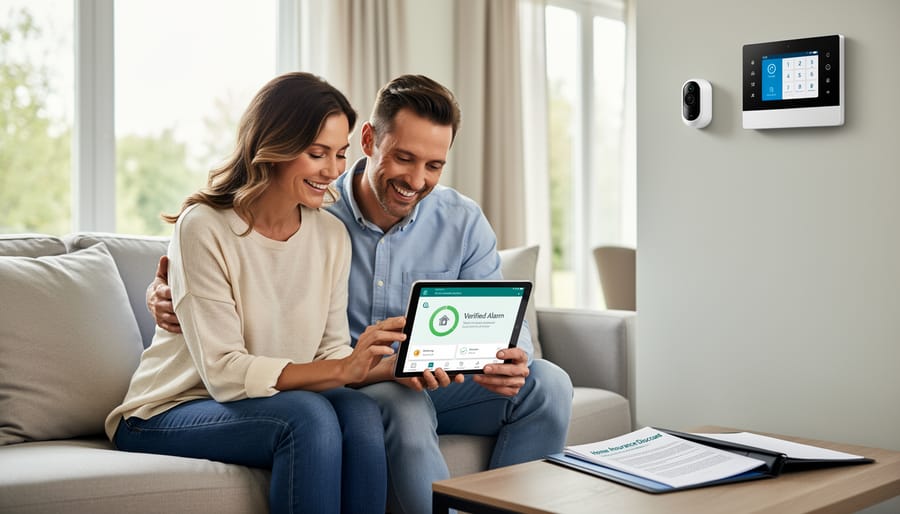
Understanding the distinction between verified and unverified alarm systems can significantly impact both your false alarm rates and insurance premiums. Unverified systems automatically dispatch emergency services the moment a sensor is triggered, leading to those costly false alarm responses we discussed earlier. In contrast, verified alarm systems incorporate a crucial checkpoint before authorities are contacted.
Verified systems work through a two-step process. When your alarm triggers, the monitoring company first attempts to confirm the emergency through video verification, audio monitoring, or direct contact with you or your emergency contacts. Only after verification does dispatch occur. This simple additional step reduces false alarm rates by an impressive 90-95 percent, according to industry data.
From an insurance perspective, this difference matters considerably. Many insurers now offer premium discounts ranging from 5 to 20 percent specifically for verified alarm systems, recognizing that homeowners with these systems pose lower risk. Some municipalities have even created tiered fine structures that exempt verified alarms from penalties altogether or significantly reduce fees for first-time offenses.
For real estate investors and homeowners alike, the upfront investment in verified monitoring technology typically pays for itself within two years through combined insurance savings and avoided false alarm fines.
Certification and Monitoring Standards That Maximize Discounts
Insurance providers reward proactive homeowners who demonstrate commitment to reducing false alarms through verified certifications and professional monitoring. Understanding which credentials matter most can translate into substantial premium savings, sometimes reducing hazard insurance costs by 15-25%.
UL-certified monitoring systems represent the gold standard in the industry. These certifications ensure your alarm system meets rigorous testing standards for reliability and false alarm reduction. Insurance companies particularly favor systems with UL 2050 certification, which specifically addresses false alarm prevention through enhanced verification protocols.
Professional monitoring services that employ two-way voice verification or video confirmation before dispatching emergency responders qualify for deeper discounts than basic monitoring alone. These services demonstrate you’re taking tangible steps to prevent unnecessary dispatch calls that drive up municipal costs and insurance risk assessments.
Look for systems featuring environmental sensors that distinguish between genuine threats and harmless triggers like pet movement or air pressure changes. Multi-sensor verification technology, where multiple detectors must confirm an event before triggering an alarm, significantly reduces false positives.
Additionally, completing accredited alarm user training courses through organizations like SIAC (Security Industry Alarm Coalition) provides documentation that insurers value. Some carriers offer immediate premium reductions upon proof of certification completion, recognizing that educated users generate fewer false alarms and ultimately represent lower risk profiles.
Understanding the relationship between false alarms and hazard premium insurance is essential for protecting both your property and your wallet. The key takeaway is finding the right balance: investing in quality security systems that minimize false alarms while maintaining robust protection can actually reduce your insurance costs over time, rather than inflate them.
Remember that insurance companies view excessive false alarms as a legitimate risk factor. Each unnecessary dispatch represents real costs to emergency services and can indicate unreliable security infrastructure. However, this doesn’t mean you should avoid security systems altogether. Instead, focus on proper installation, regular maintenance, and user education to keep your system functioning optimally.
The financial implications are significant. Premium increases of 10-25% might seem manageable initially, but they compound over years of homeownership. More critically, a pattern of false alarms can affect your insurability and limit your options when shopping for better rates. By addressing these issues proactively, you’re not just avoiding penalties, you’re positioning yourself for potential discounts and preferred customer status.
Now it’s time to take action. Start by auditing your current security system and reviewing your alarm history from the past year. Contact your insurance provider to discuss your specific policy terms regarding false alarms and available discounts for alarm upgrades. Familiarize yourself with homeowner insurance essentials to ensure you’re maximizing coverage while minimizing unnecessary costs. A proactive conversation today can save you thousands tomorrow.