
Transform your real estate practice into a thriving remote operation by leveraging digital tools, virtual showings, and cloud-based transaction management systems. Modern remote real estate careers combine traditional relationship-building skills with innovative technology, allowing agents to conduct business from anywhere while maintaining professional standards.
While certain aspects of real estate demand in-person interaction, technological advancements now enable agents to handle listings, marketing, client communications, and paperwork remotely. Virtual tours, e-signature platforms, and video conferencing have revolutionized property showings and deal closings, making remote work not just possible but increasingly prevalent in the industry.
Success in remote real estate requires strategic adaptation of traditional practices, investment in digital tools, and careful attention to state licensing requirements and compliance regulations. Forward-thinking agents who master these elements can build flourishing remote businesses while offering clients the flexibility and convenience they increasingly demand.
The Reality of Remote Real Estate Work
Virtual Tasks and Responsibilities
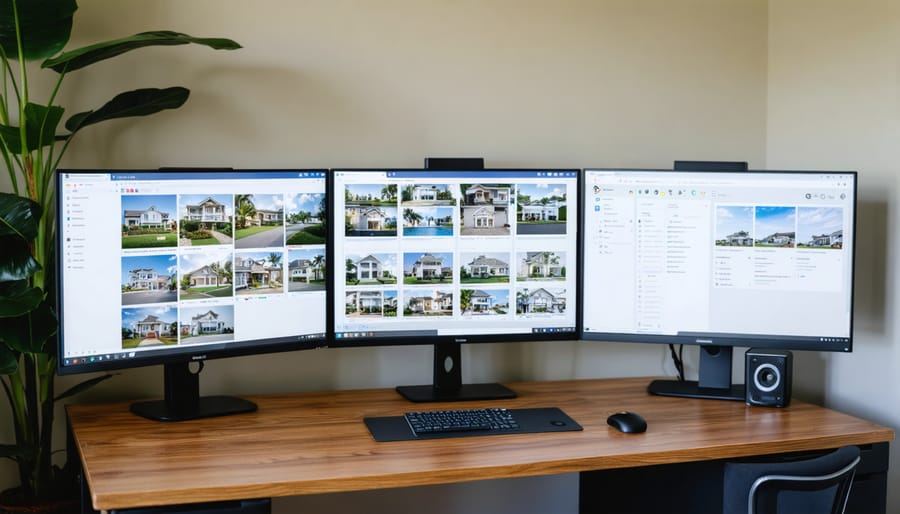
Real estate agents can accomplish numerous tasks remotely, leveraging digital tools and platforms to maintain productivity. Client communication and relationship management can be handled through video conferencing, email, and messaging apps. Virtual property tours and showings can be conducted using 360-degree cameras and live streaming technology, allowing agents to showcase properties to distant buyers.
Document management and transaction coordination are easily managed through digital platforms, including contract preparation, electronic signatures, and digital documentation storage. Market research, competitor analysis, and property valuations can be performed using online databases and real estate analytics tools.
Social media management and digital marketing campaigns can be executed remotely, including creating property listings, managing online advertisements, and engaging with potential clients across various platforms. Virtual open houses and property presentations can be hosted online, reaching a broader audience while maintaining social distancing protocols.
Lead generation and nurturing can be conducted through CRM systems, automated email campaigns, and virtual networking events. Administrative tasks such as scheduling appointments, maintaining client databases, and coordinating with other professionals can all be managed from any location with internet access.
Essential In-Person Activities
While remote work has transformed real estate, certain activities still require a physical presence. Property showings remain fundamentally in-person, as clients need to experience the space firsthand to make informed decisions. Home inspections also demand on-site attention, requiring agents to be present during evaluations to address concerns and document findings.
Open houses continue to be crucial networking opportunities where agents can connect with potential buyers and sellers face-to-face. Property valuations often necessitate personal visits to assess conditions, neighborhood characteristics, and unique features that might not be apparent through virtual means.
Key client meetings, especially during contract signings or final walk-throughs, typically work best in person. These moments build trust and allow for immediate resolution of last-minute concerns. Additionally, maintaining relationships with local industry partners, such as title companies and mortgage lenders, often requires occasional in-person meetings to strengthen professional bonds.
While technology can facilitate many aspects of real estate work, these essential face-to-face interactions remain vital for success in the industry and ensuring client satisfaction.
Technology and Tools for Remote Real Estate Success
Virtual Showing Platforms
Virtual showing platforms have revolutionized how real estate agents conduct property tours, becoming one of the most essential digital tools for agents working remotely. Popular platforms like Matterport, VirtualTour.IE, and EyeSpy360 allow agents to create immersive 3D property walkthroughs that clients can explore from anywhere in the world.
These platforms offer features such as high-definition video capabilities, interactive floor plans, and measurement tools that help potential buyers get a detailed sense of the property. Some advanced solutions even incorporate virtual reality (VR) technology, enabling clients to experience properties through VR headsets for an ultra-realistic viewing experience.
Live virtual showings through platforms like FaceTime, Zoom, or specialized real estate apps like Realync have also become standard practice. These tools allow agents to conduct real-time tours while interacting with clients, answering questions, and highlighting specific property features on the spot. Many platforms also offer recording capabilities, allowing agents to create permanent virtual tours that can be shared repeatedly with interested buyers.
When selecting a virtual showing platform, consider factors like ease of use, video quality, interactive features, and integration capabilities with your existing real estate software stack.
Digital Transaction Management
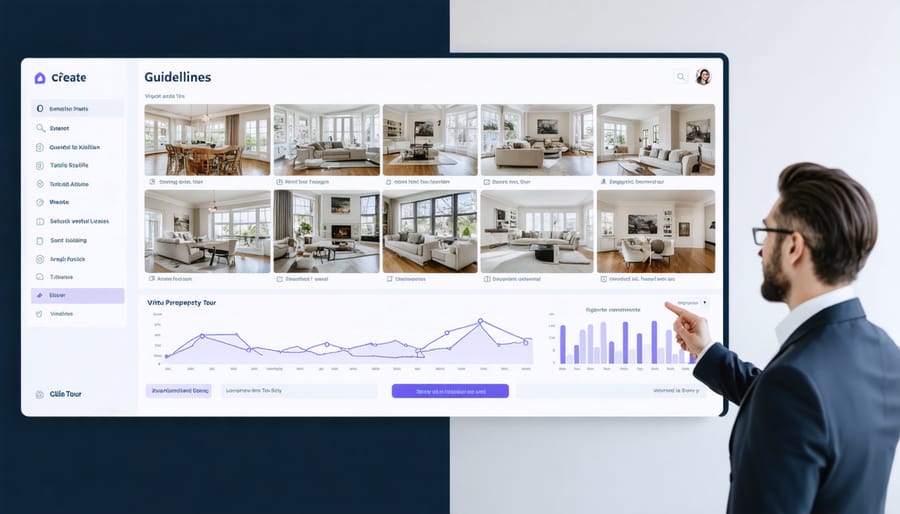
Modern digital transaction management (DTM) platforms have revolutionized how real estate agents handle paperwork remotely. Popular solutions like DocuSign, DotLoop, and Skyslope allow you to prepare, send, and manage contracts and other crucial documents entirely online. These platforms feature secure electronic signatures, document storage, and automated workflows that streamline the entire transaction process.
With DTM software, you can create templates for common forms, track document status in real-time, and maintain a complete audit trail of all activities. This means you can manage offers, counteroffers, and closing documents without ever needing to meet clients in person. Many platforms also integrate with customer relationship management (CRM) systems and other real estate software, creating a seamless digital workspace.
Security features like encryption, multi-factor authentication, and compliance tools ensure that sensitive client information remains protected while meeting legal requirements. Most platforms also offer mobile apps, allowing you to manage transactions from anywhere using your smartphone or tablet. This flexibility enables you to respond quickly to time-sensitive matters, even when you’re away from your desk.
Communication and Client Management Tools
Effective remote real estate work requires robust communication tools to maintain strong client relationships. Popular video conferencing platforms like Zoom and Google Meet enable face-to-face interactions, virtual property tours, and client consultations. CRM systems such as Follow Up Boss or LionDesk help track client interactions and automate follow-ups. For document handling, DocuSign and DotLoop facilitate secure, remote contract signatures and transaction management. Cloud storage solutions like Dropbox or Google Drive ensure easy access to property documents and marketing materials. Social media management tools like Hootsuite or Buffer help maintain consistent client engagement across platforms. These digital tools, when used strategically, can create a seamless virtual experience that rivals traditional in-person interactions.
Building a Remote Real Estate Business Model
Setting Up Your Virtual Office
To work effectively as a remote real estate agent, you’ll need to create a dedicated workspace that mimics the functionality of a traditional office. Start with a reliable high-speed internet connection and a dedicated workstation equipped with a professional desk and ergonomic chair. Invest in a quality laptop or desktop computer with sufficient processing power to handle virtual tours and video conferencing.
Essential tech tools include a professional-grade webcam, noise-canceling headphones, and proper lighting for video meetings. You’ll also need a smartphone with excellent camera capabilities for taking property photos when necessary. Consider adding a second monitor to enhance productivity when managing multiple listings or conducting virtual client meetings.
Cloud-based real estate management software is crucial for document handling and transaction management. Set up secure digital storage solutions for client documents and implement a reliable backup system. Don’t forget about proper cybersecurity measures, including a VPN for secure connections when working from different locations.
Create a quiet, professional background for video calls, and ensure your workspace has adequate storage for any physical documents and marketing materials you need to maintain.
Marketing Strategies for Remote Agents
Success in remote real estate requires mastering digital marketing strategies that effectively reach and engage potential clients online. Start by establishing a strong social media presence across platforms like Instagram, Facebook, and LinkedIn, where you can showcase properties through high-quality photos, virtual tours, and engaging content.
Create and maintain a professional website that serves as your digital storefront. Include detailed property listings, neighborhood guides, and valuable resources for buyers and sellers. Implement SEO best practices to improve your visibility in local search results, even when working remotely.
Email marketing remains a powerful tool for nurturing leads and maintaining client relationships. Develop targeted campaigns that provide market updates, property recommendations, and helpful real estate tips to keep your audience engaged.
Video marketing is particularly crucial for remote agents. Invest in quality equipment to create virtual property tours, market update videos, and educational content. Live streaming open houses and neighborhood tours can help you connect with clients who can’t attend in person.
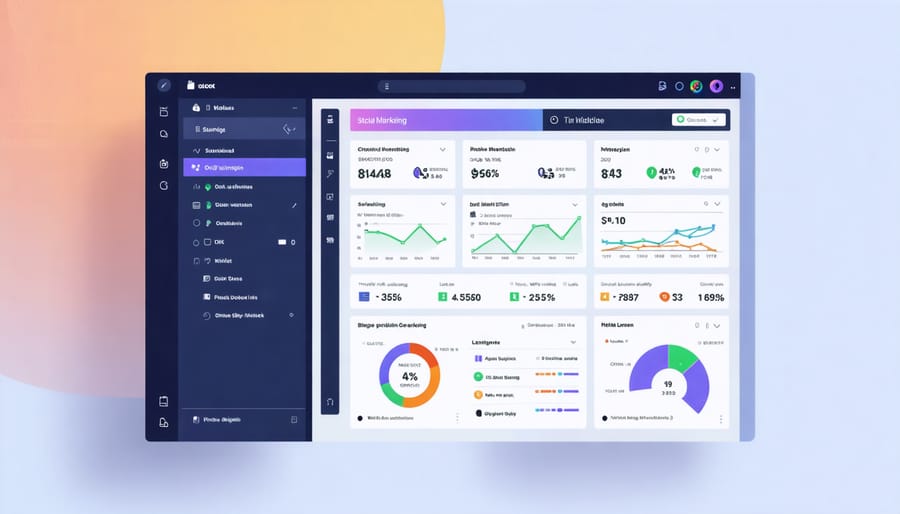
Consider implementing automated lead generation systems and customer relationship management (CRM) tools to streamline your marketing efforts. These tools can help you track interactions, schedule follow-ups, and maintain consistent communication with your client base while working remotely.
Finally, leverage online advertising platforms like Google Ads and social media marketing to target specific demographics and locations, ensuring your marketing reaches the right audience at the right time.
Managing Client Expectations
Managing client expectations in a remote setting requires clear communication and a proactive approach. Start by setting realistic timelines and explaining your remote work process during the initial consultation. Be transparent about which tasks can be handled virtually and which require in-person meetings.
Utilize video calls whenever possible to maintain a personal connection with clients. Regular updates through email, text, or your preferred communication platform help clients feel informed and valued. Consider creating a digital welcome packet that outlines your remote working procedures, available hours, and response time expectations.
Document everything meticulously and share relevant information through secure platforms. Use screen sharing during virtual meetings to review documents, listings, or market analyses together. This helps clients feel more involved in the process despite the physical distance.
Remember to be extra responsive when working remotely. Quick acknowledgments of messages, even if you need more time for a detailed response, help maintain client confidence. Schedule regular check-ins to address concerns and provide updates, ensuring your clients feel supported throughout their real estate journey.
End each interaction with clear next steps and timeline expectations to keep everyone aligned and confident in the process.
Legal and Compliance Considerations
State Licensing Requirements
State licensing requirements play a crucial role in determining how and where you can work remotely as a real estate agent. Each state has its own specific licensing laws and regulations that govern real estate practice, and these rules still apply even when working remotely.
Most states require you to hold a valid real estate license in the state where your clients’ properties are located. This means if you want to serve clients buying or selling properties in multiple states, you’ll need to obtain and maintain licenses in each of those jurisdictions. Some states have reciprocity agreements, allowing agents licensed in one state to more easily obtain licenses in partner states, but this isn’t universal.
When working remotely, you must still maintain a relationship with a licensed broker in each state where you conduct business. Your broker needs to be accessible for supervision and transaction oversight, even if you’re working from a different location.
Virtual practice doesn’t exempt you from continuing education requirements or license renewal deadlines. You’ll need to stay current with all licensing obligations in each state where you’re licensed. Many states now offer online continuing education courses, making it easier to maintain multiple licenses while working remotely.
Remember that violating state licensing requirements, even unintentionally, can result in serious consequences, including fines and license suspension. It’s essential to thoroughly research and comply with all applicable licensing regulations before expanding your remote real estate practice across state lines.
Digital Security and Privacy
Working remotely as a real estate agent requires robust digital security measures to protect sensitive client information and maintain professional integrity. As you handle confidential data like financial records, personal identification, and property details, implementing strong cybersecurity best practices is essential.
Start by using a secure, business-grade VPN when accessing client information from remote locations. This encrypts your internet connection and prevents unauthorized access to sensitive data. Implement multi-factor authentication for all your digital tools and platforms, including your CRM system, email, and document storage solutions.
Choose cloud storage providers that comply with real estate industry regulations and offer end-to-end encryption. Popular options like DocuSign for electronic signatures and Dropbox Business for file sharing meet these requirements while maintaining ease of use.
Regular data backups are crucial to protect against potential cyber threats or system failures. Create a systematic backup schedule and store copies in secure, separate locations. Additionally, ensure all your devices have updated antivirus software and firewalls.
Train yourself and any team members on privacy protocols, including proper handling of client information, secure password management, and recognizing potential phishing attempts. Stay informed about current data protection regulations in your jurisdiction and regularly review your security measures to maintain compliance and protect your clients’ trust.
The real estate industry has undergone a remarkable transformation, proving that remote work isn’t just possible – it’s becoming an integral part of modern real estate practice. As we’ve explored, successful remote real estate agents leverage digital tools, virtual touring technologies, and cloud-based platforms to serve their clients effectively from anywhere.
While face-to-face interactions will always have their place in real estate, the flexibility and efficiency of remote work have opened new possibilities for agents to expand their reach and enhance their work-life balance. The key to success lies in finding the right balance between virtual and in-person services while maintaining strong client relationships through consistent communication and exceptional service delivery.
Looking ahead, the future of remote real estate work appears promising. Technological advancements in virtual reality, artificial intelligence, and digital transaction management continue to make remote operations more seamless and sophisticated. However, agents must stay informed about evolving regulations, maintain proper licensing requirements, and adapt to changing market conditions.
For those considering a transition to remote work, start by gradually implementing digital tools and remote practices while maintaining your existing business model. Focus on building a strong online presence, developing virtual showing skills, and creating efficient digital workflows. Remember that successful remote real estate work requires dedication to professional development, investment in the right tools, and a commitment to providing outstanding client service, regardless of physical location.