
Transform traditional real estate financing barriers into strategic opportunities by leveraging innovative funding sources beyond conventional mortgages. Smart investors today combine private lending partnerships, crowdfunding platforms, and eco-friendly home financing options to maximize their property investment potential. Creative financing structures, including seller financing, lease options, and real estate investment trusts (REITs), open doors previously locked by traditional lending restrictions.
The modern real estate landscape demands a sophisticated approach to funding – one that blends time-tested methods with emerging financial technologies. Whether securing a property through self-directed IRAs, exploring vendor take-back mortgages, or tapping into green building incentives, today’s successful investors recognize that conventional financing represents just one piece of a larger funding puzzle. These alternative strategies not only provide access to previously untapped capital sources but also offer enhanced flexibility, potentially lower costs, and improved risk management opportunities for savvy real estate entrepreneurs.
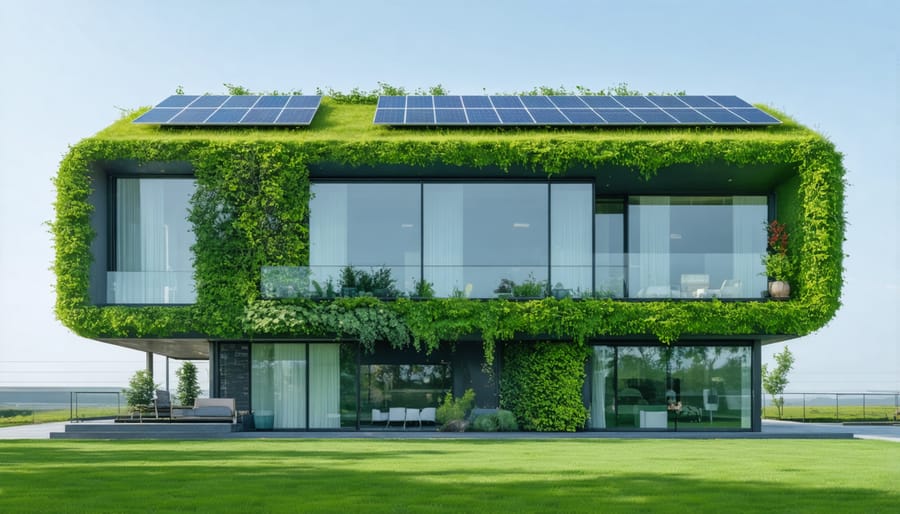
Green Mortgage Programs: The New Frontier
Energy-Efficient Mortgage Benefits
Energy-Efficient Mortgages (EEMs) offer a powerful way to finance both energy-saving improvements and homes that already meet high efficiency standards. These specialized loans allow borrowers to qualify for larger loan amounts by factoring in the projected energy savings from improvements or existing features.
Homebuyers and current homeowners can benefit from EEMs in several ways. First, they can finance energy improvements with little or no down payment, rolling the costs into their primary mortgage. This means immediate access to funding for upgrades like solar panels, high-efficiency HVAC systems, or improved insulation. Second, lenders often stretch debt-to-income ratios for EEM applicants, recognizing that lower utility bills increase monthly cash flow.
To qualify, properties must undergo a home energy assessment by a certified professional. This assessment determines potential energy savings and identifies which improvements would be most cost-effective. Most major lending institutions offer EEMs, and they’re available through conventional, FHA, and VA loan programs.
The long-term advantages are substantial: reduced energy bills, increased property value, and improved comfort levels. Additionally, some regions offer tax incentives for energy-efficient improvements, making EEMs even more attractive for environmentally conscious investors and homeowners looking to maximize their property’s potential while minimizing their carbon footprint.
Government-Backed Green Initiatives
Government-backed green initiatives have become increasingly attractive options for eco-conscious real estate investors and homeowners. The Federal Housing Administration (FHA) offers Energy Efficient Mortgages (EEMs) that allow borrowers to finance energy-saving improvements as part of their home purchase or refinancing. These loans can cover upgrades like solar panels, energy-efficient windows, and improved insulation systems.
The Department of Energy’s Property Assessed Clean Energy (PACE) program enables property owners to finance energy improvements through property tax assessments. While PACE financing has faced some challenges in the residential sector, it remains a viable option for commercial properties in many states.
Several states offer their own green financing programs. For example, New York’s Green Jobs-Green New York initiative provides low-interest financing for energy efficiency improvements, while California’s GoGreen financing program offers competitive rates for sustainable property upgrades.
Tax incentives further sweeten these deals. The federal solar investment tax credit allows property owners to deduct a significant percentage of their solar installation costs. Many states supplement these federal incentives with additional tax breaks, grants, and rebates for green building practices.
Remember to check both federal and state-level resources, as programs and incentives are frequently updated to reflect new environmental priorities and technologies.
Alternative Financing Solutions
PACE Financing Options
PACE (Property Assessed Clean Energy) financing represents one of the most innovative sustainable energy financing solutions available to property owners today. This unique financing mechanism allows property owners to fund energy-efficient upgrades and renewable energy installations with no upfront costs.
The program works by treating the improvements as a property tax assessment, which is repaid over periods typically ranging from 10 to 30 years. What makes PACE particularly attractive is that the assessment stays with the property rather than the owner, transferring to new owners upon sale.
Eligible improvements often include solar panel installations, energy-efficient HVAC systems, LED lighting upgrades, and water conservation measures. The program’s beauty lies in its positive cash flow structure – the energy savings frequently exceed the annual assessment payments, making it financially viable from day one.
Commercial PACE (C-PACE) has gained significant traction in the real estate market, while residential PACE (R-PACE) availability varies by state. Before pursuing PACE financing, property owners should consider that the assessment creates a primary lien on the property, which may require existing mortgage lender approval.
The program’s growing popularity stems from its ability to overcome traditional financing barriers while promoting environmental sustainability – a win-win for property owners and the planet.
Green Crowdfunding Platforms
Green crowdfunding platforms are revolutionizing how environmentally conscious real estate projects secure funding. These specialized platforms connect eco-minded investors with sustainable property developments, creating a win-win situation for both parties.
Leading platforms like Fundrise Green and Small Change focus exclusively on projects that meet specific environmental criteria, such as LEED certification, solar integration, or net-zero energy consumption. Investors can participate with relatively small amounts, often starting at $500, making sustainable real estate investment more accessible than ever before.
What sets these platforms apart is their rigorous vetting process for green projects. Developers must demonstrate clear environmental benefits, from energy-efficient designs to sustainable building materials. Many platforms also require regular reporting on environmental impact metrics, ensuring transparency and accountability.
The financial benefits are compelling too. Green properties often command premium rents and sales prices, while operating costs tend to be lower due to reduced energy consumption. Some platforms even offer tax advantages for investing in qualified opportunity zones that prioritize sustainable development.
For property developers, these platforms provide more than just funding. They offer access to a community of environmentally conscious investors who can become long-term partners and advocates for sustainable real estate projects. Many platforms also provide marketing support and expertise in green building certification processes.
However, investors should carefully review each platform’s terms, fees, and investment minimums, as these can vary significantly. It’s also important to understand the liquidity constraints and risk factors specific to green real estate investments.
Tax Incentives and Rebates
Federal Tax Credits
Federal tax credits represent a powerful incentive for sustainable real estate investments, offering significant financial benefits for property owners who implement value-adding green features. The Energy-Efficient Home Improvement Credit (25C) allows homeowners to claim up to 30% of costs, maxing out at $3,200 annually, for qualifying energy-efficient improvements like HVAC systems, insulation, and windows.
Commercial property owners can access the 179D tax deduction, which offers up to $1.88 per square foot for buildings that achieve significant energy savings. This deduction applies to both new construction and retrofits, making it particularly attractive for developers and investors focused on sustainable building practices.
The Investment Tax Credit (ITC) provides a 30% credit for solar energy systems, while geothermal heat pumps and small wind turbines qualify for similar incentives. Property owners can combine these credits with state and local incentives, maximizing their return on investment while contributing to environmental sustainability.
To claim these credits, maintain detailed documentation of improvements, including manufacturer certifications and energy performance metrics. Consider consulting a tax professional familiar with green building incentives to optimize your tax strategy and ensure compliance with current regulations.
Local Green Building Incentives
Local governments across the country are increasingly offering attractive financial incentives to promote sustainable building practices. Many municipalities provide property tax abatements for buildings that achieve specific green certifications, such as LEED or Energy Star. These abatements can reduce your property taxes by 20-50% for periods ranging from 5 to 15 years, creating substantial long-term savings.
Several cities offer expedited permit processing for green building projects, saving both time and money during development. For instance, Chicago’s Green Permit Program can reduce permit waiting times from months to weeks while offering fee reductions of up to $25,000.
State-level incentives often include grants, low-interest loans, and rebate programs. California’s PACE (Property Assessed Clean Energy) financing allows property owners to fund energy efficiency improvements through property tax assessments, while New York’s Green Jobs-Green New York program provides low-interest financing for energy audits and retrofits.
Many utilities also partner with local governments to offer additional incentives. These can include reduced connection fees, energy-efficient equipment rebates, and special rate structures for buildings that incorporate renewable energy systems or meet specific efficiency standards.
Before starting your green building project, check with your local sustainability office or building department to identify available incentives in your area.
Innovation in Green Property Insurance
Performance-Based Coverage Options
Performance-based coverage options represent an innovative approach to real estate insurance that aligns premiums with a building’s actual performance metrics. These cutting-edge insurance products are revolutionizing how property owners protect their investments while incentivizing sustainable practices.
At the core of these options are smart building technologies that monitor various performance indicators, including energy efficiency, water usage, and overall maintenance standards. Insurance providers use this real-time data to adjust premiums dynamically, offering significant savings to property owners who maintain high-performance standards.
For example, buildings equipped with advanced energy management systems might qualify for premium reductions of 10-25% if they consistently meet predetermined efficiency benchmarks. Similarly, properties with proven track records of lower maintenance issues and fewer insurance claims can benefit from more favorable coverage terms.
Some innovative insurance products now include:
– Energy Performance Insurance: Guarantees the projected energy savings of green building improvements
– Smart Building Coverage: Policies that adjust rates based on real-time monitoring of building systems
– Sustainability Performance Bonds: Insurance products that protect against failure to meet specified green building standards
Property owners can leverage these performance-based options to reduce operating costs while securing comprehensive coverage. The key is maintaining detailed documentation of building performance metrics and implementing regular maintenance protocols to meet insurers’ requirements.
To qualify for these programs, buildings typically need:
– Smart monitoring systems
– Regular performance audits
– Documented maintenance procedures
– Compliance with industry sustainability standards
The financial benefits extend beyond insurance savings, as high-performing buildings often command premium rents and higher resale values. This creates a positive feedback loop where investment in building performance improvements leads to reduced insurance costs and increased property value.
For real estate investors considering these options, it’s essential to work with insurance providers who specialize in performance-based coverage and understand the unique aspects of sustainable building operations.
Future-Proofing Your Investment
In today’s evolving real estate landscape, green financing isn’t just an environmental choice—it’s a smart investment strategy. As markets increasingly value sustainability, knowing how to future-proof sustainable properties can significantly boost your long-term returns.
Energy-efficient properties typically command premium resale values, with studies showing they sell for 4-8% more than conventional properties. Moreover, green buildings often qualify for reduced insurance premiums and property tax incentives, creating immediate cost savings while building long-term value.
Consider the ROI perspective: while sustainable features might increase initial costs by 2-5%, they typically reduce operating expenses by 20-30% annually through lower utility bills and maintenance costs. This creates a compelling value proposition for both owners and tenants.
Smart investors are also leveraging green certifications (like LEED and ENERGY STAR) to access preferential financing rates and terms. Many lenders now offer “green mortgages” with interest rates up to 0.5% lower than standard rates, significantly reducing long-term financing costs.
The insurance sector is evolving too, with new products specifically designed for sustainable properties. These policies often include additional coverage for renewable energy systems and offer better terms for buildings with resilient, eco-friendly features.
By implementing these strategies now, you’re not just protecting your investment—you’re positioning it for enhanced profitability in an increasingly sustainability-focused market.
Navigating the world of real estate financing doesn’t have to be overwhelming. By exploring creative financing options, you can transform your property investment dreams into reality. From house hacking and seller financing to crowdfunding platforms and green mortgages, the possibilities extend far beyond traditional bank loans.
Remember to start by evaluating your financial position and investment goals. Consider combining multiple financing strategies to create a customized solution that works for your situation. For instance, you might pair a traditional mortgage with private lending or utilize both HELOC and partnership arrangements for maximum flexibility.
Take action by first researching local lending institutions that specialize in creative financing options. Build relationships with potential private lenders and real estate investment groups in your area. Stay informed about government programs and tax incentives, particularly those supporting sustainable and energy-efficient properties.
Don’t forget to protect your investment through proper insurance coverage and legal documentation. Work with experienced professionals who can guide you through complex transactions and help structure deals that benefit all parties involved.
The key to success lies in staying flexible and open to opportunities while maintaining a solid understanding of the risks involved. Whether you’re a first-time buyer or seasoned investor, these creative financing strategies can help you build and expand your real estate portfolio strategically and sustainably.
Start small, learn continuously, and gradually scale your investments as you become more comfortable with different financing methods. The real estate market is constantly evolving, and so should your financing approach.