
DocuSign’s Remote Online Notarization platform has revolutionized how real estate transactions close, eliminating the need for in-person notary meetings and accelerating deal timelines from days to hours. But this technological leap forward has created an unexpected vulnerability that most real estate professionals don’t realize exists until it’s too late: a critical gap in liability protection when remote identity verification fails.
The uncomfortable truth is that DocuSign RON, despite its sophisticated identity proofing technology, doesn’t insure you against the financial devastation of identity fraud. When a criminal successfully impersonates a legitimate party during a remote notarization, the resulting fraudulent transfer can trigger losses exceeding hundreds of thousands of dollars. Title companies, lenders, and closing attorneys are discovering that their existing errors and omissions policies contain exclusions specifically targeting these digital transaction scenarios, leaving them personally exposed.
This protection gap matters because remote notarization fraud is escalating rapidly. Sophisticated criminals are exploiting the inherent limitations of screen-based identity verification, using deepfake technology and stolen credentials to pass knowledge-based authentication tests that would have failed in face-to-face settings. The question isn’t whether DocuSign’s technology works—it does, remarkably well—but rather who absorbs the financial impact when the statistically inevitable fraud occurs.
Identity assurance insurance exists specifically to close this gap, transforming an uninsurable technology risk into a manageable business expense. Understanding when you need this coverage, what it actually protects, and how to evaluate policies has become essential knowledge for anyone facilitating remote real estate closings.
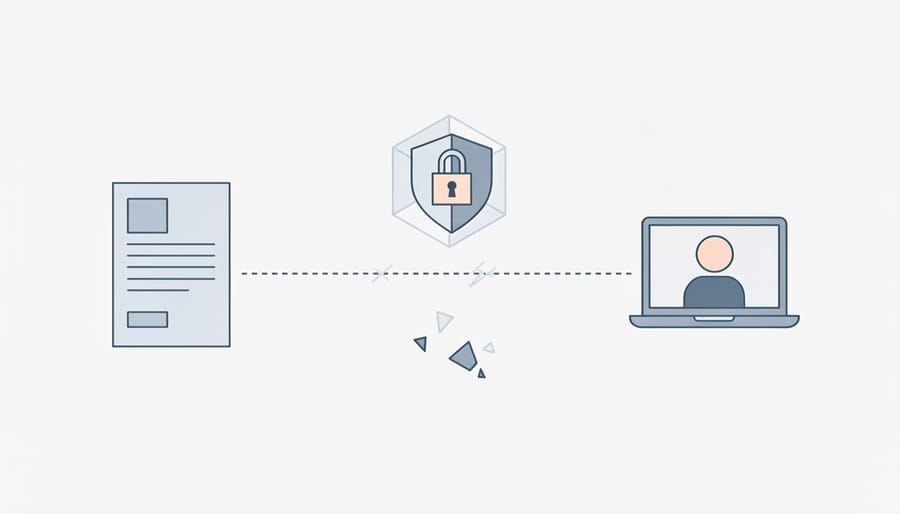
What DocuSign Remote Online Notarization Actually Does (and Doesn’t Do)
The Technology Behind DocuSign’s Identity Verification
DocuSign’s remote online notarization platform employs a three-layered identity verification system that serves as the backbone of digital transaction security in real estate closings. The first layer uses knowledge-based authentication (KBA), which quizzes signers with questions drawn from their credit history and public records—think questions about previous addresses or loan amounts that only the genuine person would know. Next comes credential analysis, where the platform examines government-issued IDs using sophisticated technology to detect alterations, expiration dates, and authenticity markers. The system captures images of driver’s licenses or passports and cross-references them against security databases. Finally, biometric verification adds a live element by requiring signers to take real-time selfies that facial recognition software matches against their ID photos. This multi-step process creates significant friction for fraudsters attempting to impersonate legitimate parties. However, while these technologies are impressive, they’re not infallible—determined criminals using stolen credentials or deepfake technology can occasionally bypass these safeguards, which is precisely why identity assurance insurance exists as a crucial safety net for high-value property transactions.
Where DocuSign’s Liability Ends
DocuSign’s terms of service make one thing crystal clear: they provide the technology platform, not liability protection for what happens during notarizations. Think of it this way—DocuSign is essentially the digital meeting room where the notarization happens, but they’re not responsible for verifying identities or ensuring the transaction’s legitimacy beyond their platform’s technical functions.
According to their user agreements, DocuSign’s responsibility ends with maintaining the technological infrastructure that facilitates remote online notarization. They ensure the platform works, captures the necessary recordings, and stores documents securely. However, they explicitly disclaim liability for fraudulent documents, identity theft, or improper notarizations that occur using their system.
The actual responsibility falls squarely on two parties: the commissioned notary performing the service and the transaction participants themselves. The notary bears professional liability for properly verifying identities and following state-specific RON requirements. Meanwhile, lenders, title companies, and other transaction parties assume the risk if fraudulent activity slips through despite following proper procedures.
This liability gap is precisely why identity assurance insurance exists. Without it, you’re relying solely on technology and human judgment—a combination that, while generally reliable, isn’t foolproof against sophisticated fraud schemes targeting high-value real estate transactions.
The Hidden Identity Risk in Remote Real Estate Closings

Case Study: When Synthetic Identity Fraud Bypassed Digital Verification
In 2023, a composite case emerged involving a $850,000 residential property transaction that highlighted critical vulnerabilities in remote online notarization systems. A fraudster successfully created a synthetic identity using a combination of legitimate social security numbers, fabricated credit histories, and AI-enhanced photo manipulation to pass DocuSign’s RON identity verification checks.
The scheme worked because the perpetrator understood that while RON technology excels at verifying that the person on camera matches the ID presented, it cannot definitively confirm whether that identity itself is authentic or synthetic. The fraudster had spent months building the synthetic identity’s digital footprint, complete with utility bills, credit accounts, and employment records. When the RON session occurred, the knowledge-based authentication questions were answerable because the synthetic identity had an established history.
The transaction proceeded smoothly until the actual property owner discovered the fraudulent sale three weeks later. By then, the funds had been dispersed and the criminals had vanished. The title company faced significant liability exposure, and the case required extensive legal intervention to unwind.
This incident underscores why comprehensive data breach protection and identity assurance insurance remain essential. RON technology provides robust safeguards, but sophisticated fraud attempts continue evolving. The case cost all parties involved over $200,000 in legal fees and remediation expenses, demonstrating that technology alone cannot eliminate identity fraud risk in high-value real estate transactions.

What Identity Assurance Insurance Actually Covers
Coverage Triggers and Claims Scenarios
Identity assurance insurance activates when specific fraud scenarios compromise your transaction despite following proper DocuSign RON protocols. Coverage typically triggers when an imposter successfully passes identity verification using stolen credentials, deepfake technology, or sophisticated document forgery. For instance, if someone uses a fraudulent driver’s license and passes the knowledge-based authentication questions to execute a deed transfer, your policy would respond to resulting financial losses.
Claims scenarios include unauthorized property transfers, fraudulent mortgage refinances, and forged powers of attorney that slip through remote verification. The insurance also covers legal defense costs when you’re sued due to identity fraud in a notarized transaction, even if you followed all recommended procedures.
However, important exclusions exist. Coverage won’t apply if you bypass required identity verification steps or ignore red flags during the notarization session. Intentional misconduct by your own employees typically falls outside policy boundaries. Additionally, general technology failures unrelated to identity fraud—like system outages causing transaction delays—aren’t covered.
Standard errors and omissions insurance policies often exclude identity fraud losses, creating a critical gap that identity assurance insurance specifically fills. Understanding these triggers helps you recognize when this specialized coverage becomes your financial safety net in the digital notarization landscape.
How This Differs From E&O and Title Insurance
Understanding the insurance landscape around digital notarization requires recognizing what traditional policies actually protect. While E&O insurance coverage protects against professional negligence and mistakes in your work, and title insurance safeguards against defects in property ownership, neither directly addresses identity fraud in remote notarization.
Here’s the critical distinction: E&O policies typically cover errors you make as a professional—missed signatures, incorrect document preparation, or failure to follow proper procedures. Title insurance protects against liens, ownership disputes, and property history issues. Both assume the people signing documents are who they claim to be.
Identity assurance insurance fills the gap between these traditional protections. It specifically addresses scenarios where fraudsters successfully impersonate legitimate parties during digital transactions, even when notaries follow all proper verification protocols. This is the blind spot in your coverage portfolio.
Think of it this way: if someone uses sophisticated deepfake technology or stolen credentials to pose as a homeowner during a DocuSign RON session, your E&O policy won’t cover the resulting financial loss because you followed correct procedures. Title insurance won’t help because the fraud occurred during the transaction process, not in the property’s history. Identity assurance insurance exists precisely for this modern threat landscape.
Who Needs This Coverage (You Might Be More Exposed Than You Think)
Risk Assessment for Title Companies and Escrow Officers
Title and escrow professionals face heightened exposure when facilitating DocuSign remote online notarizations. Unlike traditional in-person closings where you can verify identity through physical presence and document inspection, RON introduces technical vulnerabilities including screen-sharing fraud, deepfake technology, and sophisticated identity manipulation that bypass standard knowledge-based authentication.
Your liability extends beyond the transaction itself. If a fraudulent notarization occurs during a closing you’ve coordinated, you may face claims for title defects, recording errors, or financial losses—even when the notary was technically independent. Escrow officers managing disbursements based on remotely notarized documents carry particular risk since fund transfers become irreversible once completed.
The challenge intensifies because your errors and omissions policy may not adequately cover technology-enabled fraud. Traditional E&O was designed for paperwork mistakes and procedural errors, not cyber-fraud schemes targeting digital closing platforms. This coverage gap leaves you personally exposed when sophisticated criminals exploit RON systems, making identity assurance insurance a practical risk management necessity rather than optional protection.
Lenders and Mortgage Professionals: Your Exposure Level
For lenders and mortgage professionals, identity fraud in DocuSign RON transactions isn’t just an abstract concern—it carries concrete financial consequences. When a fraudulent notarization slips through, you may face repurchase obligations from secondary market investors who discover the defect later. These buyback demands can surface months or even years after closing, forcing you to repurchase loans at par value while the underlying property value may have declined.
Beyond the immediate financial hit, regulatory scrutiny intensifies when fraud occurs in your loan portfolio. Federal and state agencies may investigate your due diligence processes, potentially resulting in fines, consent orders, or enhanced monitoring requirements. The Consumer Financial Protection Bureau has made clear that lenders remain responsible for verifying borrower identity regardless of the technology platform used.
Your reputation capital is equally at risk. A pattern of fraud cases can damage relationships with investors, impact your ability to sell loans on favorable terms, and erode trust with referral partners who depend on clean transactions.
Selecting the Right Identity Assurance Policy for Your Practice
Essential Policy Features and Endorsements
When selecting identity assurance insurance for DocuSign RON transactions, certain policy features are non-negotiable. First, ensure your coverage specifically addresses remote online notarization—not just traditional notarization—since the risk profiles differ significantly. Your policy should include coverage for identity verification failures, fraudulent document execution, and technological failures during the notarization process.
The coverage limit matters tremendously. For professionals handling multiple transactions monthly, consider policies offering at least $1 million per occurrence with aggregate limits of $2 million or higher. This protects you when a single fraud incident affects multiple parties or when cumulative claims arise throughout the policy period.
Essential endorsements worth considering include cyber liability coverage, which addresses data breaches during the digital notarization process, and errors and omissions protection for procedural mistakes. If you’re handling high-value commercial transactions, look for policies with increased limits endorsements that can scale with your largest deals.
Transaction volume should guide your coverage selection. High-volume professionals closing 50-plus transactions monthly need broader protection than occasional users. Some carriers offer tiered pricing based on annual transaction counts, making comprehensive coverage more affordable as you scale. Always verify that your policy covers both the notary’s actions and the technology platform’s potential vulnerabilities—a gap that leaves many professionals exposed.
Cost-Benefit Analysis: What You Should Expect to Pay
Identity assurance insurance premiums vary significantly based on your transaction volume and desired coverage limits. For real estate professionals handling 10-25 remote notarizations monthly, expect to pay between $500-$1,200 annually for basic coverage starting at $100,000 per incident. Higher-volume operations processing 50+ transactions monthly typically invest $2,000-$5,000 yearly for $250,000 to $1 million in coverage.
These costs may seem substantial upfront, but consider the protection value: a single fraud incident involving identity theft in a property transaction can easily exceed $200,000 in losses, legal fees, and reputational damage. That’s before factoring in potential regulatory penalties and client lawsuits.
The ROI perspective becomes clear when you consider that most policies cost less than 1% of your potential exposure. For a title company closing $50 million in annual transactions, a $3,000 premium represents just 0.006% of transaction value while protecting against catastrophic losses.
Most carriers offer volume discounts and bundled options when combined with existing errors and omissions coverage. Some even provide free risk assessment tools to help you determine appropriate coverage levels based on your specific DocuSign RON workflow and client profile.
The digital notarization revolution is here, and it’s transforming how we close real estate transactions. But with innovation comes new vulnerabilities. While DocuSign’s remote online notarization platform offers robust identity verification technology, it cannot eliminate every risk of fraud or impersonation. This reality makes identity assurance insurance not just a nice-to-have, but an essential component of modern real estate risk management.
For real estate professionals navigating this landscape, the path forward requires action. Start by conducting a thorough audit of your current errors and omissions policy. Does it explicitly cover remote online notarization scenarios? What about synthetic identity fraud or deepfake technology risks? These questions matter more than ever as digital transactions become the industry standard.
Next, have candid conversations with your insurance broker about coverage gaps specific to RON transactions. The insurance market is evolving rapidly to address these emerging risks, with carriers developing specialized products that complement existing E&O coverage. Understanding what protection you already have versus what additional coverage you need is critical to avoiding expensive surprises.
The landscape will continue shifting as RON adoption accelerates and identity verification technology advances. Staying informed about both technological capabilities and insurance innovations positions you to protect your business effectively. Consider identity assurance insurance as your safety net in the high-wire act of digital transactions, because in real estate, protecting against what could go wrong is just as important as celebrating what goes right.