
Bundle your homeowners insurance with auto, security, or umbrella policies to unlock discounts ranging from 15% to 25% on your total premiums—a strategy that can save the average homeowner $300 to $800 annually while streamlining coverage management. Contact your current insurer first to request bundling quotes, as existing customers typically receive preferential rates and faster processing than switching to new providers entirely.
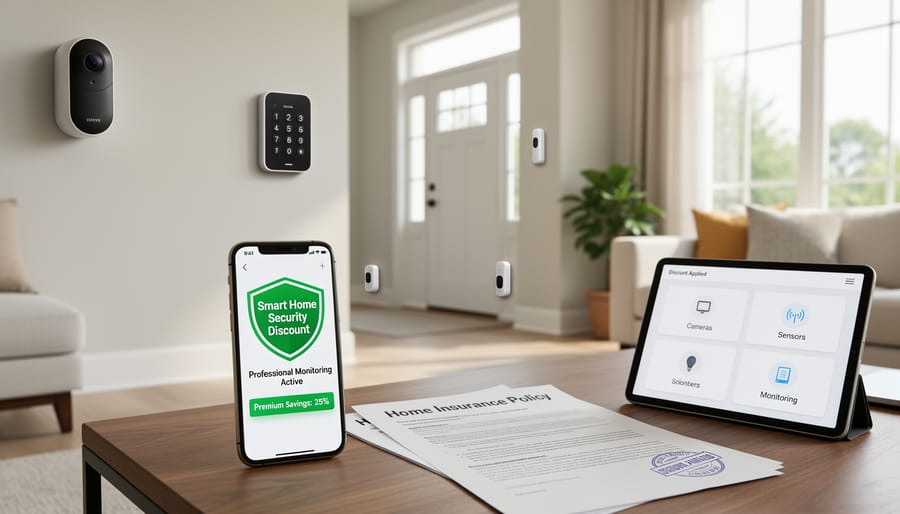
Install a monitored security system before requesting insurance quotes, since companies like State Farm and Allstate offer additional 5% to 20% reductions specifically for homes with professionally monitored alarm systems, smoke detectors, and smart home devices. Document all security features with photos and installation receipts, as insurers require verification before applying these discounts to your policy.
Compare bundling offers from at least three providers using identical coverage limits and deductibles to identify genuine savings versus marketing tactics. Major insurers structure bundle discounts differently—some apply percentage reductions to each policy, while others discount only the smaller premium—making side-by-side comparison essential for maximizing actual savings rather than advertised percentages.
Request itemized quotes showing exactly how much each bundled component costs individually versus the package price, ensuring transparency about where savings occur. This breakdown reveals whether you’re getting competitive rates on both policies or subsidizing a poor home insurance rate with inflated auto premiums, a common industry practice that negates bundling benefits for savvy homeowners and real estate investors.
Why Insurance Companies Reward Security System Integration
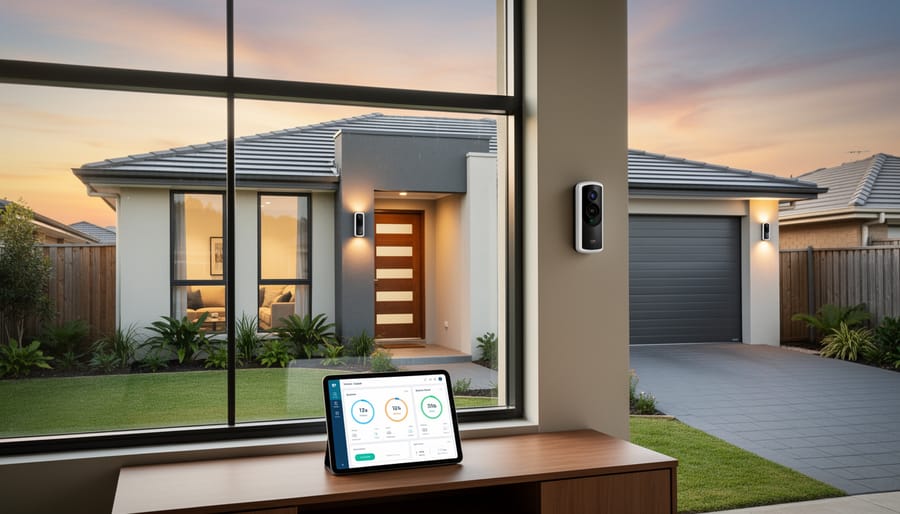
Insurance companies aren’t offering security system discounts out of generosity—they’re making a calculated business decision backed by hard data. When you integrate a comprehensive security system with your home insurance policy, insurers recognize a measurable reduction in their risk exposure, and they’re willing to share those savings with you.
The numbers tell a compelling story. Homes without security systems are approximately 300% more likely to be burglarized than protected properties, according to industry research. More importantly for insurers, theft claims represent a significant portion of homeowner policy payouts. When a smart home security system reduces break-in probability, it directly impacts an insurance company’s bottom line by decreasing claims frequency and severity.
Beyond burglary prevention, modern security systems offer additional risk mitigation that insurers value highly. Monitored systems with smoke detectors, water sensors, and temperature monitoring help prevent costly claims from fire, flooding, and frozen pipes—incidents that often result in five-figure payouts. The Insurance Information Institute reports that fire and lightning damage claims average over $75,000, while water damage claims typically exceed $11,000. Early detection systems can reduce these losses substantially.
The financial incentives insurers offer reflect these realities. Typical discounts range from 5% to 20% on annual premiums for professionally monitored systems, with some carriers offering up to 25% for comprehensive smart home integration. When bundling security monitoring with your insurance policy through the same provider, additional package discounts of 10-15% become available, creating compound savings.
This isn’t marketing smoke and mirrors—it’s actuarial science. Insurance companies build their business models on statistical probabilities and risk assessment. When they offer discounts for security integration, they’ve already calculated that the reduced claim likelihood more than compensates for the premium reduction. That mathematical certainty makes security system bundling one of the most reliable strategies for long-term insurance cost reduction available to property owners today.
The Real Numbers: What You’ll Actually Save
Standard Bundling Discounts by Security Level
Insurance providers structure their bundling discounts based on the sophistication of your home security setup, creating a clear incentive ladder for enhanced protection. Understanding these tiers helps you maximize savings while improving your property’s defenses.
Basic alarm systems typically earn you 5-10% off your home insurance premium when bundled with your policy. These entry-level setups include door and window sensors with audible alarms that alert you and potentially neighbors to breaches. While modest, this discount makes basic protection accessible for budget-conscious homeowners.
Mid-tier monitored security systems unlock 10-15% discounts. These packages connect your alarms to 24/7 professional monitoring centers that dispatch emergency services when triggered. The enhanced response capability justifies higher savings, as security systems reduce costs for insurers by preventing losses before they escalate.
Comprehensive smart home security packages command the highest discounts at 15-20%. These advanced systems integrate cameras, motion sensors, smart locks, water leak detectors, and environmental monitors into a single ecosystem. Real-time alerts to your smartphone, video verification, and automated emergency protocols demonstrate superior risk mitigation. For real estate professionals advising clients or property investors managing multiple units, these top-tier systems deliver substantial long-term savings while providing cutting-edge protection that appeals to security-conscious buyers and tenants.
Additional Premium Reductions You’re Missing
Beyond standard security system discounts, savvy homeowners can unlock substantial additional savings through environmental monitoring technology that many insurers reward but few policyholders leverage. Water leak detection sensors, for instance, typically qualify for 5-10% premium reductions—a significant benefit considering water damage claims account for nearly 30% of all homeowner insurance losses.
Smart water shutoff valves paired with moisture sensors provide real-time alerts and automatic water supply termination, demonstrating proactive risk management that insurers value highly. Some carriers offer combined discounts reaching 15% when you integrate multiple protective devices into your home security ecosystem.
Fire monitoring systems that connect directly to emergency services can generate another 3-8% discount, particularly when combined with smoke and carbon monoxide detectors that communicate with your smartphone. Temperature sensors protecting against freeze-related pipe bursts add yet another layer of savings, especially valuable in colder climates where insurers face elevated winter claims.
Environmental hazard detection extends to radon monitors, natural gas detectors, and even wind sensors in hurricane-prone regions. When bundled with your existing security package and home insurance policy, these technologies create a comprehensive risk mitigation profile that insurers reward generously. Combined with additional home improvements like impact-resistant features, total premium reductions can exceed 30% while simultaneously protecting your property investment.
Which Security Features Insurers Value Most
Not all security features carry equal weight with insurance underwriters. Understanding which components generate the most substantial discounts can help you prioritize investments that deliver the best return from a premium reduction standpoint.
Professional 24/7 monitoring stands at the top of the insurer preference list, typically commanding discounts between 15-20%. When your security system connects to a monitoring center that can dispatch emergency services immediately, insurers view this as significantly reducing their risk exposure. The key differentiator here is professional monitoring versus self-monitoring through smartphone apps—insurers consistently favor the former because it ensures response even when you’re unavailable.
Smart cameras with cloud storage capabilities rank second, generating typical discounts of 5-10%. Insurance companies value these devices because they provide evidence for claims processing and serve as visual deterrents. Look for systems offering at least 1080p resolution, night vision, and motion-activated recording. The ability to review footage remotely helps insurers verify incidents quickly, streamlining the claims process.
Door and window sensors form the foundation of comprehensive coverage, often contributing 8-12% in premium reductions. Insurers appreciate the immediate alert capability when entry points are breached. The more access points you protect, the better—covering all ground-floor entries typically maximizes this discount.
Glass break detectors add another layer worth 2-5% in savings. While often overlooked, these sensors detect the specific sound frequency of breaking glass, catching intrusions that might bypass contact sensors. They’re particularly valuable if you have large windows or glass doors.
Smart locks contribute 3-5% discounts by providing keyless entry logs and remote locking capabilities. Understanding how smart technology affects premiums helps you make informed decisions about which features deliver maximum insurance value.
From an ROI perspective, start with professional monitoring and comprehensive door/window sensors, then add cameras. These three components typically deliver 80% of available security-related discounts while representing the most cost-effective investment relative to premium savings over time.
How to Package Your Security and Insurance for Maximum Savings
Securing the best bundled package requires a strategic approach that puts you in the driver’s seat. Start by requesting quotes from at least three different insurers before purchasing any security equipment. This baseline comparison gives you leverage when negotiating and prevents you from investing in a system that won’t qualify for discounts with your preferred carrier.
Contact your current insurer first to understand their specific security system requirements. Many carriers maintain preferred vendor lists or require professional monitoring to qualify for discounts. Ask explicitly which brands, monitoring services, and installation types earn the highest premium reductions. Document these requirements in writing to avoid surprises during policy renewal.
Next, coordinate your security installation timeline with your policy renewal date. Installing a system mid-policy might not adjust your premium until renewal, meaning you’ll pay for equipment and monitoring without immediate savings. If your renewal is months away, use this time to research compatible systems and gather competitive quotes from other insurers.
When comparing offers, create a spreadsheet tracking the total cost of ownership over five years. Include insurance premiums, security equipment costs, monthly monitoring fees, and any installation charges. This comprehensive view often reveals that a slightly higher upfront security investment paired with a more generous insurance discount delivers superior long-term savings.
Leverage competition aggressively but professionally. Once you’ve identified your preferred security setup, present competing insurance quotes to each carrier and ask them to match or beat the bundled rate. Insurers frequently have flexibility in their pricing, particularly for customers with clean claims histories or multiple policies to bundle.
Don’t hesitate to negotiate installation timing either. Some security companies offer seasonal promotions or waive installation fees when you commit to extended monitoring contracts. Aligning these promotions with your insurance renewal window can compound your savings significantly, sometimes reducing first-year costs by 30 percent or more compared to purchasing services separately.
The Fine Print: Requirements and Restrictions
Before jumping into a bundling deal, it’s essential to understand the strings attached. Insurance companies and security providers typically impose specific requirements that can significantly impact your flexibility and costs down the line.
Most insurers require professional installation of security systems to qualify for bundling discounts. While DIY systems have become popular, many insurance providers won’t extend premium reductions unless a certified technician handles the setup. This requirement ensures proper functionality and reduces liability concerns, but it adds upfront costs that can range from $200 to $500 depending on system complexity.
Monitoring contracts present another consideration. Many bundling agreements mandate minimum monitoring service terms, typically ranging from 24 to 36 months. Breaking these contracts early often triggers substantial penalties, sometimes totaling hundreds of dollars. Additionally, some providers require continuous monitoring to maintain your insurance discount, meaning if you cancel the service, your premium reduction disappears immediately.
System certification requirements vary by insurer. Your security equipment must usually meet specific industry standards, such as UL certification or adherence to particular communication protocols. Older systems might not qualify, forcing you to upgrade equipment before accessing bundling benefits.
Maintenance obligations deserve careful attention. Insurance policies often stipulate regular system testing and battery replacements to keep discounts active. Failure to maintain equipment properly can void your coverage during a claim. Remember that false alarm costs and fines can also accumulate if your system isn’t properly maintained, potentially offsetting your insurance savings.
Equipment ownership issues frequently catch homeowners off-guard. Some monitoring companies retain ownership of installed equipment, meaning you can’t switch providers without surrendering the hardware. Always clarify whether you’re purchasing or leasing equipment before signing any bundling agreement. Read contracts thoroughly and ask about early termination fees, equipment buyout options, and what happens to your insurance discount if you change monitoring providers.
Best Insurance Providers for Security Bundling
When evaluating insurance providers for security bundling, the landscape divides into two distinct camps: carriers with proprietary security divisions and those partnering with established third-party providers. Understanding these differences can significantly impact both your savings and service experience.
State Farm leads the pack with its in-house security partnerships, offering discounts ranging from 15-20% when you bundle their monitored alarm systems with home insurance. Their advantage lies in streamlined claims processing since everything operates under one umbrella. However, you’re limited to their approved security vendors, which may restrict your equipment choices.
Liberty Mutual takes a more flexible approach through partnerships with major players like ADT and SimpliSafe. Their bundling discounts typically fall between 10-15%, but the real value emerges in their customization options. You can mix and match security features to maximize savings without being locked into a single provider’s ecosystem.
Allstate’s Digital Locker program deserves special mention for tech-savvy homeowners. By integrating smart home security systems, you can earn up to 20% in combined discounts while gaining access to their innovative home inventory tracking tools. This approach particularly appeals to real estate investors managing multiple properties.
For those seeking maximum flexibility, USAA offers veterans and military families generous bundling terms with virtually any professionally monitored security system. Their 15% base discount increases with additional smart home integrations, and their claims satisfaction ratings consistently outperform competitors.
Progressive rounds out the top tier with their Snapshot-style approach to home security bundling. Their 12-18% discounts scale based on actual security system usage data, rewarding homeowners who actively maintain and utilize their protection systems rather than simply installing them for compliance.
For Real Estate Professionals: Selling the Bundle Advantage
Real estate professionals have a unique opportunity to differentiate their listings and close deals faster by highlighting security-insurance bundling benefits. When positioned correctly, this value proposition resonates strongly with budget-conscious buyers while demonstrating your expertise in comprehensive homeownership planning.
During property showings, introduce the bundling concept when discussing home features and ongoing costs. Point out existing security infrastructure like doorbell cameras or alarm system panels, then explain how these systems can reduce annual insurance premiums by 5-20%. Frame it as “built-in savings” rather than an additional expense, emphasizing the dual benefit of protection and lower costs.
In listing descriptions, incorporate language that speaks to financial benefits. Phrases like “insurance-ready security system” or “bundling-eligible smart home features” signal value to informed buyers. For first-time homebuyers, focus on the simplicity of one-stop shopping for insurance and security. Explain how bundling eliminates the hassle of coordinating multiple providers while reducing overall monthly expenses.
When working with move-up buyers or investors, emphasize the long-term return on investment. Present concrete numbers: a 500-dollar security system installation paired with bundled insurance could save 200-300 dollars annually, effectively paying for itself within two years.
During closing negotiations, offer to connect buyers with insurance providers who specialize in bundled packages. This consultative approach positions you as a trusted advisor who thinks beyond the transaction, building referral relationships and repeat business while genuinely serving your clients’ financial interests.
Bundling your home security system with insurance isn’t just a smart financial move—it’s a comprehensive strategy that strengthens both your wallet and your peace of mind. The evidence is clear: homeowners who integrate monitored security systems with their insurance policies consistently see premium reductions ranging from 5% to 20%, translating to hundreds of dollars in annual savings. Beyond the immediate cost benefits, you’re simultaneously creating a fortified protection layer that deters break-ins and can expedite emergency response times.
Now is the time to take action. Start by reviewing your current homeowners insurance policy to identify available security-related discounts you might be missing. Contact your insurance provider to discuss specific requirements for qualifying systems—many insurers have preferred vendor partnerships that maximize your savings potential. If you haven’t installed a security system yet, obtain quotes from providers that emphasize insurance compatibility and professional monitoring capabilities.
Consider this a dual investment: you’re reducing your ongoing insurance expenses while actively protecting your property’s value and your family’s safety. The combined advantage of lower premiums and enhanced security makes bundling one of the most practical decisions any homeowner can make. Review your coverage today and explore how the right security-insurance combination can work for your specific situation.